Open to Public / New York City Public Artist In Residence
The Drum Major Instinct at BRIC
Free Event
Sun, Apr 30.2017
About the play
-
The Drum Major Instinct by Dr. Martin Luther King Jr.
On February 4, 1968, Martin Luther King, Jr. delivered this sermon at the Ebenezer Baptist Church in Atlanta, GA. In it, King speaks to his congregation about the destructive forces of “the drum major instinct,” defined as the desire to be first, to be recognized, and to receive distinction. This instinct, according to King, leads to “the most tragic expressions of man's inhumanity to man,” including white supremacy, violence, consumerism, and unjust wars. King challenges his congregants and the world to harness this “drum major instinct” for good, to be first in love, first in righteousness, first in generosity, first in justice, and above all, first in service to others.
Cast Members
-

Samira Wiley
-

Jumaane Williams
Explore Projects
-
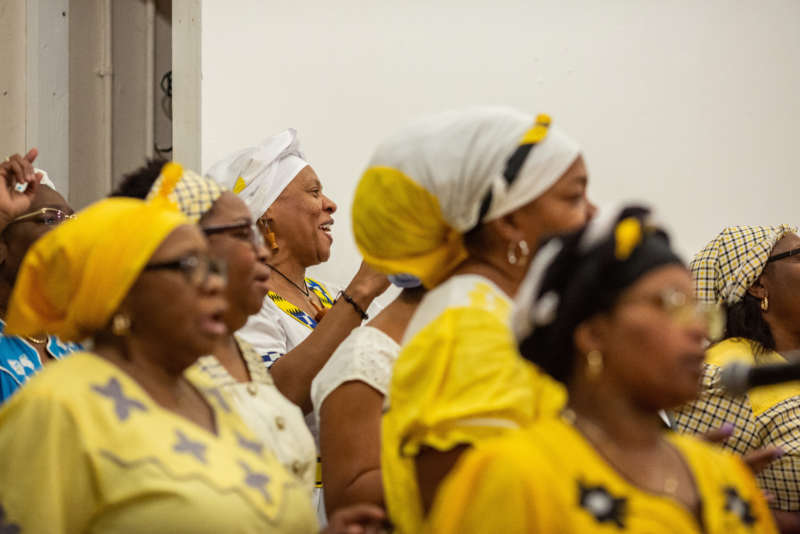 Refugees & ImmigrationThe Suppliants Project
The Suppliants Project tells the timeless story of fifty female refugees seeking asylum at a border from forced marriage and domestic violence. The play not only depicts the struggle of these women to cross into safety, but also the internal struggle within the city that ultimately receives them. Using a 2,500-year-old tragedy by Aeschylus as a catalyst for powerful gatherings and crucial conversations, The Suppliants Project engages diverse audiences in humanizing, constructive dialogue about the challenges and impact of war, migration, and seeking asylum.
-
 GenocideThe Investigation
Theater of War Productions and the Museum of Jewish Heritage, in partnership with the National Yiddish Theatre Folksbiene, present readings of scenes Peter Weiss' play The Investigation, a piece of documentary theater adapted from the Frankfurt Auschwitz Trials of 1963-1965. This project centers on guided discussions about mass murder and its lasting impact upon individuals, families, communities, and countries throughout the world. Performed by a diverse cast, including international performers from communities affected by genocide, The Investigation seeks to generate powerful dialogue across cultures and communities about the human capacity for evil, as well as the systems and hierarchies that create the conditions for unthinkable violence.
-
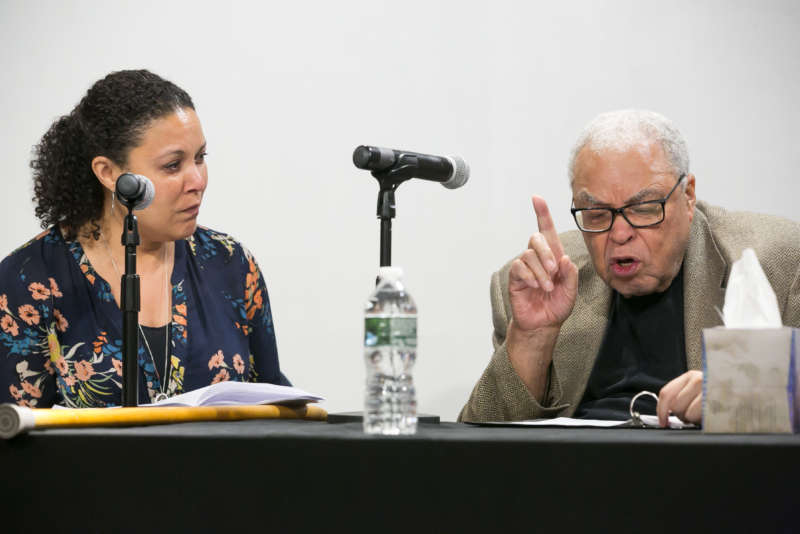 Caregiving & DeathKing Lear Project
The King Lear Project presents streamlined readings of scenes from Shakespeare’s King Lear to engage diverse audiences—including older adults, caregivers, and family members—in open, healing, constructive, discussions about the challenges of aging, dementia, and caring for friends and loved ones.