Open to Public
The Drum Major Instinct
Free Event
About the play
-
The Drum Major Instinct by Dr. Martin Luther King Jr.
On February 4, 1968, Martin Luther King, Jr. delivered this sermon at the Ebenezer Baptist Church in Atlanta, GA. In it, King speaks to his congregation about the destructive forces of “the drum major instinct,” defined as the desire to be first, to be recognized, and to receive distinction. This instinct, according to King, leads to “the most tragic expressions of man's inhumanity to man,” including white supremacy, violence, consumerism, and unjust wars. King challenges his congregants and the world to harness this “drum major instinct” for good, to be first in love, first in righteousness, first in generosity, first in justice, and above all, first in service to others.
Explore Projects
-
 Caregiving & DeathTheater of War Frontline
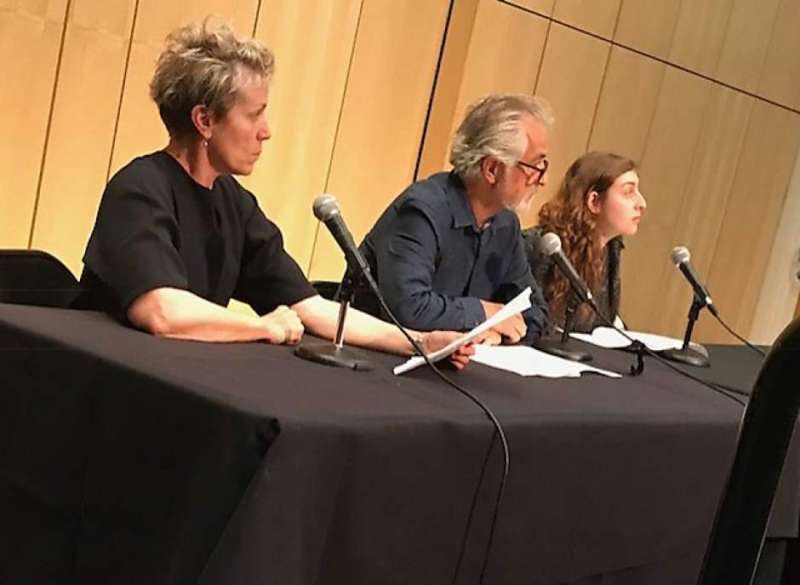
Theater of War Frontline is an innovative project—developed by Theater of War Productions, the Johns Hopkins Berman Institute of Bioethics and the Johns Hopkins Program in Arts, Humanities & Health—that presents dramatic readings by acclaimed actors of scenes from ancient Greek plays for audiences of frontline medical professionals to open up powerful dialogue about difficult subjects, fostering a sense of connection and promoting health-seeking behavior. By presenting ancient plays to doctors, nurses, EMTs, respiratory therapists, and the frontline community about emotionally-charged, ethically complex situations, Theater of War Frontline aims to create a brave space for open, candid dialogue and reflection, fostering compassion, a renewed sense of community, and positive action.
-
 RacismA REFUTATION
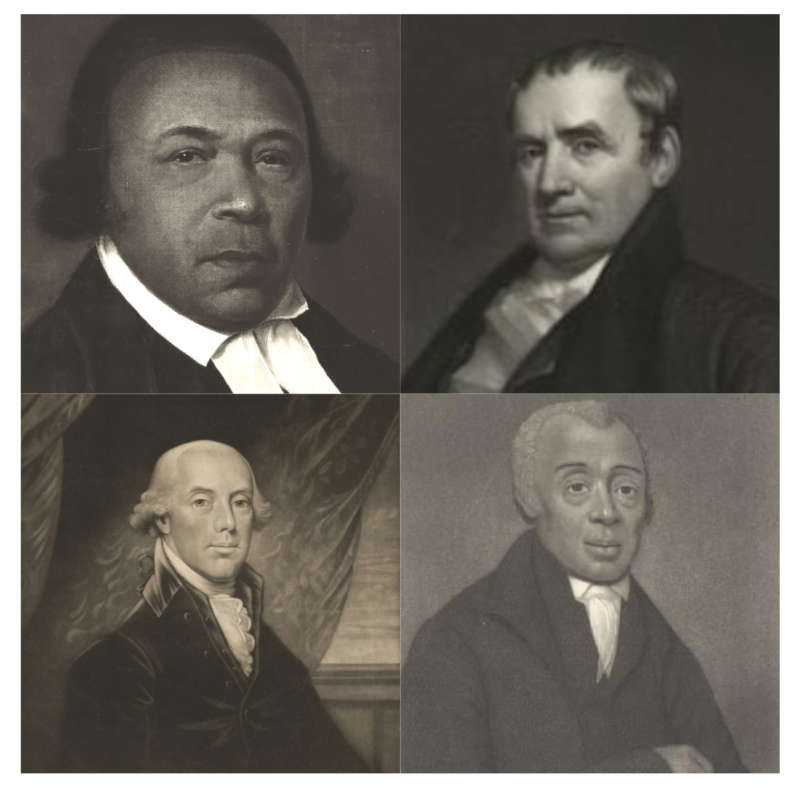
A REFUTATION presents dramatic readings by acclaimed actors of excerpts from two conflicting historic accounts of Philadelphia’s 1793 yellow fever epidemic as a catalyst for guided audience discussions about health inequities in America today, grounded in the perspectives of nurses, caregivers, and first responders.
-
 Natural DisasterThe Tohoku Project
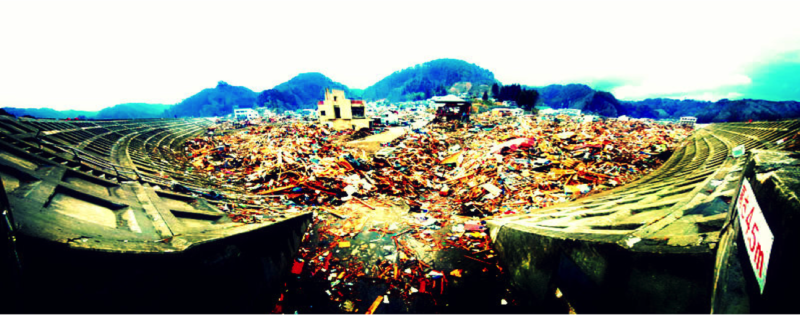
The Tohoku Project: Sumidagawa presents powerful dramatic readings by professional actors of Sumidagawa, a Noh play from the early 15th Century that timelessly depicts the unique challenges faced by parents in the wake of unimaginable disaster. Each reading is followed by the responses of community panelists, culminating in a lively, facilitated audience discussion. This interactive event promotes healthy, constructive dialogue about the lasting impact of the Tohoku disaster upon individuals, families, and communities—fostering compassion, understanding, awareness, and positive action.