Open to Public
King Lear Project at Lincoln Hospital
Tue, Oct 29.2019
About the play
-
King Lear by William Shakespeare
King Lear by William Shakespeare depicts an elderly king at the border of losing his faculties and independence, who makes a series of rash decisions regarding the future of his kingdom, fracturing his family and isolating himself from those who love him most.
Cast Members
-

Frankie Faison
-

Marjolaine Goldsmith
-

Chinaza Uche
-

Andrea Patterson
-

Daphne Rubin-Vega
Explore Projects
-
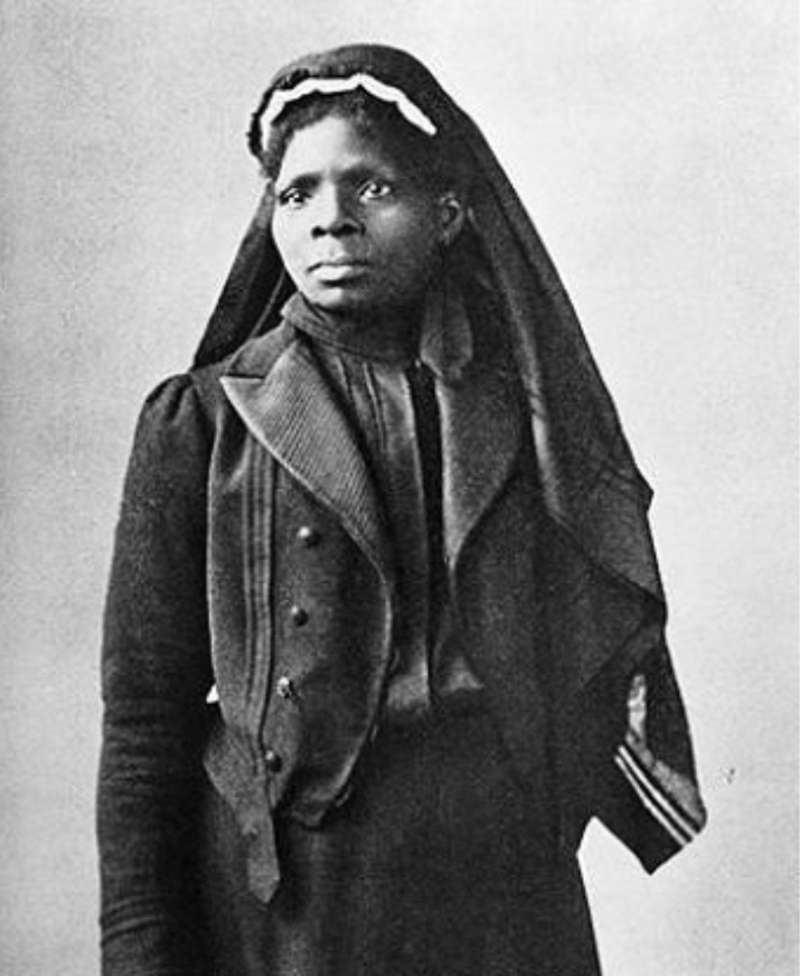 Caregiving & DeathThe Susie King Taylor Project
A dramatic reading of Susie King Taylor's memoir to help frame powerful, guided discussions about challenges faced by Nurses and Veterans.
-
 Caregiving & DeathTheater of War Frontline
Theater of War Frontline is an innovative project—developed by Theater of War Productions, the Johns Hopkins Berman Institute of Bioethics and the Johns Hopkins Program in Arts, Humanities & Health—that presents dramatic readings by acclaimed actors of scenes from ancient Greek plays for audiences of frontline medical professionals to open up powerful dialogue about difficult subjects, fostering a sense of connection and promoting health-seeking behavior. By presenting ancient plays to doctors, nurses, EMTs, respiratory therapists, and the frontline community about emotionally-charged, ethically complex situations, Theater of War Frontline aims to create a brave space for open, candid dialogue and reflection, fostering compassion, a renewed sense of community, and positive action.
-
 Consent & Sexual ViolenceTape
Tape has been developed as a sexual assault awareness and prevention training program that uses dramatic readings of Stephen Belber’s 1999 play to ignite powerful discussions about consent, sexual assault, rape, and power dynamics.