About the project
Theater of War Productions in partnership with The Brooklyn Rail present:
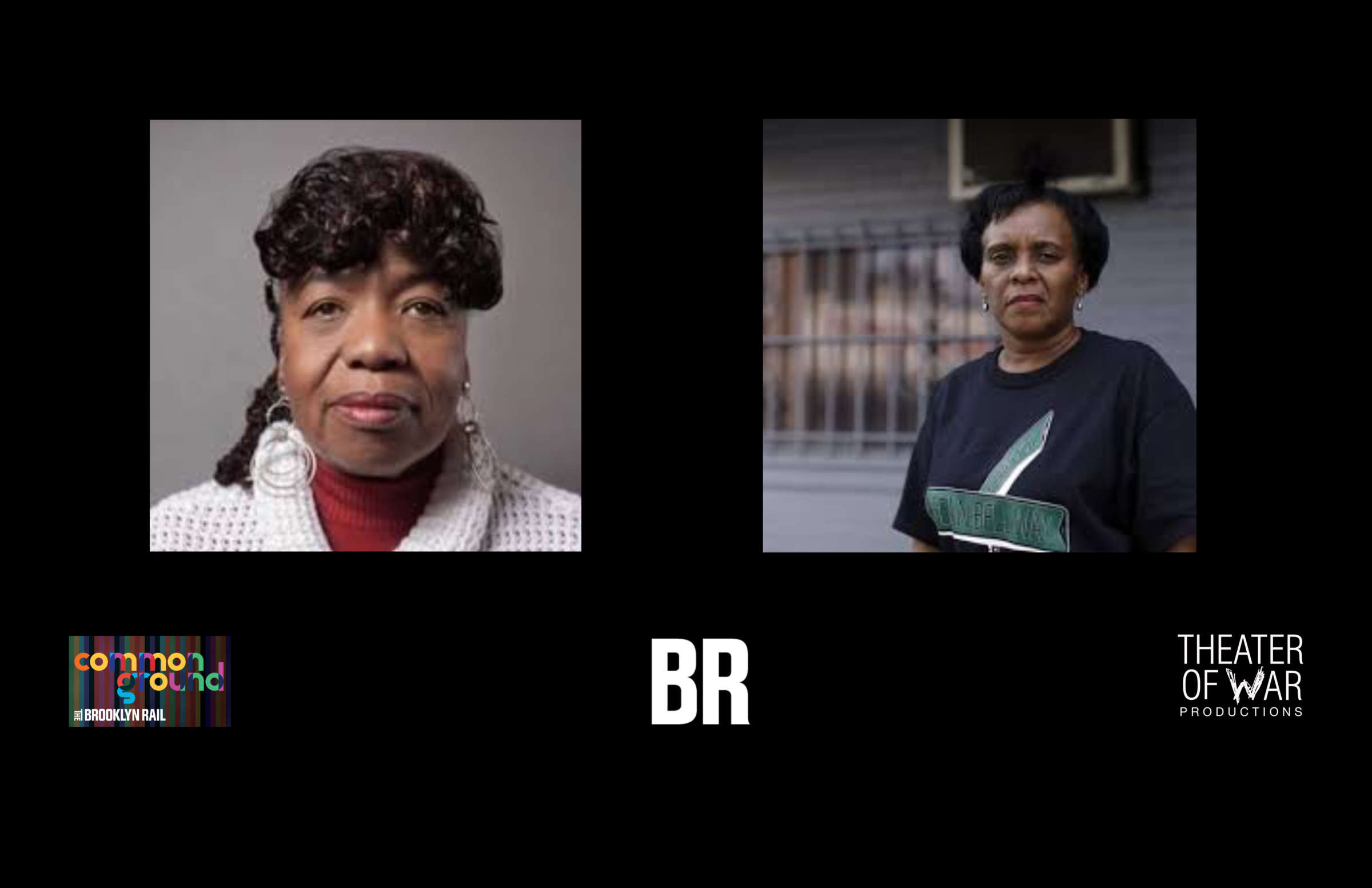
Mothers of the Movement: Gwen Carr and Valerie Bell
A conversation with Gwen Carr—mother of Eric Garner, author of This Stops Today—and Valerie Bell—mother of Sean Bell, author of Just 23—about their tireless work as Mothers of the Movement to end police violence.
Co-hosted by Dominic Dupont and Bryan Doerries of Theater of War Productions as part of The New Social Environment’s Common Ground Series. Featuring National Student Poet of the West, Manasi Garg, reading her poem "For Tamir Rice."
My son was murdered in 2014. George Floyd was murdered in 2020. Those were not the only two murders that happened. Every time that you hear another black unarmed man being killed, shot in the back, or banged up against the sidewalk, or tased to death, you say, ‘Oh my God, that’s my son again.
Mothers of The Movement: October 15th
A conversation with Gwen Carr and Valerie Bell about their tireless work as Mothers of the Movement.
On Zoom / 2020
Watch the full event from October 15th.
Explore Projects
-
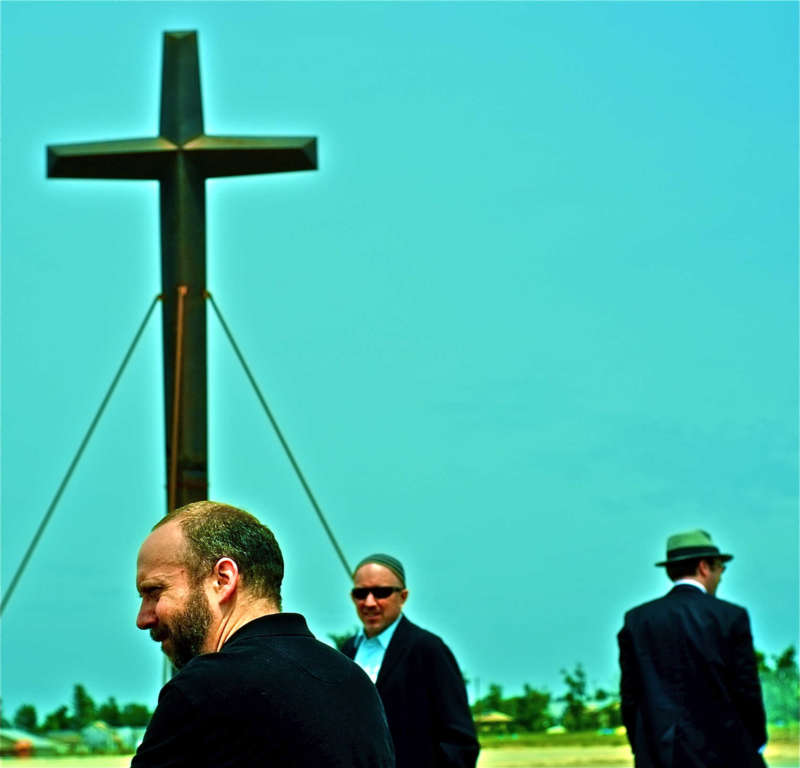 Natural DisasterBook of Job
The Book of Job Project presents dramatic readings by acclaimed actors of The Book of Job as a catalyst for powerful, guided conversations about the impact of natural and manmade disasters upon individuals, families, and communities.
-
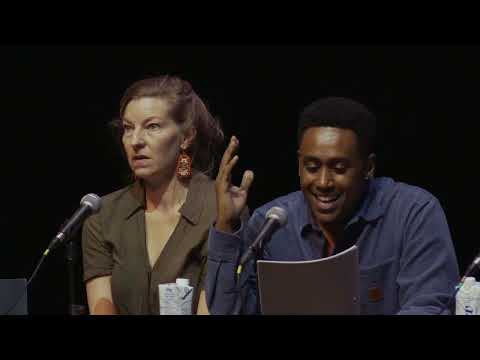 Domestic ViolencePatient and Impatient Griselda
Theater of War Productions and Margaret Atwood return to the Toronto International Festival of Authors with an exciting new collaboration exploring power and control, domestic violence, and family dynamics by way of two versions of the same story, one written by Giovanni Boccaccio in 1348 during the bubonic plague and the other by Atwood in 2020 during the Covid-19 pandemic. In Bocaccio’s version, a woman named Griselda remains in an abusive and controlling relationship, showing great patience and forbearance in the face of her husband’s sadism and cruelty. In Atwood’s version, Griselda takes matters in her own hands and, with the help of her sister, turns the tables on her husband.
This free, public event featured a live, dramatic reading of the “Patient Griselda” story from Boccaccio's Decameron by Jesse Eisenberg (The Social Network, Fleishman is in Trouble), Maev Beaty (Beau is Afraid, Mouthpiece), and Araya Mengesha (Tiny Pretty Things, Nobody). Then, in response, Margaret Atwood performed “Impatient Grisleda,” a story that is narrated to a group of humans in quarantine by an alien that looks like an octopus. The readings of both texts was followed by immediate responses by community panelists and culminated in a guided audience discussion, facilitated by Bryan Doerries (Artistic Director, Theater of War Productions).
Co-presented by Theater of War Productions and Toronto International Festival of Authors.
This hybrid presentation took place in person at the Toronto Harbourfront Centre Theatre and on Zoom Webinar on September 30, 2023.
-
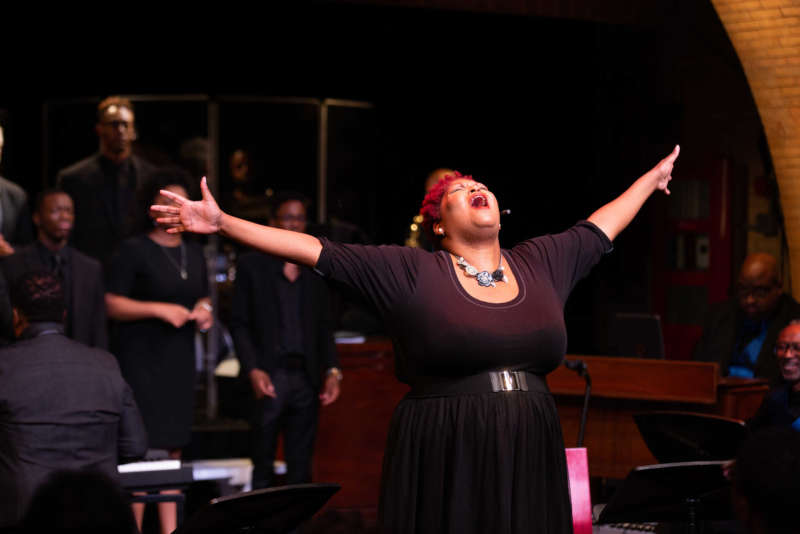 Racialized Police ViolenceAntigone in Ferguson
Antigone in Ferguson is a groundbreaking project that fuses dramatic readings by acclaimed actors of Sophocles’ Antigone with live choral music performed by a diverse choir, including activists, youth, teachers, police officers, and concerned citizens from St. Louis, Missouri and New York City, culminating in powerful, healing discussions about racialized violence, police brutality, systemic oppression, gender-based violence, health inequality, and social justice. Antigone in Ferguson was conceived in the wake of Michael Brown’s death in 2014, through a collaboration between Theater of War Productions and community members from Ferguson, MO, and premiered at Normandy High School, Michael Brown’s alma mater, in September of 2016.