Open to Public
University of Virginia
Fri, Feb 25.2011
About the plays
-
Women of Trachis by Sophocles
Sophocles’ Women of Trachis, tells the story of Heracles—the strongest of all Greek heroes—who has been unintentionally poisoned by his wife, Deineira, after she discovers that he has fallen in love with a younger woman. In an attempt to win back her husband’s affection mistakes a lethal toxin, which was given to her by a dying centaur years ago for a love potion. Deineira sends him a robe dipped in the liquid. When Heracles puts on the robe it immediately eats through his skin, muscle tissue, down through his bones to the marrow. Heracles falls to the ground, clutching his sides, crying out in pain, calling for his teenage son, Hyllus, to come to his aid and to help him put an end to the seemingly endless waves of pain.
-
Philoctetes by Sophocles
Sophocles’ Philoctetes tells the story of decorated warrior who is abandoned on a deserted island because of mysterious chronic illness that he contracts on the way to the Trojan War. Nine years later, the Greeks learn from an oracle that in order to win the war they must rescue him from the island. When they finally come for him, the wounded warrior must overcome nine long years of festering resentment and shame in order to accept help from the very men who betrayed him.
Explore Projects
-
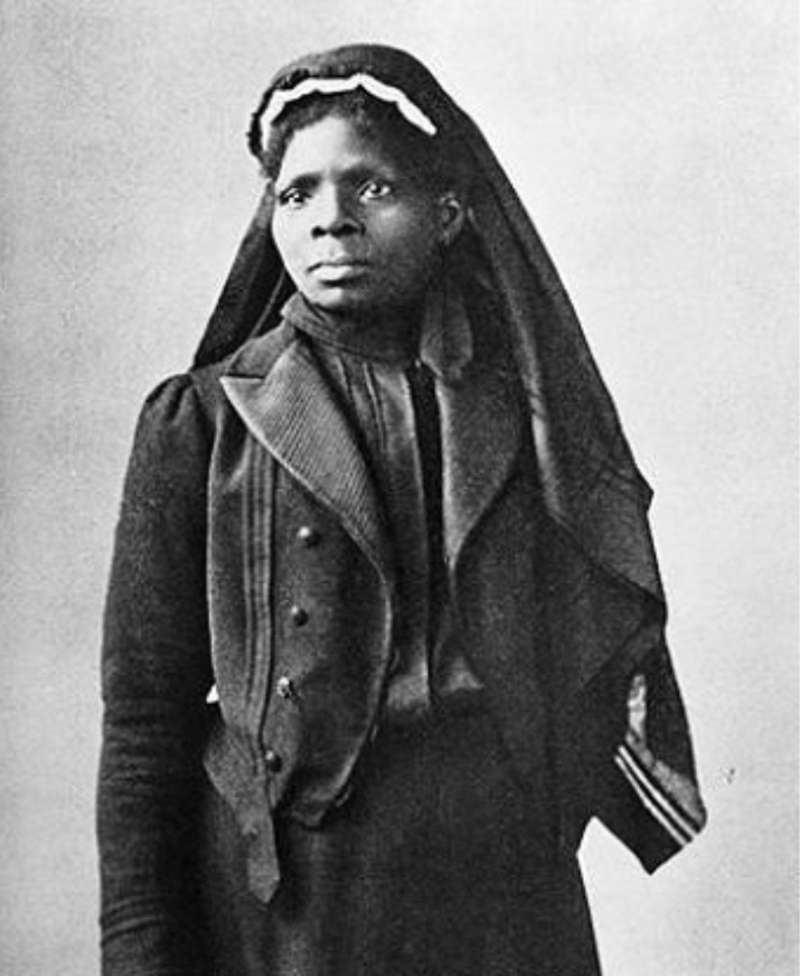 Caregiving & DeathThe Susie King Taylor Project
A dramatic reading of Susie King Taylor's memoir to help frame powerful, guided discussions about challenges faced by Nurses and Veterans.
-
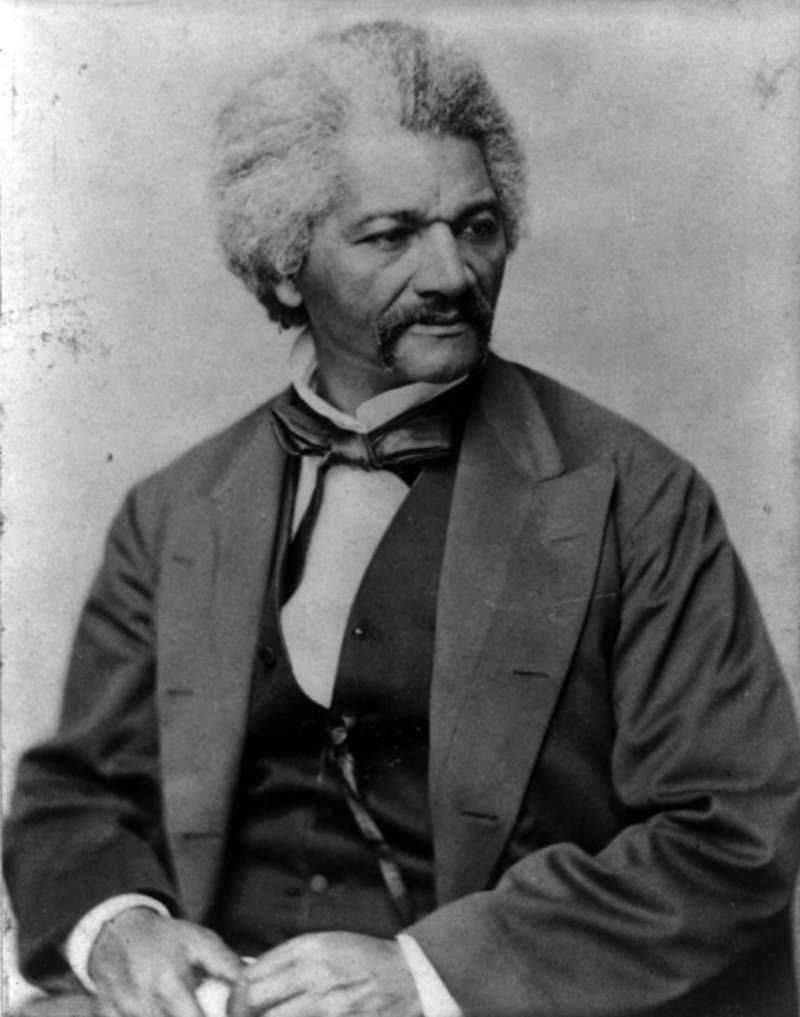 RacismFrederick Douglass
Frederick Douglass is a project that presents dramatic readings of Douglass' speeches by professional actors as a catalyst for powerful dialogue about racism, inequality, civil rights, education, and the legal system with the objective of fostering compassion, understanding, and positive action.
-
 RacismA REFUTATION
A REFUTATION presents dramatic readings by acclaimed actors of excerpts from two conflicting historic accounts of Philadelphia’s 1793 yellow fever epidemic as a catalyst for guided audience discussions about health inequities in America today, grounded in the perspectives of nurses, caregivers, and first responders.