Open to Public
Theater of War: Philoctetes
Theater of War presents readings of Sophocles’ Philoctetes, an ancient Greek play about a warrior who abandoned by his friends on a desolate island, as a catalyst for facilitated discussions about visible and invisible wounds. For the past twenty years, this groundbreaking project has opened up powerful dialogue in a variety of settings, including homeless shelters, military bases, hospitals, prisons, housing projects, and cultural spaces throughout the country and the world.
Featuring performances by Frankie Faison (The Wire, Coming to America), Marjolaine Goldsmith (Company Manager, Theater of War Productions), and Bryan Doerries (Artistic Director, Theater of War Productions).
Cosponsored by the Department of Classics, the Seeger Center for Hellenic Studies, and the Humanities Council.
Directed, translated, and facilitated by Bryan Doerries.
About the play
-
Philoctetes by Sophocles
Sophocles’ Philoctetes tells the story of decorated warrior who is abandoned on a deserted island because of mysterious chronic illness that he contracts on the way to the Trojan War. Nine years later, the Greeks learn from an oracle that in order to win the war they must rescue him from the island. When they finally come for him, the wounded warrior must overcome nine long years of festering resentment and shame in order to accept help from the very men who betrayed him.
Cast Members
-

Marjolaine Goldsmith
-

Frankie Faison
Explore Projects
-
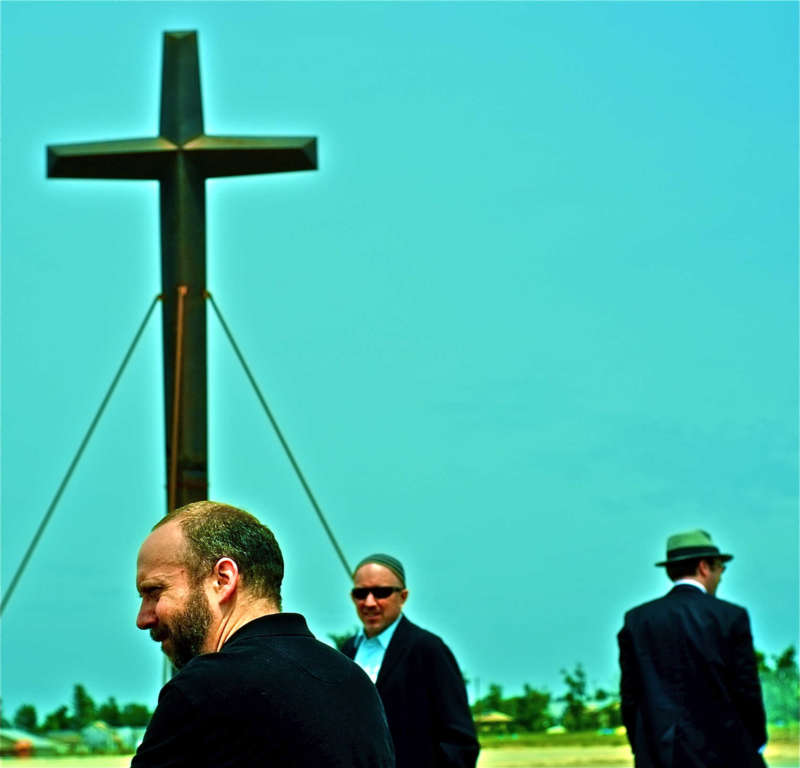 Natural DisasterBook of Job
The Book of Job Project presents dramatic readings by acclaimed actors of The Book of Job as a catalyst for powerful, guided conversations about the impact of natural and manmade disasters upon individuals, families, and communities.
-
 Addiction & Substance AbuseAddiction Performance Project
Designed to raise awareness about opiate addiction and alcohol abuse, the project is intended to promote dialogue about helping those who are struggling with addiction.
-
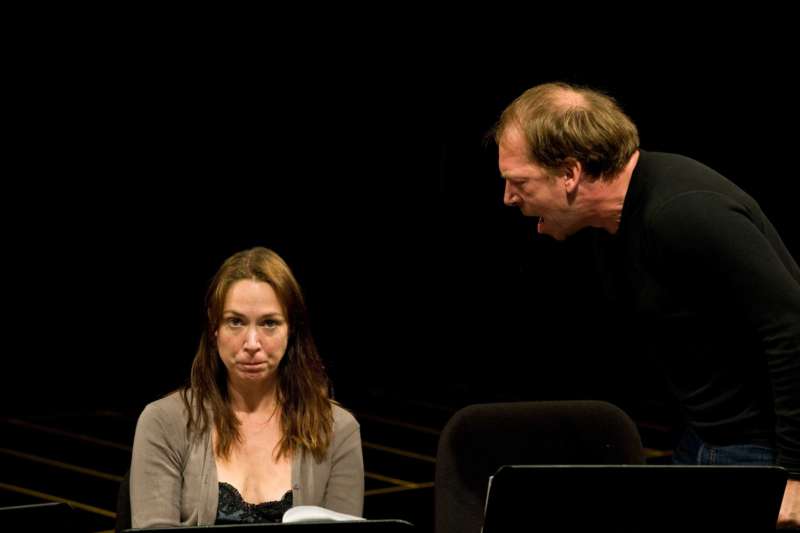 Domestic ViolenceMedea
Medea timelessly depicts how scorned passion can lead to revenge and, sometimes, unthinkable violence. This project, which premiered at the Brooklyn Academy of Music in June 2016, delves into under-discussed mental health issues that affect women and their families.