Invitation Only
Theater of War: DOC
This event has ended.
View upcoming events.
Mon, Jun 23.2025
About the play
-
Ajax by Sophocles
Sophocles’ Ajax tells the story of a fierce warrior who is passed over for recognition by his command after losing his cousin Achilles in battle during the Trojan War. Feeling betrayed, Ajax attempts to murder his superior officers, fails, and—ultimately—takes his own life. The play tells the story of the events leading up to Ajax’ suicide, as well as the story of his wife and troops’ attempt to intervene before it's too late. The play also depicts the devastating impact of Ajax’ suicide upon his wife, son, brother, troops, and chain of command.
Cast Members
-

Chad Coleman
-

Daphne Rubin-Vega
-

Equiano Mosieri
Explore Projects
-
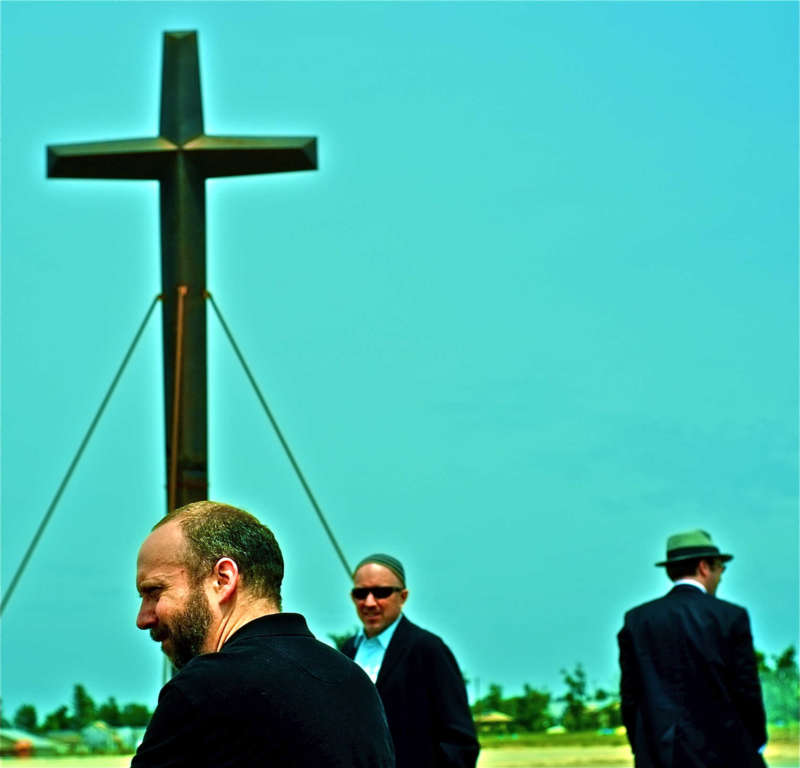 Natural DisasterBook of Job
The Book of Job Project presents dramatic readings by acclaimed actors of The Book of Job as a catalyst for powerful, guided conversations about the impact of natural and manmade disasters upon individuals, families, and communities.
-
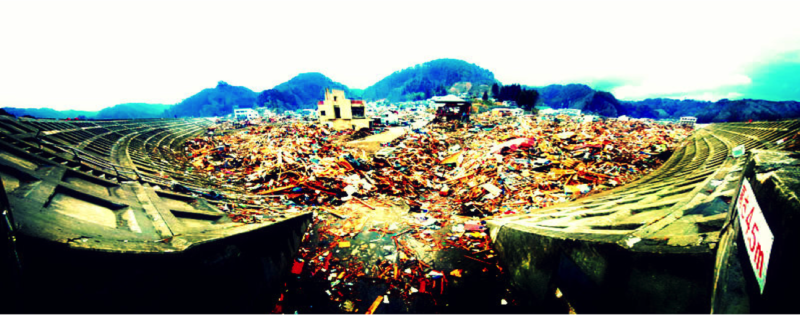 Natural DisasterThe Tohoku Project
The Tohoku Project: Sumidagawa presents powerful dramatic readings by professional actors of Sumidagawa, a Noh play from the early 15th Century that timelessly depicts the unique challenges faced by parents in the wake of unimaginable disaster. Each reading is followed by the responses of community panelists, culminating in a lively, facilitated audience discussion. This interactive event promotes healthy, constructive dialogue about the lasting impact of the Tohoku disaster upon individuals, families, and communities—fostering compassion, understanding, awareness, and positive action.
-
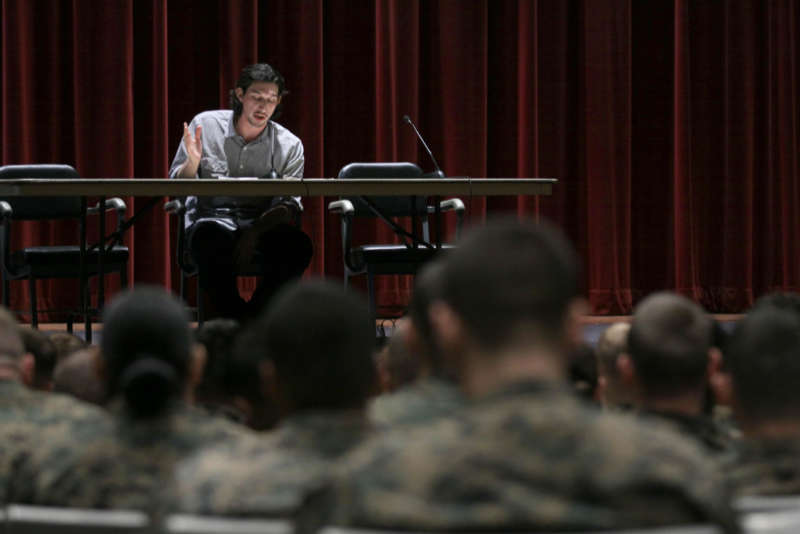 Addiction & Substance AbuseRum and Vodka
This project presents a one-man Irish play about a 24-year-old whose life is coming apart, due to drinking, in order to provoke discussions about alcoholism and addiction within diverse communities.