Open to Public
Theater of Law at Georgetown Law
Translated and Directed by Bryan Doerries
A Collaboration with The Forum on Law, Culture, & Society at NYU School of Law
Wed, Nov 14.2018
About the play
-
Eumenides by Aeschylus
Aeschylus’ Eumenides dramatizes the trial of Orestes, a young man who is tormented by the avenging Furies after killing his mother Clytemnestra in retaliation for his father Agamemnon’s death. Orestes seeks refuge in the temple of Apollo, who brings him to Athens and defends him before a jury of twelve Athenians. The goddess Athena hears arguments from both sides, including the forceful prosecution of the Furies, who maintain that the social order of the city will unravel if the matricide goes unpunished. Ultimately, after the jury is hung, Athena casts the deciding vote, acquitting Orestes of his crime and, after doing so, she must also find a way to appease the avenging Furies, so that their violent and destructive anger is not unleashed upon the city.
Cast Members
-

Obi Abili
-

Elizabeth Marvel
-

Linda Powell
-

David Strathairn
Explore Projects
-
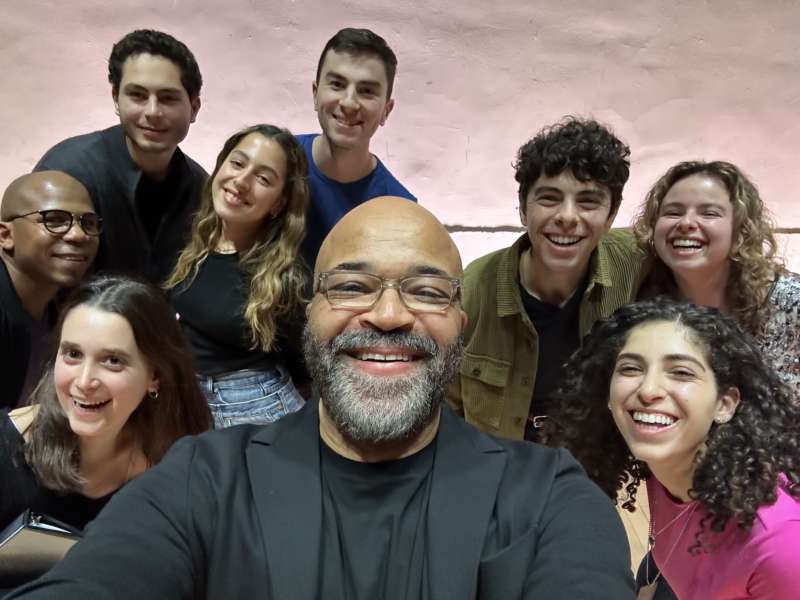 War & Mental HealthTheater of War: Hector, Andromache, and the Death of Astyanax
Theater of War: Hector, Andromache, and the Death of Astyanax presents live, dramatic readings of selections from Homer’s Iliad, Book VI and scenes from The Trojan Women by Euripides—featuring acclaimed actors and a Chorus of students, from a variety of backgrounds, whose lives have been impacted by war—to help frame powerful, healing dialogue about the human cost of war, centered on the suffering of children and civilians. The project uses ancient texts that explore and depict the dehumanization of war to create a vocabulary for openly discussing challenging and divisive subjects, with the aim of generating compassion, empathy, moral repair, understanding, and positive action.
-
 Addiction & Substance AbuseAddiction Performance Project
Designed to raise awareness about opiate addiction and alcohol abuse, the project is intended to promote dialogue about helping those who are struggling with addiction.
-
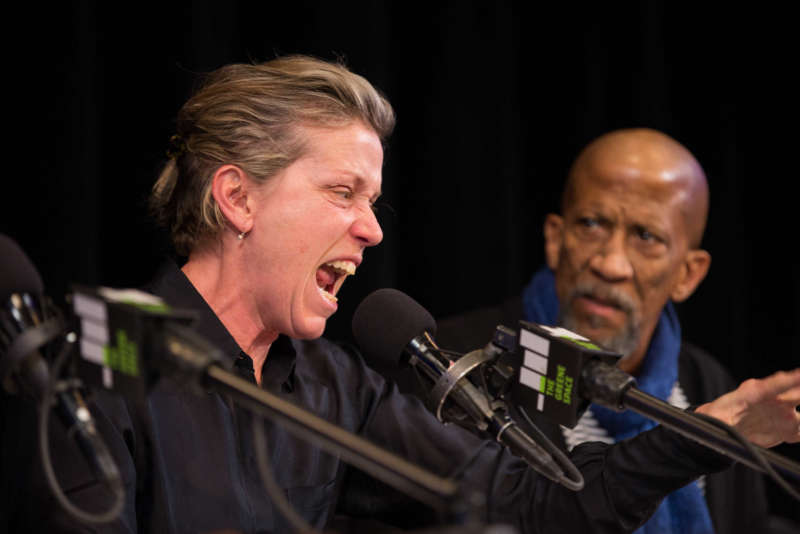 War & Mental HealthThe Tecmessa Project
The Tecmessa Project presents readings of Sophocles’s Ajax, an ancient play about the visible and invisible wounds of war, as the catalyst for discussions focusing on the unique challenges faced by military family members, including couples, children, caregivers, and communities. This project is designed to promote understanding, compassion, and positive action.