About the project
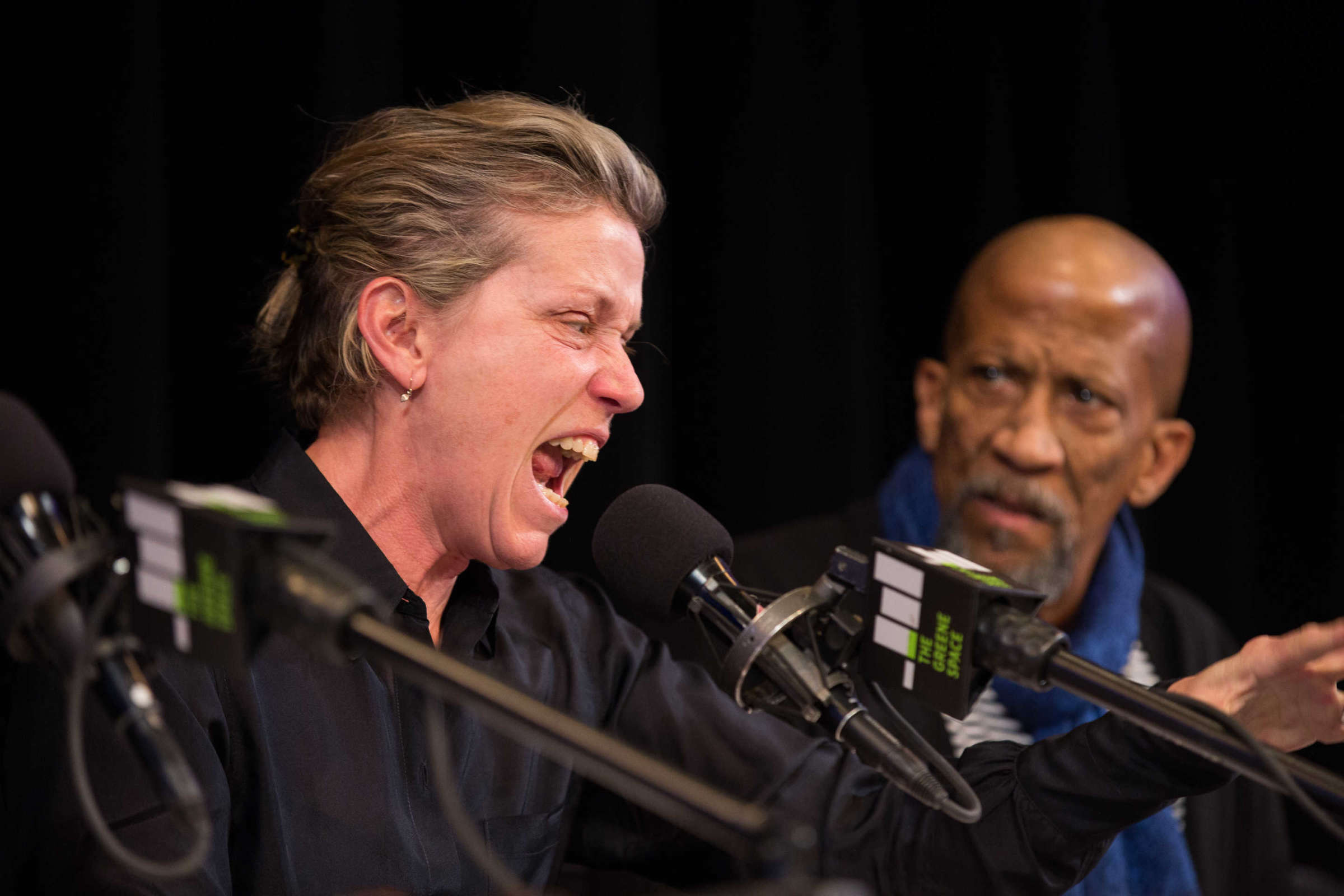
The Tecmessa Project
Dramatic Reading of Ajax, by Sophocles
Translated and Directed by Bryan Doerries
The Tecmessa Project presents readings of Sophocles’s Ajax, an ancient play about the visible and invisible wounds of war, as the catalyst for discussions focusing on the unique challenges faced by military family members, including couples, children, caregivers, and communities. This project is designed to promote understanding, compassion, and positive action.
I am the proud mother of a Marine and the wife of a Navy SEAL. My husband went away four times to war and—just like Ajax—he came back dragging invisible bodies into our house. The war came home with him. And to quote from the play, ‘Our home is a slaughterhouse.’
About the play
-
Ajax by Sophocles
Sophocles’ Ajax tells the story of a fierce warrior who is passed over for recognition by his command after losing his cousin Achilles in battle during the Trojan War. Feeling betrayed, Ajax attempts to murder his superior officers, fails, and—ultimately—takes his own life. The play tells the story of the events leading up to Ajax’ suicide, as well as the story of his wife and troops’ attempt to intervene before it's too late. The play also depicts the devastating impact of Ajax’ suicide upon his wife, son, brother, troops, and chain of command.
Highlights
The Tecmessa Project
The Greene Space WNYC & WQXR / 2018
Explore Projects
-
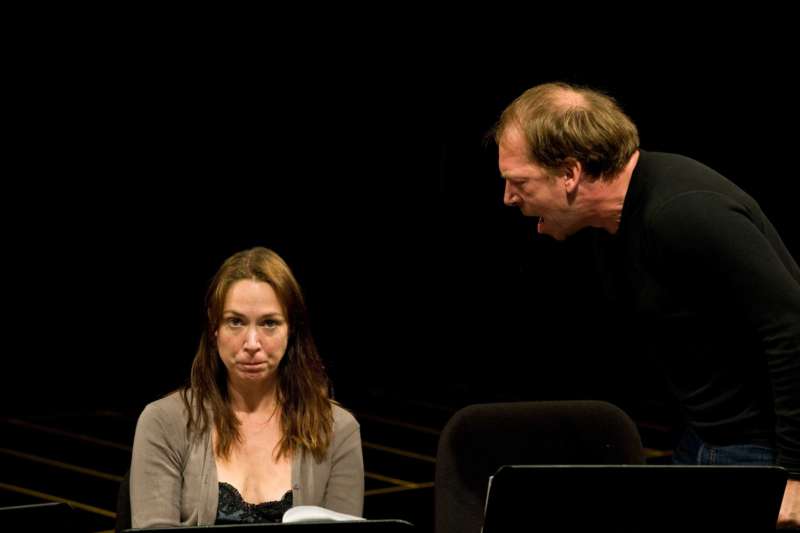 Domestic ViolenceMedea
Medea timelessly depicts how scorned passion can lead to revenge and, sometimes, unthinkable violence. This project, which premiered at the Brooklyn Academy of Music in June 2016, delves into under-discussed mental health issues that affect women and their families.
-
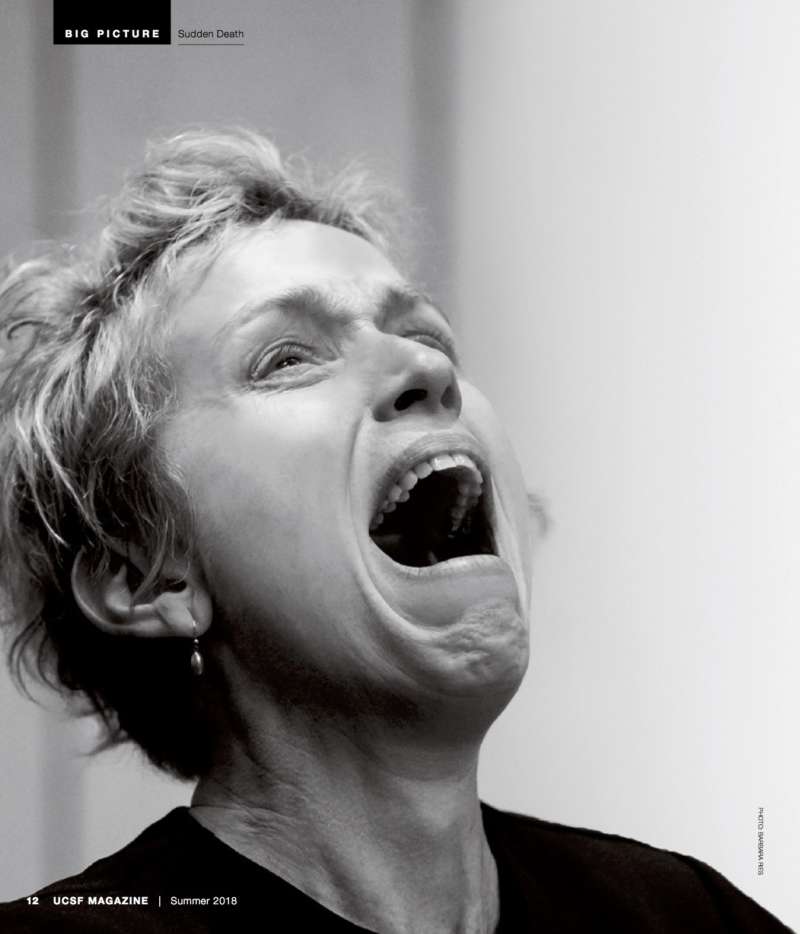 Caregiving & DeathEnd of Life
End of Life presents readings of ancient Greek plays in public settings and medical communities as a catalyst for facilitated discussions about challenges faced by patients, families, and health professionals today around end of life care. This unique, participatory event is intended to promote powerful, open discussion among diverse communities - public and professional - fostering compassion, cooperation, and understanding about living with chronic suffering and the mortality we all share.
-
 Pandemic & Climate CrisisPoetry for the Pandemic
Using poetry as a catalyst for an Intergenerational performance and discussion during the Covid-19 pandemic.