Open to Public
The Tohoku Project
Directed and Adapted by Bryan Doerries
Facilitated by Setsu Hanasaki
Translated by Nao Suzuki
Developed in collaboration with the Global Mental Health Program at Columbia University and Setagaya Public Theatre
Sat, Apr 19.2014
About the play
-
Sumidagawa by Kanze Motomasa
A Noh play from the early 15th Century in which a grief-stricken woman searches frantically for her son who has been taken by slave traders. As a ferryman transports her across the Sumida river, she notices a memorial service on the opposite bank, and discovers that it is for her son.
Explore Projects
-
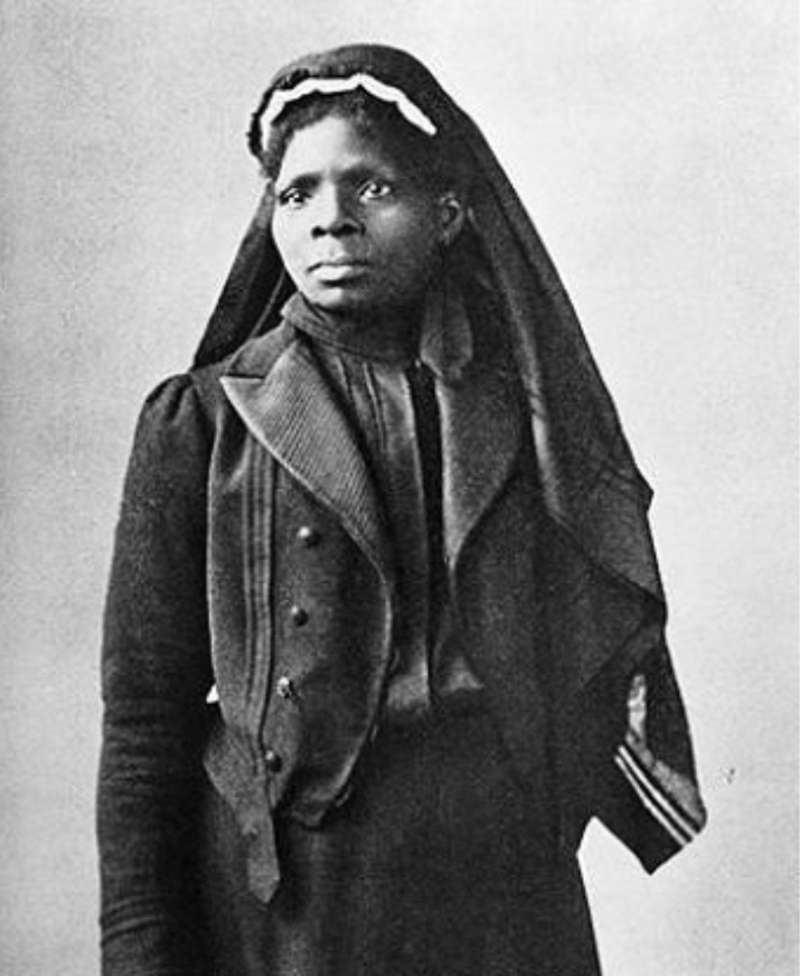 Caregiving & DeathThe Susie King Taylor Project
A dramatic reading of Susie King Taylor's memoir to help frame powerful, guided discussions about challenges faced by Nurses and Veterans.
-
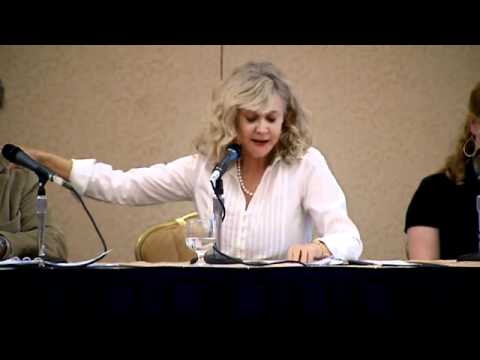 Addiction & Substance AbuseAddiction Performance Project
Designed to raise awareness about opiate addiction and alcohol abuse, the project is intended to promote dialogue about helping those who are struggling with addiction.
-
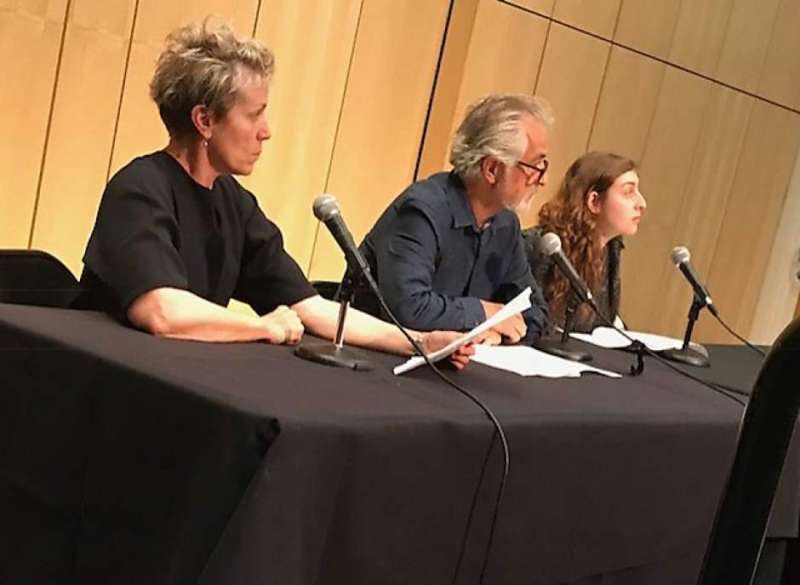 Caregiving & DeathTheater of War Frontline
Theater of War Frontline is an innovative project—developed by Theater of War Productions, the Johns Hopkins Berman Institute of Bioethics and the Johns Hopkins Program in Arts, Humanities & Health—that presents dramatic readings by acclaimed actors of scenes from ancient Greek plays for audiences of frontline medical professionals to open up powerful dialogue about difficult subjects, fostering a sense of connection and promoting health-seeking behavior. By presenting ancient plays to doctors, nurses, EMTs, respiratory therapists, and the frontline community about emotionally-charged, ethically complex situations, Theater of War Frontline aims to create a brave space for open, candid dialogue and reflection, fostering compassion, a renewed sense of community, and positive action.