Open to Public
Rum and Vodka / Camp Shelby
Mon, Sep 30.2013
About the play
-
Rum and Vodka by Conor Mcpherson
Rum and Vodka tells the story of a 24-year-old man living in Dublin, whose life is falling apart, in large part due to his drinking. But drinking, he believes, is the only way he can cope with his shame, anger, and an overwhelming feeling of being trapped in a life he did not choose for himself. The story follows the young man on a three-day bender, during which time he loses his job, cheats on his wife, and nearly destroys his family.
Explore Projects
-
 War & Mental HealthThe Tecmessa Project
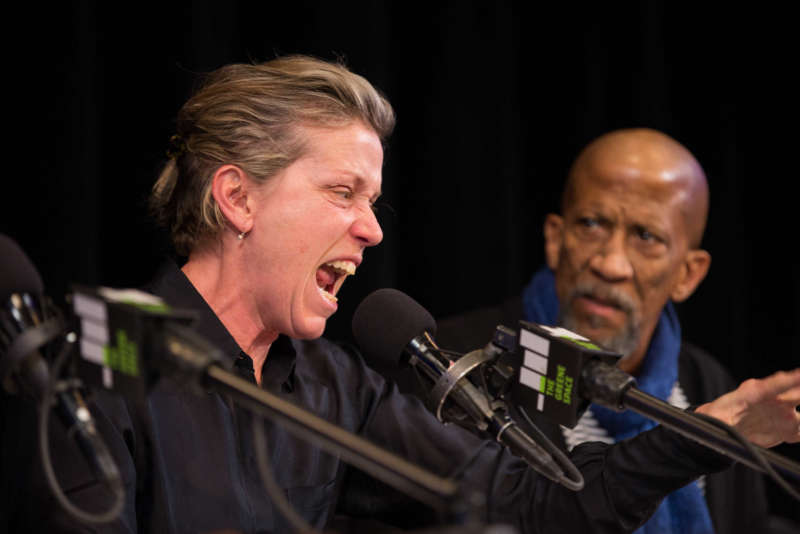
The Tecmessa Project presents readings of Sophocles’s Ajax, an ancient play about the visible and invisible wounds of war, as the catalyst for discussions focusing on the unique challenges faced by military family members, including couples, children, caregivers, and communities. This project is designed to promote understanding, compassion, and positive action.
-
 Addiction & Substance AbuseAddiction Performance Project
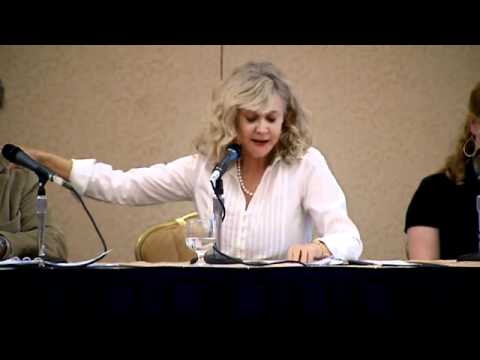
Designed to raise awareness about opiate addiction and alcohol abuse, the project is intended to promote dialogue about helping those who are struggling with addiction.
-
 GenocideThe Investigation
Theater of War Productions and the Museum of Jewish Heritage, in partnership with the National Yiddish Theatre Folksbiene, present readings of scenes Peter Weiss' play The Investigation, a piece of documentary theater adapted from the Frankfurt Auschwitz Trials of 1963-1965. This project centers on guided discussions about mass murder and its lasting impact upon individuals, families, communities, and countries throughout the world. Performed by a diverse cast, including international performers from communities affected by genocide, The Investigation seeks to generate powerful dialogue across cultures and communities about the human capacity for evil, as well as the systems and hierarchies that create the conditions for unthinkable violence.