Open to Public
Job in Joplin / College Heights Christian Church
Sun, May 20.2012
About the play
-
The Book of Job by Translated by Stephen Mitchell
The Book of Job is an ancient Hebrew poem that timelessly explores how humans behave when bad things happen to good people. At the beginning of the poem, Job, a righteous and prosperous man, is tested by God. In the span of one day, he loses everything—his children, his crops, his livestock, his house, and his health. Convinced of his own innocence, Job sits silently in the dirt behind what's left of his home and asks God for an explanation. But God doesn't answer. Job is visited by a group of friends who, at first, sympathize with his suffering, but when Job begins to question why he has been singled out and made to suffer, they condemn his behavior and accuse him of having done something to deserve his terrible fate. In spite of these accusations, Job clings to the belief that he has done nothing wrong and continues to shake his fists at the sky in righteous indignation. At the very end of the poem, God reveals himself to Job as a disembodied voice within a whirlwind and rebukes him for presuming to understand His will. Job covers his mouth and falls silent, and—in an enigmatic ending—God restores his health and prosperity, doubling his children, his livestock, and his crops.
Explore Projects
-
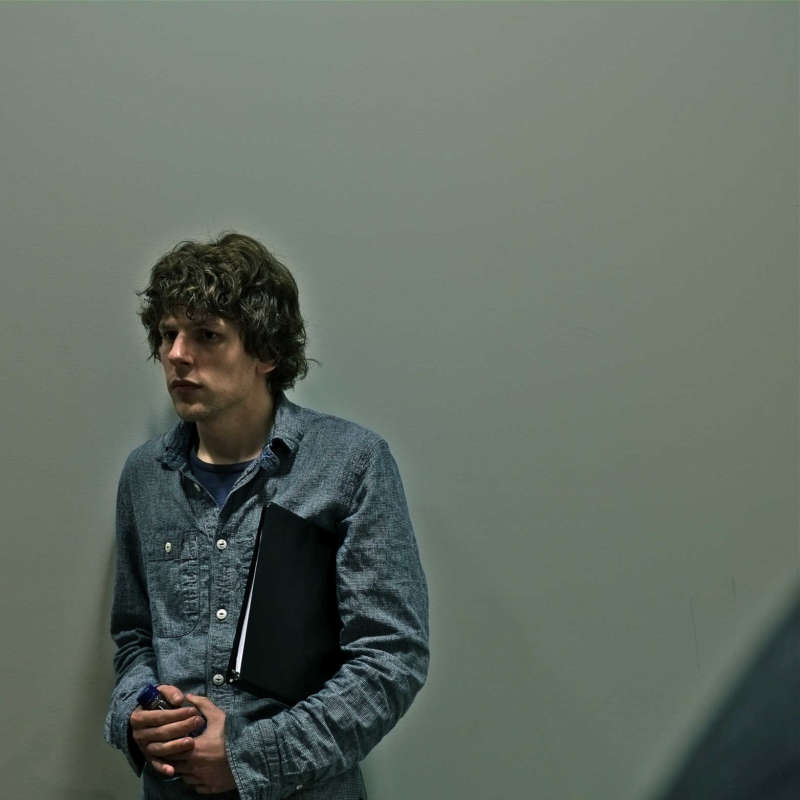 Addiction & Substance AbuseThe Dionysus Project
The Dionysus Project is an innovative public health project that presents readings of scenes from Euripides' Bacchae, an ancient Greek play about the destructive power of intoxication, as a catalyst for town hall discussions about the impact of substance abuse and addiction upon individuals, families, and communities. The project uses an ancient Greek tragedy, written nearly 2500 years ago, to engage audiences in crucial discussions about the timelessness of the human struggle with substance abuse and addiction, as well as resources and solutions that communities can utilize today.
-
 Caregiving & DeathThe Nurse Antigone
A groundbreaking project by and for nurses, The Nurse Antigone presents dramatic readings of Sophocles’ Antigone on Zoom—featuring professional actors and a chorus of frontline nurses—to help frame powerful, guided discussions about the unique challenges faced by nurses before, during, and after the COVID-19 pandemic.
-
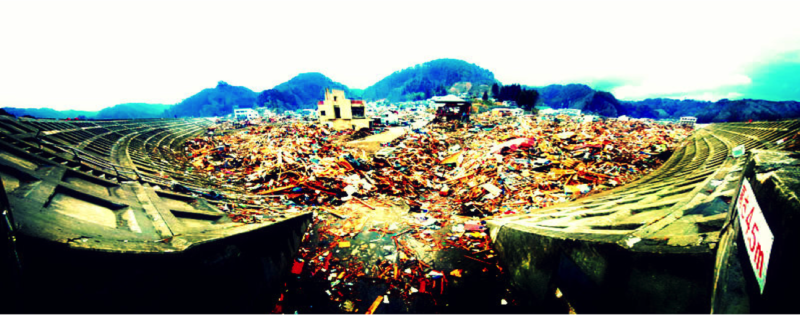 Natural DisasterThe Tohoku Project
The Tohoku Project: Sumidagawa presents powerful dramatic readings by professional actors of Sumidagawa, a Noh play from the early 15th Century that timelessly depicts the unique challenges faced by parents in the wake of unimaginable disaster. Each reading is followed by the responses of community panelists, culminating in a lively, facilitated audience discussion. This interactive event promotes healthy, constructive dialogue about the lasting impact of the Tohoku disaster upon individuals, families, and communities—fostering compassion, understanding, awareness, and positive action.