Open to Public
Cambridge Health Alliance
Mon, Oct 04.2010
About the plays
-
Women of Trachis by Sophocles
Sophocles’ Women of Trachis, tells the story of Heracles—the strongest of all Greek heroes—who has been unintentionally poisoned by his wife, Deineira, after she discovers that he has fallen in love with a younger woman. In an attempt to win back her husband’s affection mistakes a lethal toxin, which was given to her by a dying centaur years ago for a love potion. Deineira sends him a robe dipped in the liquid. When Heracles puts on the robe it immediately eats through his skin, muscle tissue, down through his bones to the marrow. Heracles falls to the ground, clutching his sides, crying out in pain, calling for his teenage son, Hyllus, to come to his aid and to help him put an end to the seemingly endless waves of pain.
-
Philoctetes by Sophocles
Sophocles’ Philoctetes tells the story of decorated warrior who is abandoned on a deserted island because of mysterious chronic illness that he contracts on the way to the Trojan War. Nine years later, the Greeks learn from an oracle that in order to win the war they must rescue him from the island. When they finally come for him, the wounded warrior must overcome nine long years of festering resentment and shame in order to accept help from the very men who betrayed him.
Explore Projects
-
 War & Mental HealthTheater of War
Rooted in discussions about the invisible and visible wounds of war, the company’s hallmark project is designed to increase awareness of psychological health issues, disseminate information on available resources, and foster greater community cohesion.
-
 Addiction & Substance AbuseAddiction Performance Project
Designed to raise awareness about opiate addiction and alcohol abuse, the project is intended to promote dialogue about helping those who are struggling with addiction.
-
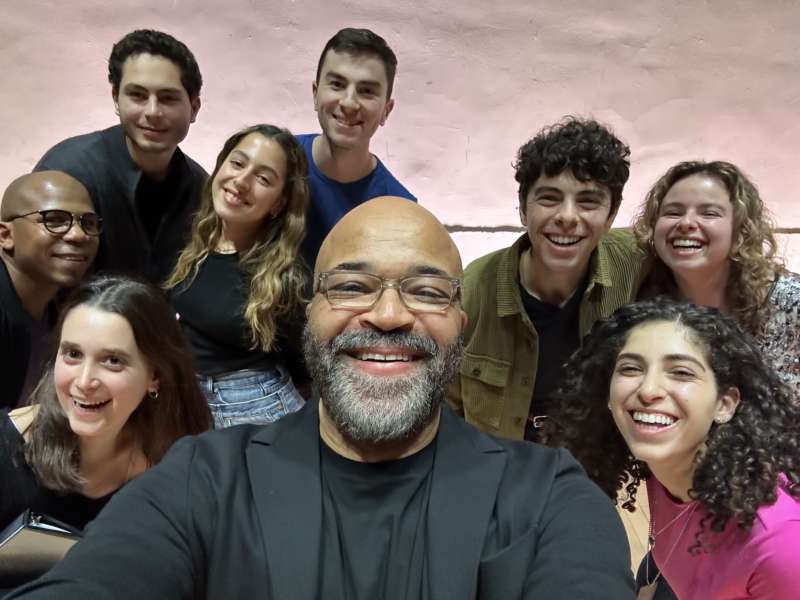 War & Mental HealthTheater of War: Hector, Andromache, and the Death of Astyanax
Theater of War: Hector, Andromache, and the Death of Astyanax presents live, dramatic readings of selections from Homer’s Iliad, Book VI and scenes from The Trojan Women by Euripides—featuring acclaimed actors and a Chorus of students, from a variety of backgrounds, whose lives have been impacted by war—to help frame powerful, healing dialogue about the human cost of war, centered on the suffering of children and civilians. The project uses ancient texts that explore and depict the dehumanization of war to create a vocabulary for openly discussing challenging and divisive subjects, with the aim of generating compassion, empathy, moral repair, understanding, and positive action.