Open to Public / New York City Public Artist In Residence
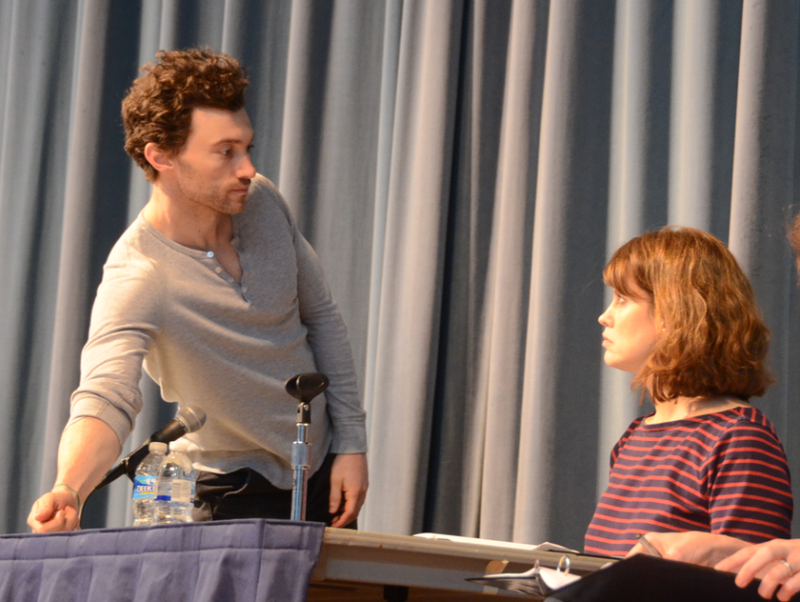
Prometheus in Prison at The Greene Space WNYC
Wed, Jun 13.2018
About the play
-
Prometheus Bound by Aeschylus
Aeschylus’ Prometheus Bound is a play about a god who is imprisoned for stealing fire from the gods and giving it to humans. The incarcerated Prometheus admits that he willfully committed a crime and is sentenced for his actions. He is placed in extreme isolation at the end of the earth for the rest of time. Over the course of the play, Prometheus is visited by a number of characters, including friends and family. Each of these characters attempts to impart advice upon Prometheus about how he can lessen his sentence and increase his chances of being released. Increasingly enraged by each exchange, Prometheus, over the course of the play, shuts down, refusing to accept help or advice from anyone, and spends the final moments of the play shaking his fist at the sky, willfully provoking a far worse punishment than isolation.
Explore Projects
-
 Domestic ViolenceDomestic Violence Project
Addressing the impact of domestic violence on individuals, families, and communities, the Domestic Violence Project premiered in Maine in April 2013 and will be touring all five boroughs of New York City under the current PAIR residency.
-
 Political ViolenceActs of Violence
Acts of Violence presents scenes from Seneca's Thyestes, a Roman tragedy that was written during the gruesome reign of Nero, as a catalyst for town hall discussions about the impact of political violence upon individuals, families, caregivers, health and human rights advocates, communities, and nations.
-
 Addiction & Substance AbuseRum and Vodka
This project presents a one-man Irish play about a 24-year-old whose life is coming apart, due to drinking, in order to provoke discussions about alcoholism and addiction within diverse communities.