Open to Public
The Drum Major Instinct in Staten Island
Sun, Oct 20.2019
About the play
-
The Drum Major Instinct by Dr. Martin Luther King Jr.
On February 4, 1968, Martin Luther King, Jr. delivered this sermon at the Ebenezer Baptist Church in Atlanta, GA. In it, King speaks to his congregation about the destructive forces of “the drum major instinct,” defined as the desire to be first, to be recognized, and to receive distinction. This instinct, according to King, leads to “the most tragic expressions of man's inhumanity to man,” including white supremacy, violence, consumerism, and unjust wars. King challenges his congregants and the world to harness this “drum major instinct” for good, to be first in love, first in righteousness, first in generosity, first in justice, and above all, first in service to others.
Cast Members
-
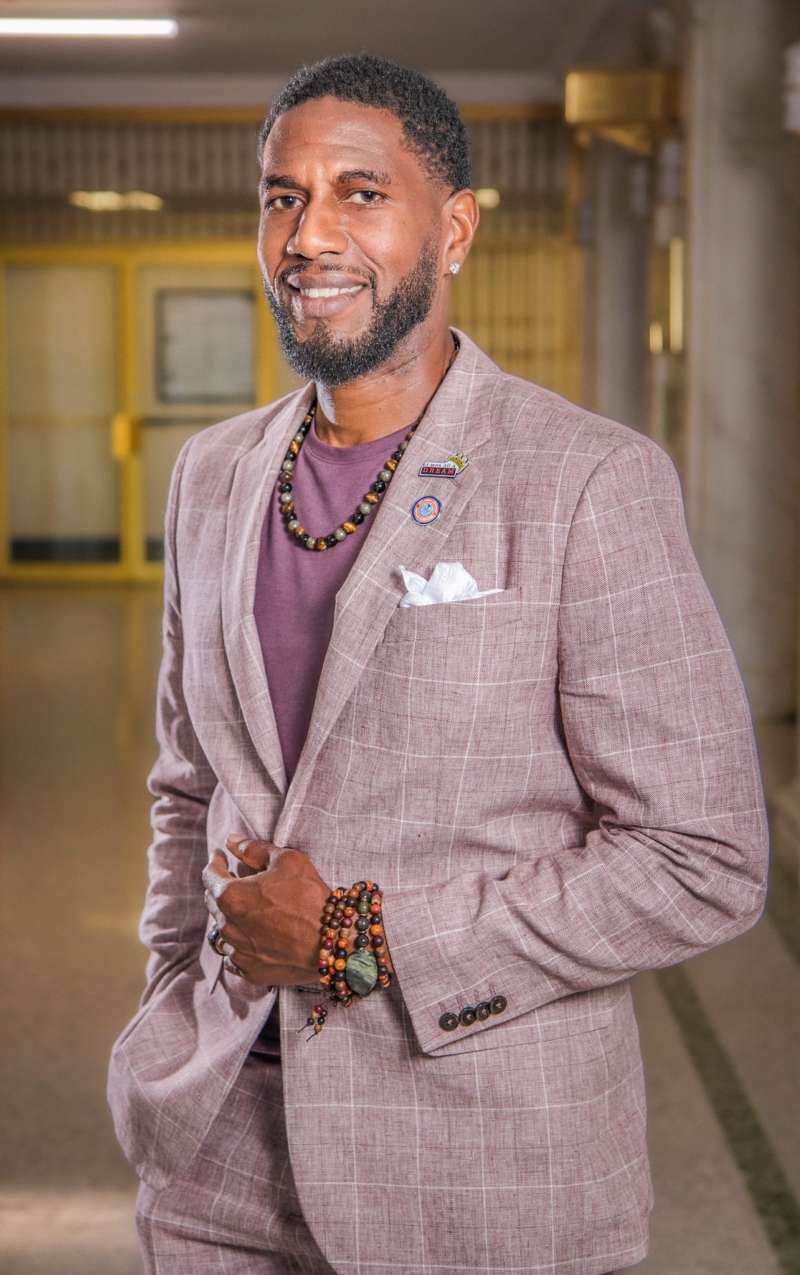
Jumaane Williams
Explore Projects
-
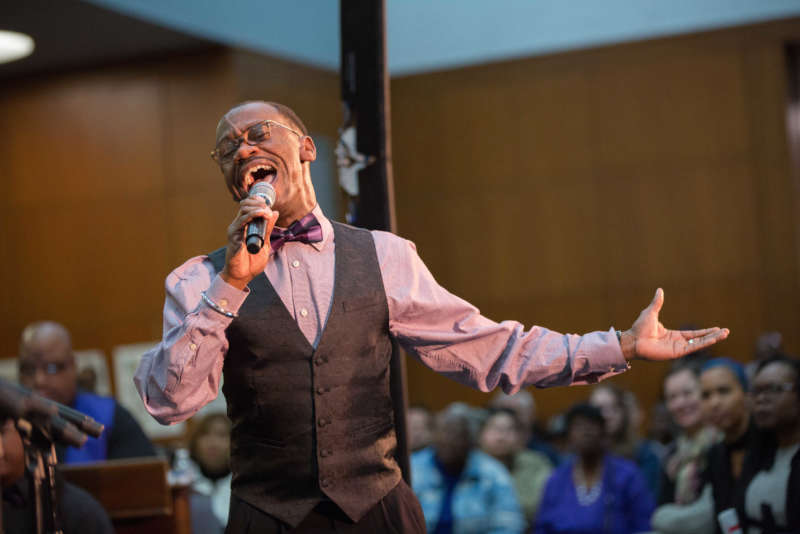 RacismThe Drum Major Instinct
Commissioned by BRIC, The Drum Major Instinct engages audiences in dialogue about racism and inequality. The performance features a dramatization of Dr. Martin Luther King Jr.’s final sermon, embodied by prominent actors and supported by a large gospel choir, composed of singers, activists, police officers, and musicians from St. Louis, MO, and Brooklyn, NY.
-
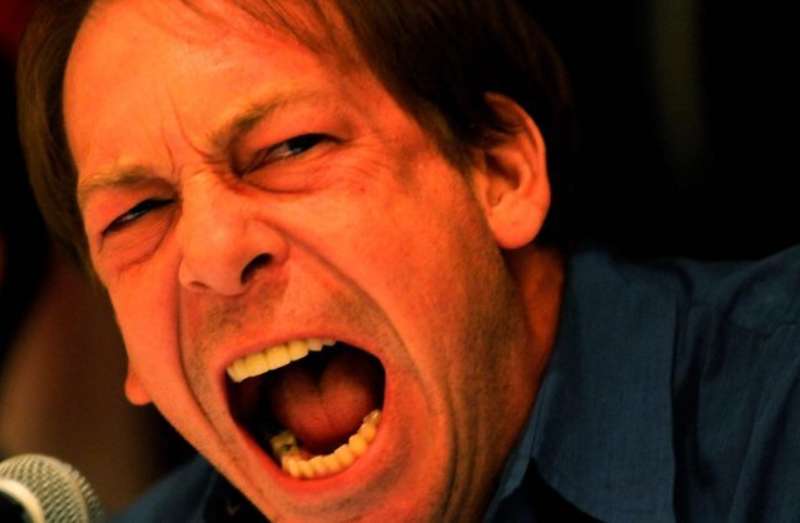 Political ViolenceActs of Violence
Acts of Violence presents scenes from Seneca's Thyestes, a Roman tragedy that was written during the gruesome reign of Nero, as a catalyst for town hall discussions about the impact of political violence upon individuals, families, caregivers, health and human rights advocates, communities, and nations.
-
 Pandemic & Climate CrisisPoetry for the Pandemic
Using poetry as a catalyst for an Intergenerational performance and discussion during the Covid-19 pandemic.