Open to Public
The Drum Major Instinct in East New York
Mon, Jan 20.2020
About the play
-
The Drum Major Instinct by Dr. Martin Luther King Jr.
On February 4, 1968, Martin Luther King, Jr. delivered this sermon at the Ebenezer Baptist Church in Atlanta, GA. In it, King speaks to his congregation about the destructive forces of “the drum major instinct,” defined as the desire to be first, to be recognized, and to receive distinction. This instinct, according to King, leads to “the most tragic expressions of man's inhumanity to man,” including white supremacy, violence, consumerism, and unjust wars. King challenges his congregants and the world to harness this “drum major instinct” for good, to be first in love, first in righteousness, first in generosity, first in justice, and above all, first in service to others.
Cast Members
-
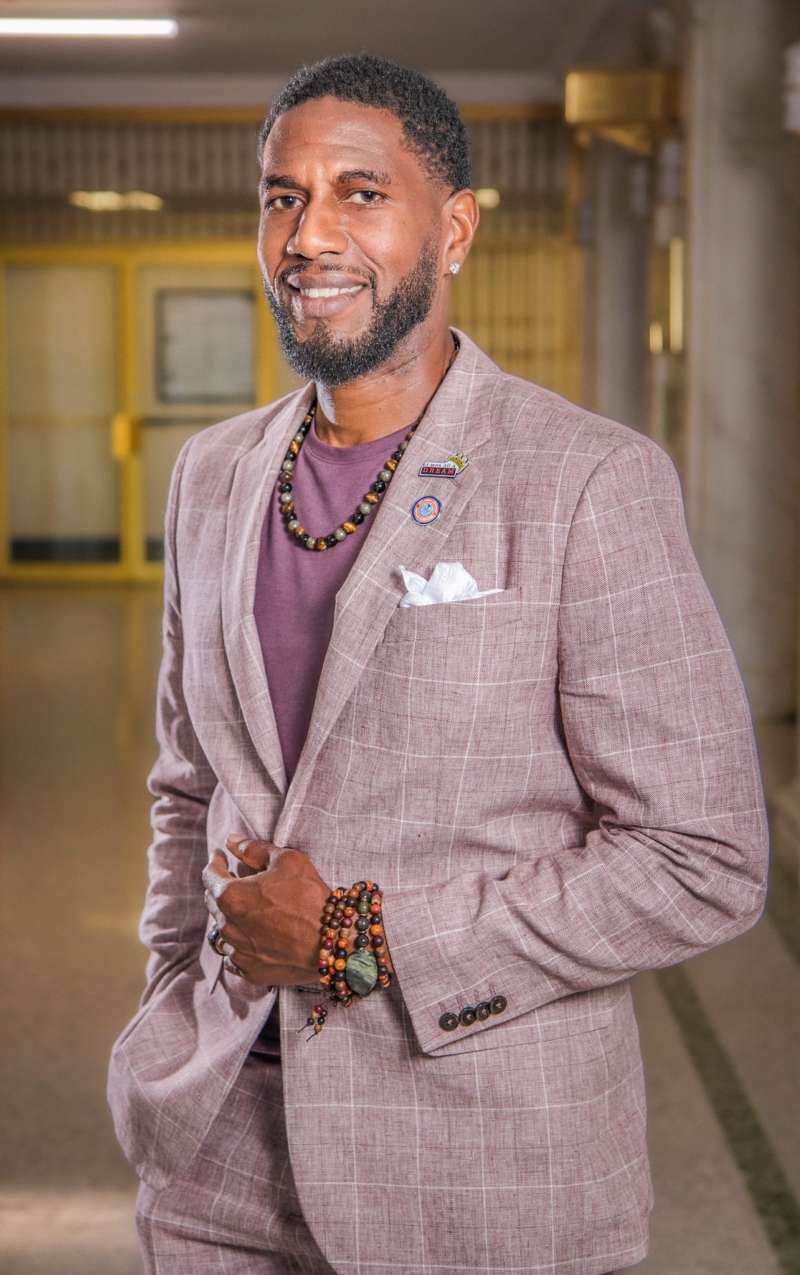
Jumaane Williams
Event Partners


Explore Projects
-
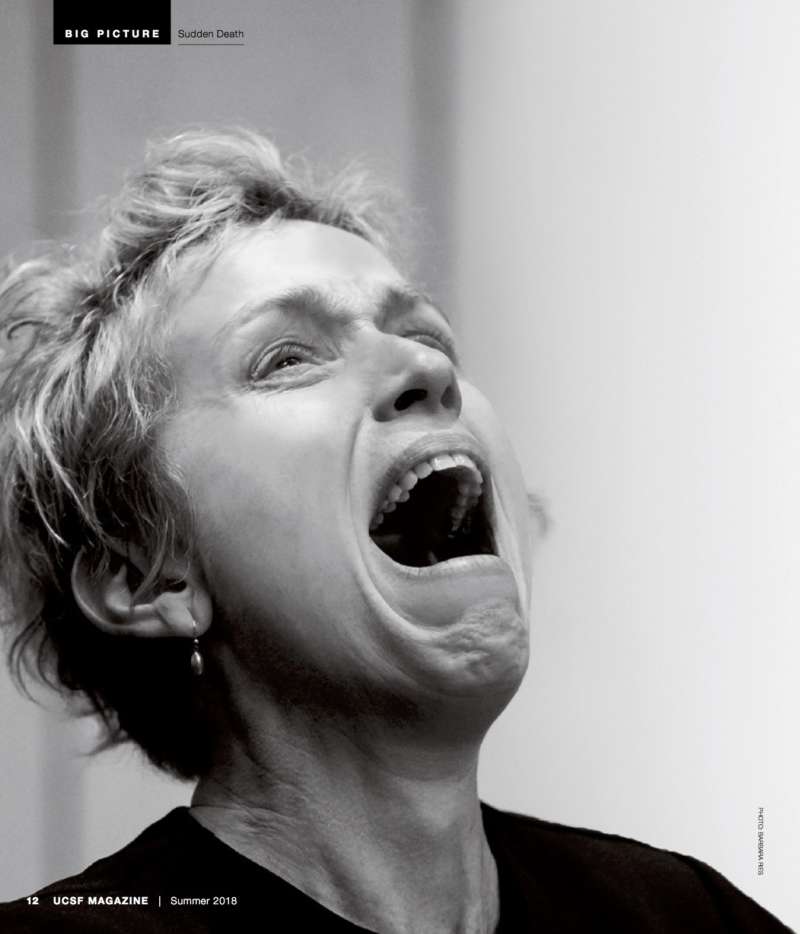 Caregiving & DeathEnd of Life
End of Life presents readings of ancient Greek plays in public settings and medical communities as a catalyst for facilitated discussions about challenges faced by patients, families, and health professionals today around end of life care. This unique, participatory event is intended to promote powerful, open discussion among diverse communities - public and professional - fostering compassion, cooperation, and understanding about living with chronic suffering and the mortality we all share.
-
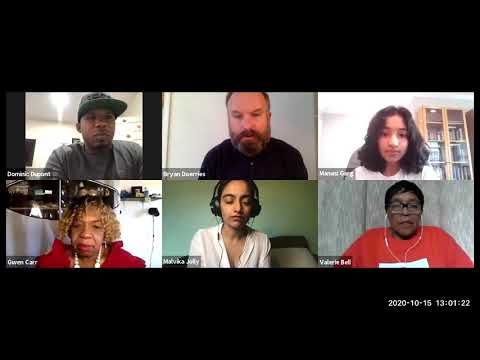 RacismMothers of The Movement
A conversation with Gwen Carr—mother of Eric Garner, author of This Stops Today—and Valerie Bell—mother of Sean Bell, author of Just 23—about their tireless work as Mothers of the Movement to end police violence.
-
 GenocideThe Investigation
Theater of War Productions and the Museum of Jewish Heritage, in partnership with the National Yiddish Theatre Folksbiene, present readings of scenes Peter Weiss' play The Investigation, a piece of documentary theater adapted from the Frankfurt Auschwitz Trials of 1963-1965. This project centers on guided discussions about mass murder and its lasting impact upon individuals, families, communities, and countries throughout the world. Performed by a diverse cast, including international performers from communities affected by genocide, The Investigation seeks to generate powerful dialogue across cultures and communities about the human capacity for evil, as well as the systems and hierarchies that create the conditions for unthinkable violence.