Open to Public
The Drum Major Instinct
Free Event
About the play
-
The Drum Major Instinct by Dr. Martin Luther King Jr.
On February 4, 1968, Martin Luther King, Jr. delivered this sermon at the Ebenezer Baptist Church in Atlanta, GA. In it, King speaks to his congregation about the destructive forces of “the drum major instinct,” defined as the desire to be first, to be recognized, and to receive distinction. This instinct, according to King, leads to “the most tragic expressions of man's inhumanity to man,” including white supremacy, violence, consumerism, and unjust wars. King challenges his congregants and the world to harness this “drum major instinct” for good, to be first in love, first in righteousness, first in generosity, first in justice, and above all, first in service to others.
Explore Projects
-
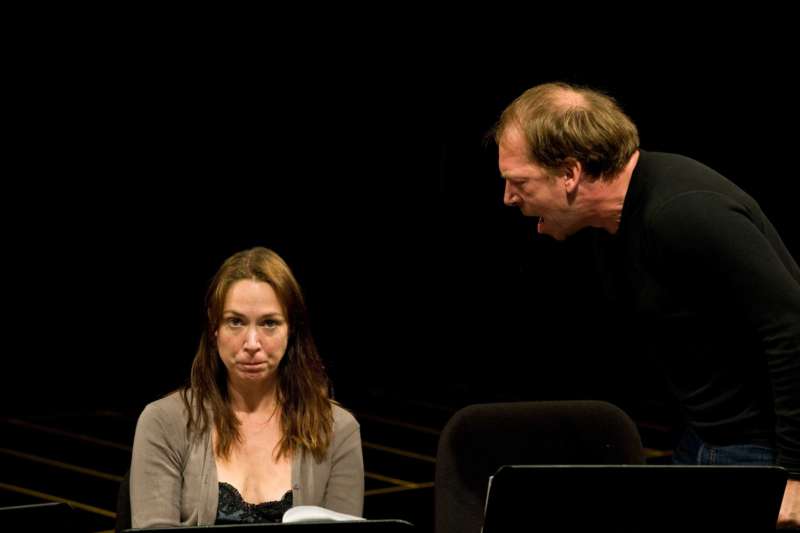 Domestic ViolenceMedea
Medea timelessly depicts how scorned passion can lead to revenge and, sometimes, unthinkable violence. This project, which premiered at the Brooklyn Academy of Music in June 2016, delves into under-discussed mental health issues that affect women and their families.
-
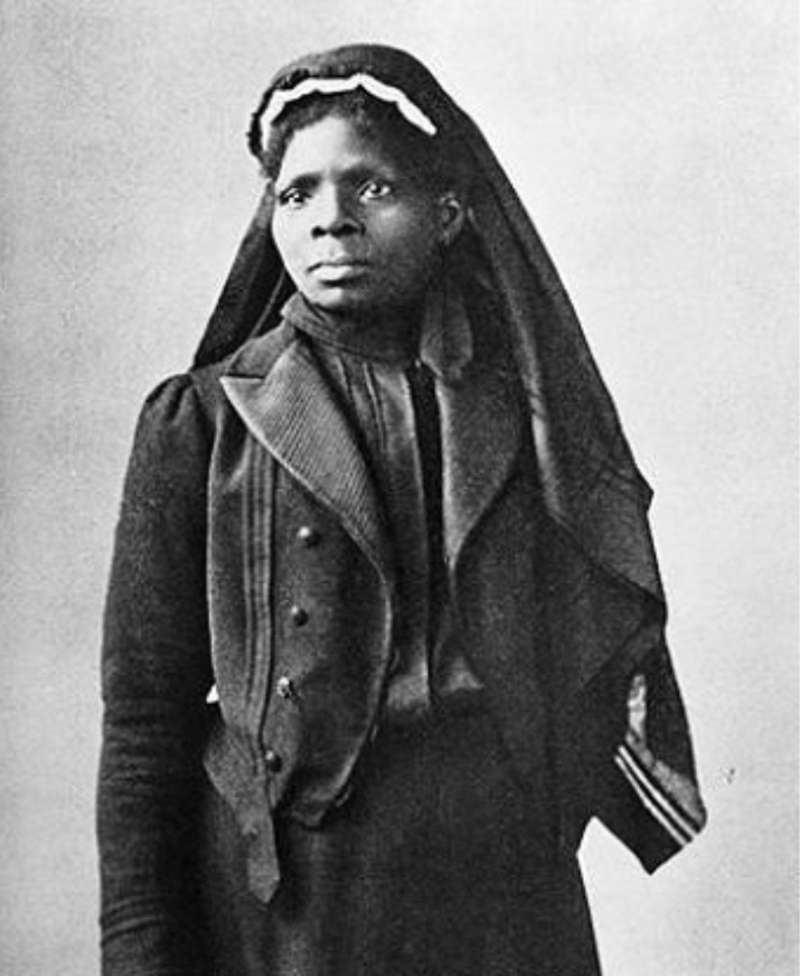 Caregiving & DeathThe Susie King Taylor Project
A dramatic reading of Susie King Taylor's memoir to help frame powerful, guided discussions about challenges faced by Nurses and Veterans.
-
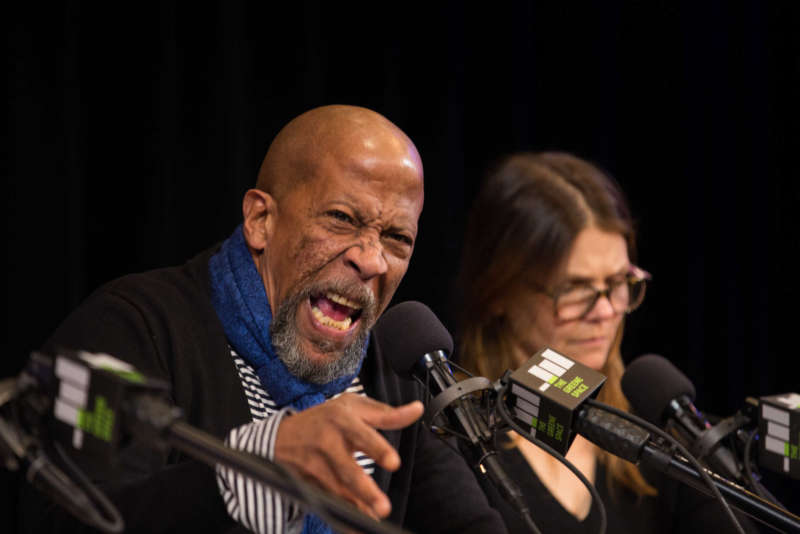 War & Mental HealthTheater of War
Rooted in discussions about the invisible and visible wounds of war, the company’s hallmark project is designed to increase awareness of psychological health issues, disseminate information on available resources, and foster greater community cohesion.