Open to Public
The Dionysus Project / Perry County Public Library
Thu, May 03.2012
About the play
-
The Bacchae by Euripides
First produced in 405 BC, Euripides' Bacchae tells the ancient story of the arrival of Dionysus, the god of wine and intoxication, in Greece. When Dionysus comes to the city of Thebes, he liberates the people from their homes, sending the citizens - dancing and drinking - into the hills. A young king, named Pentheus, tries to subdue the revelry and restore order to his city, waging an all-out war against the god. But when Pentheus first tastes the drug that has ravaged his city, he too succumbs to its power and is murdered by his own mother, in a deranged state of intoxication.
Explore Projects
-
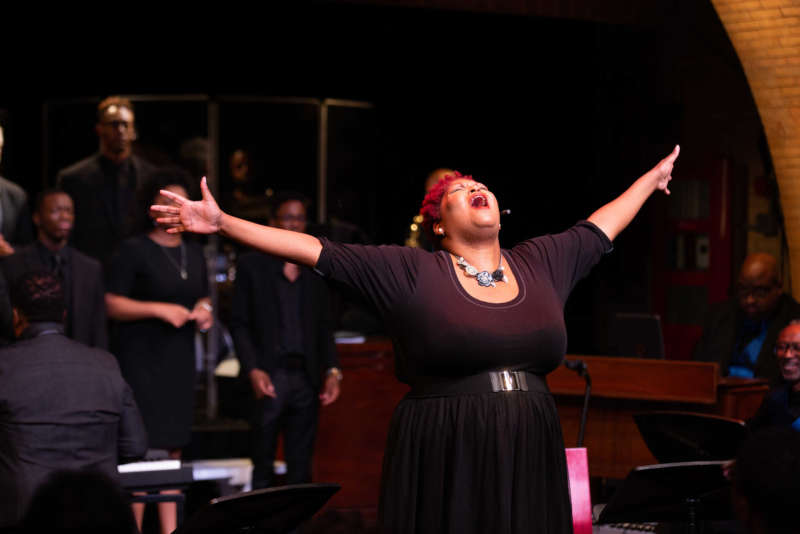 Racialized Police ViolenceAntigone in Ferguson
Antigone in Ferguson is a groundbreaking project that fuses dramatic readings by acclaimed actors of Sophocles’ Antigone with live choral music performed by a diverse choir, including activists, youth, teachers, police officers, and concerned citizens from St. Louis, Missouri and New York City, culminating in powerful, healing discussions about racialized violence, police brutality, systemic oppression, gender-based violence, health inequality, and social justice. Antigone in Ferguson was conceived in the wake of Michael Brown’s death in 2014, through a collaboration between Theater of War Productions and community members from Ferguson, MO, and premiered at Normandy High School, Michael Brown’s alma mater, in September of 2016.
-
 War & Mental HealthTheater of War
Rooted in discussions about the invisible and visible wounds of war, the company’s hallmark project is designed to increase awareness of psychological health issues, disseminate information on available resources, and foster greater community cohesion.
-
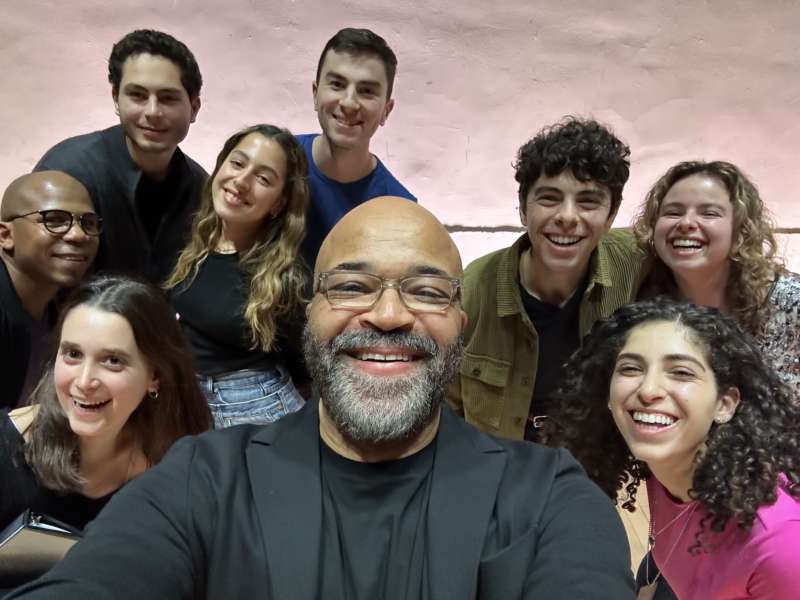 War & Mental HealthTheater of War: Hector, Andromache, and the Death of Astyanax
Theater of War: Hector, Andromache, and the Death of Astyanax presents live, dramatic readings of selections from Homer’s Iliad, Book VI and scenes from The Trojan Women by Euripides—featuring acclaimed actors and a Chorus of students, from a variety of backgrounds, whose lives have been impacted by war—to help frame powerful, healing dialogue about the human cost of war, centered on the suffering of children and civilians. The project uses ancient texts that explore and depict the dehumanization of war to create a vocabulary for openly discussing challenging and divisive subjects, with the aim of generating compassion, empathy, moral repair, understanding, and positive action.