Open to Public
The Dionysus Project / Eastern Kentucky University, Manchester Campus
About the play
-
The Bacchae by Euripides
First produced in 405 BC, Euripides' Bacchae tells the ancient story of the arrival of Dionysus, the god of wine and intoxication, in Greece. When Dionysus comes to the city of Thebes, he liberates the people from their homes, sending the citizens - dancing and drinking - into the hills. A young king, named Pentheus, tries to subdue the revelry and restore order to his city, waging an all-out war against the god. But when Pentheus first tastes the drug that has ravaged his city, he too succumbs to its power and is murdered by his own mother, in a deranged state of intoxication.
Explore Projects
-
 Gun ViolenceHercules
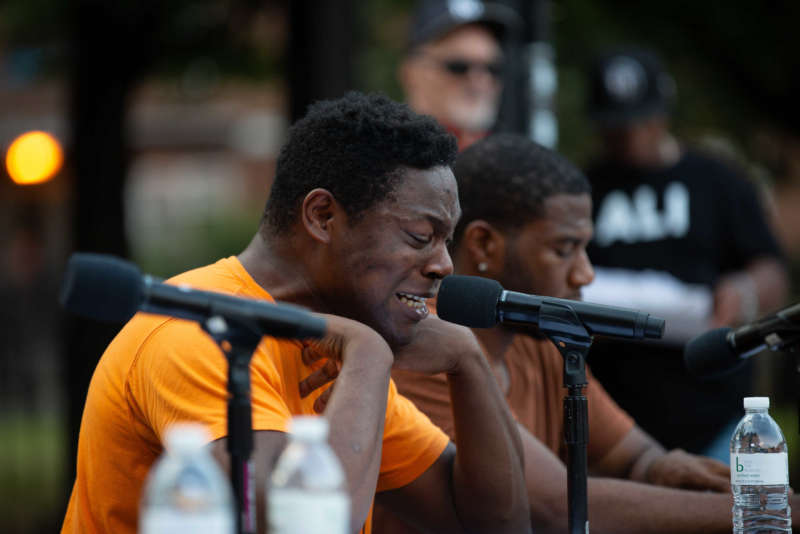
Drawing from an ancient Greek tragedy about a vicious act of violence committed by an angry man with an invincible weapon, this project aims to generate powerful dialogue between concerned citizens, members of the law enforcement community, victims and perpetrators of gun violence, and the general public.
-
 Caregiving & DeathThe Nurse Antigone
A groundbreaking project by and for nurses, The Nurse Antigone presents dramatic readings of Sophocles’ Antigone on Zoom—featuring professional actors and a chorus of frontline nurses—to help frame powerful, guided discussions about the unique challenges faced by nurses before, during, and after the COVID-19 pandemic.
-
 RacismFrederick Douglass
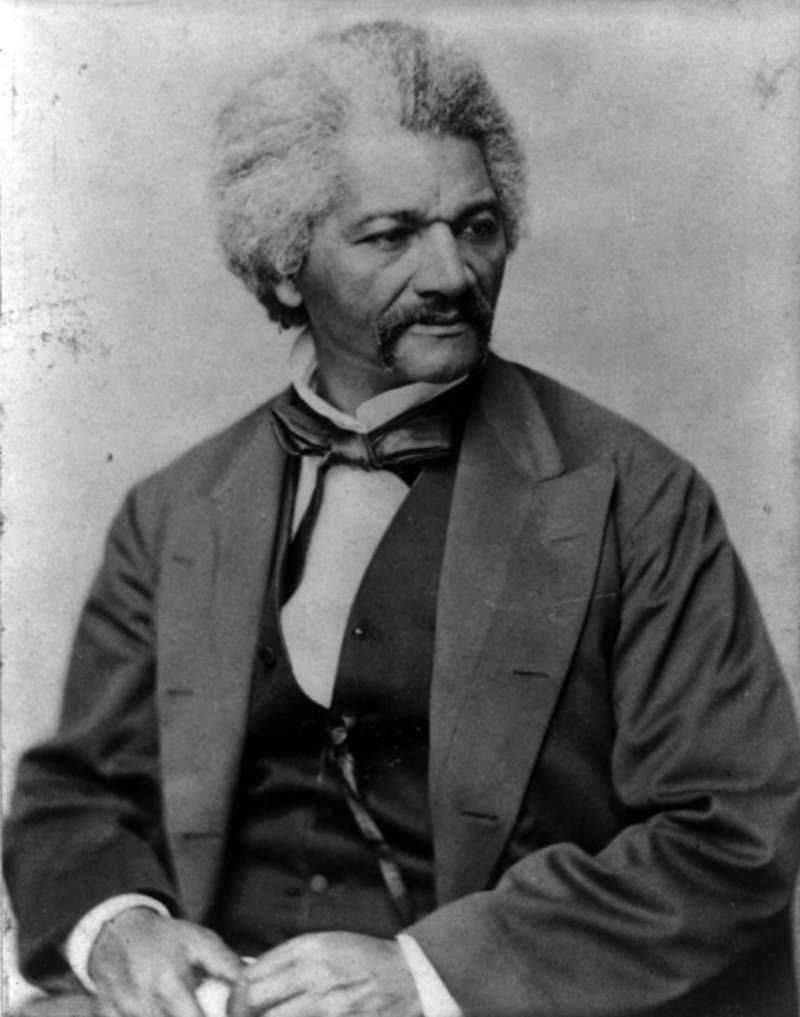
Frederick Douglass is a project that presents dramatic readings of Douglass' speeches by professional actors as a catalyst for powerful dialogue about racism, inequality, civil rights, education, and the legal system with the objective of fostering compassion, understanding, and positive action.