Open to Public
Rum and Vodka / Shaw Air Force Base
About the play
-
Rum and Vodka by Conor Mcpherson
Rum and Vodka tells the story of a 24-year-old man living in Dublin, whose life is falling apart, in large part due to his drinking. But drinking, he believes, is the only way he can cope with his shame, anger, and an overwhelming feeling of being trapped in a life he did not choose for himself. The story follows the young man on a three-day bender, during which time he loses his job, cheats on his wife, and nearly destroys his family.
Explore Projects
-
 Caregiving & DeathEnd of Life
End of Life presents readings of ancient Greek plays in public settings and medical communities as a catalyst for facilitated discussions about challenges faced by patients, families, and health professionals today around end of life care. This unique, participatory event is intended to promote powerful, open discussion among diverse communities - public and professional - fostering compassion, cooperation, and understanding about living with chronic suffering and the mortality we all share.
-
 Domestic ViolencePatient and Impatient Griselda
Theater of War Productions and Margaret Atwood return to the Toronto International Festival of Authors with an exciting new collaboration exploring power and control, domestic violence, and family dynamics by way of two versions of the same story, one written by Giovanni Boccaccio in 1348 during the bubonic plague and the other by Atwood in 2020 during the Covid-19 pandemic. In Bocaccio’s version, a woman named Griselda remains in an abusive and controlling relationship, showing great patience and forbearance in the face of her husband’s sadism and cruelty. In Atwood’s version, Griselda takes matters in her own hands and, with the help of her sister, turns the tables on her husband.
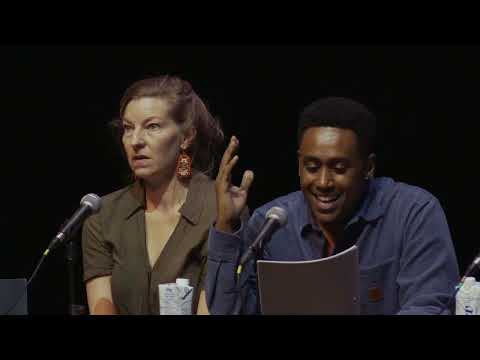
This free, public event featured a live, dramatic reading of the “Patient Griselda” story from Boccaccio's Decameron by Jesse Eisenberg (The Social Network, Fleishman is in Trouble), Maev Beaty (Beau is Afraid, Mouthpiece), and Araya Mengesha (Tiny Pretty Things, Nobody). Then, in response, Margaret Atwood performed “Impatient Grisleda,” a story that is narrated to a group of humans in quarantine by an alien that looks like an octopus. The readings of both texts was followed by immediate responses by community panelists and culminated in a guided audience discussion, facilitated by Bryan Doerries (Artistic Director, Theater of War Productions).
Co-presented by Theater of War Productions and Toronto International Festival of Authors.
This hybrid presentation took place in person at the Toronto Harbourfront Centre Theatre and on Zoom Webinar on September 30, 2023.
-
 RacismA REFUTATION
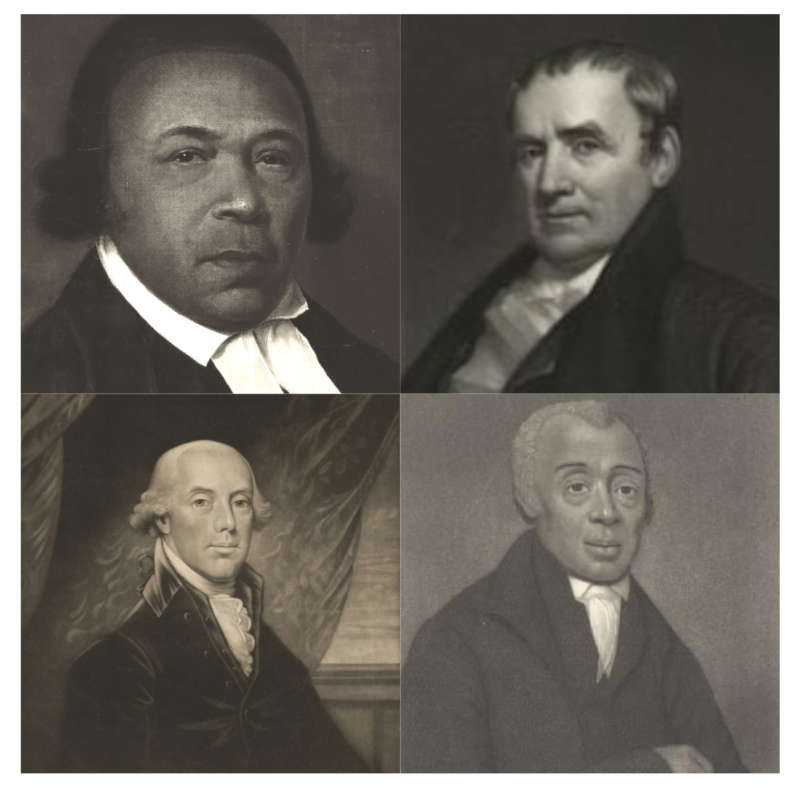
A REFUTATION presents dramatic readings by acclaimed actors of excerpts from two conflicting historic accounts of Philadelphia’s 1793 yellow fever epidemic as a catalyst for guided audience discussions about health inequities in America today, grounded in the perspectives of nurses, caregivers, and first responders.