Open to Public
Theater of War at September 11 Memorial Museum
Free Event
Wed, Nov 08.2017
About the play
-
Ajax by Sophocles
Sophocles’ Ajax tells the story of a fierce warrior who is passed over for recognition by his command after losing his cousin Achilles in battle during the Trojan War. Feeling betrayed, Ajax attempts to murder his superior officers, fails, and—ultimately—takes his own life. The play tells the story of the events leading up to Ajax’ suicide, as well as the story of his wife and troops’ attempt to intervene before it's too late. The play also depicts the devastating impact of Ajax’ suicide upon his wife, son, brother, troops, and chain of command.
Cast Members
-

Jumaane Williams
-

Kathryn Erbe
-

Bill Camp
Explore Projects
-
 Caregiving & DeathEnd of Life
End of Life presents readings of ancient Greek plays in public settings and medical communities as a catalyst for facilitated discussions about challenges faced by patients, families, and health professionals today around end of life care. This unique, participatory event is intended to promote powerful, open discussion among diverse communities - public and professional - fostering compassion, cooperation, and understanding about living with chronic suffering and the mortality we all share.
-
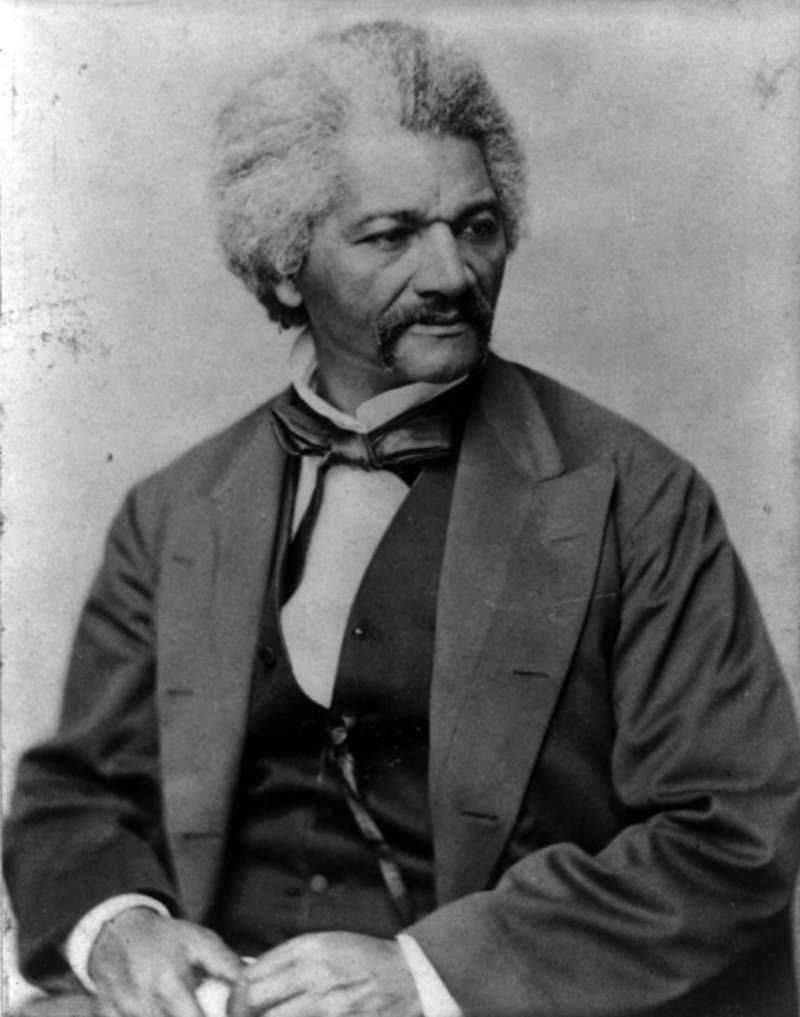 RacismFrederick Douglass
Frederick Douglass is a project that presents dramatic readings of Douglass' speeches by professional actors as a catalyst for powerful dialogue about racism, inequality, civil rights, education, and the legal system with the objective of fostering compassion, understanding, and positive action.
-
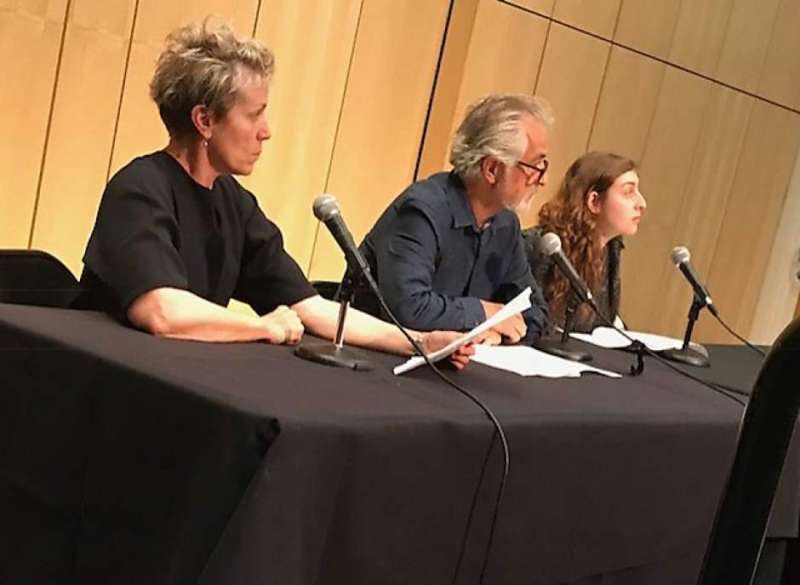 Caregiving & DeathTheater of War Frontline
Theater of War Frontline is an innovative project—developed by Theater of War Productions, the Johns Hopkins Berman Institute of Bioethics and the Johns Hopkins Program in Arts, Humanities & Health—that presents dramatic readings by acclaimed actors of scenes from ancient Greek plays for audiences of frontline medical professionals to open up powerful dialogue about difficult subjects, fostering a sense of connection and promoting health-seeking behavior. By presenting ancient plays to doctors, nurses, EMTs, respiratory therapists, and the frontline community about emotionally-charged, ethically complex situations, Theater of War Frontline aims to create a brave space for open, candid dialogue and reflection, fostering compassion, a renewed sense of community, and positive action.