Open to Public
Domestic Violence / Maine Humanities Council
Tue, Apr 16.2013
About the play
-
A Streetcar Named Desire by Tennessee Williams
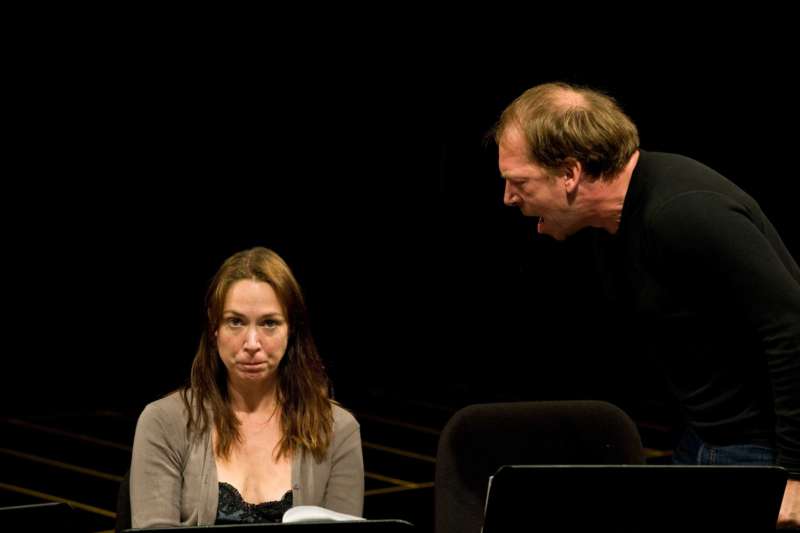
The Domestic Violence Project presents scenes 3 and 4 from Tennessee Williams’ A Streetcar Named Desire, depicting the infamous poker night and its aftermath in Williams’ iconic American play: Stanley and the boys are up late playing poker in small apartment where he lives with his wife, Stella. When Stella and her sister Blanche arrive home, a violent altercation ensues, and when the drunken Stanley becomes violent, his friends are forced to pin him down while Stella retreats to a neighbor’s home. Stanley’s breaks down and begs Stella to come back to him, which she does. The next day Blanche confronts Stella over Stanley’s behavior and, much to her surprise, learns that Stella does not wish to leave Stanley.
Explore Projects
-
 Caregiving & DeathThe Nurse Antigone
A groundbreaking project by and for nurses, The Nurse Antigone presents dramatic readings of Sophocles’ Antigone on Zoom—featuring professional actors and a chorus of frontline nurses—to help frame powerful, guided discussions about the unique challenges faced by nurses before, during, and after the COVID-19 pandemic.
-
 Pandemic & Climate CrisisThe Oedipus Project
The Oedipus Project presents acclaimed actors reading scenes from Sophocles’ Oedipus the King as a catalyst for powerful, constructive, global discussions about the climate crisis, ecological disaster, ethical leadership, and environmental justice. Sophocles’ ancient play, first performed in 429 BC, just after the first wave of a plague that killed nearly one-third of the Athenian population, is a story of arrogant leadership, ignored prophecy, intergenerational curses, and a pestilence and ecological collapse that ravages the archaic city of Thebes. Seen through this lens, Oedipus the King appears to have been a powerful tool for helping Athenians communalize trauma and loss, while interrogating their own complicit role in the suffering, not just of those around them but of generations to come.
-
 Domestic ViolenceMedea
Medea timelessly depicts how scorned passion can lead to revenge and, sometimes, unthinkable violence. This project, which premiered at the Brooklyn Academy of Music in June 2016, delves into under-discussed mental health issues that affect women and their families.