Open to Public
An Enemy of the People
Adapted, directed, and facilitated by Bryan Doerries
An Enemy of the People presents acclaimed actors, journalists, public health leaders, scientists, climate activists, elected officials, and local community members performing dramatic readings of scenes from Henrik Ibsen’s 1882 play An Enemy of the People as a catalyst for powerful, guided audience discussions about public health, freedom of the press, and environmental justice.
The play tells the story of a doctor who discovers the water supply in his small, rural town has been poisoned by a tannery. Despite his efforts to convey the truth to the public, the doctor fails to save his community from environmental disaster and is ultimately scapegoated by politicians, corporations, community members, and the local media for his whistleblowing.
An Enemy of the People was first performed in Norway in 1882, and yet it speaks to the present moment as if it were written for our times — to the corrosive influence of power and money in politics, the erosion of trust in institutions, the challenges to public health and to the free press, and the many other polarizing forces at work in our culture today. By presenting scenes from the play in public settings, featuring a variety of stakeholders, the project aims to create the conditions for open, constructive dialogue and positive action at this critical juncture.
About the play
-
An Enemy of the People by Henrik Ibsen
First performed in Norway in 1882, An Enemy of The People tells the story of a doctor who discovers the water supply in his small, rural town has been poisoned by a tannery. Despite his efforts to convey the truth to the public, the doctor fails to save his community from environmental disaster and is ultimately scapegoated for his whistleblowing.
Cast Members
-

Willem Dafoe
-

Marjolaine Goldsmith
-

Brian F. O'Byrne
-

Jason Isaacs
-
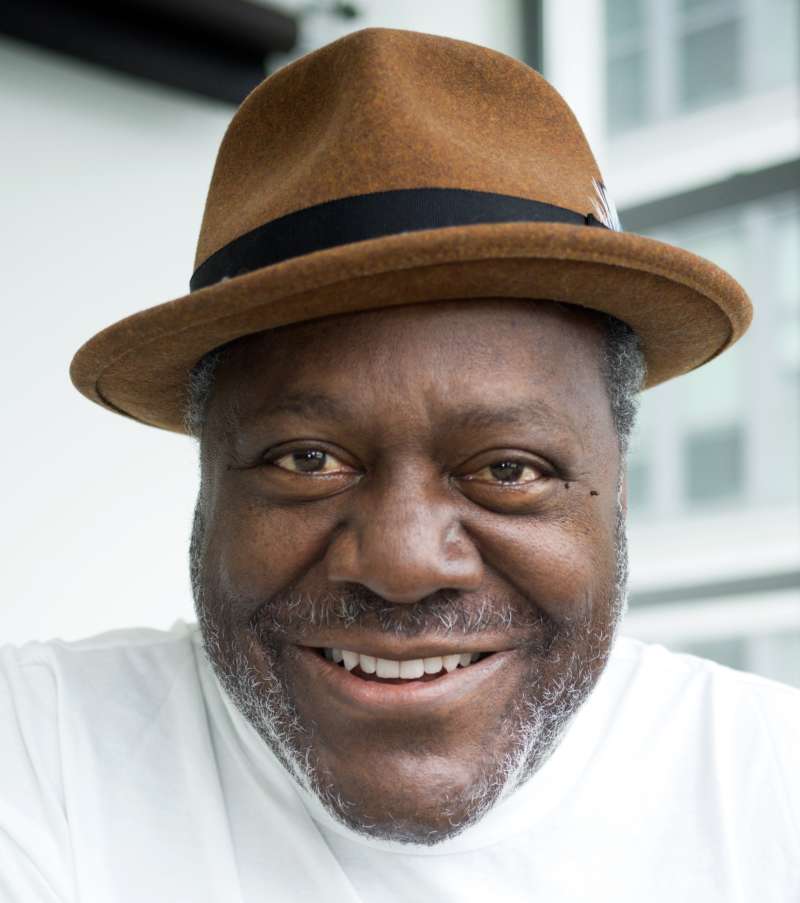
Frankie Faison
-

Rafika Chawishe
-

Laurie Eustis
Explore Projects
-
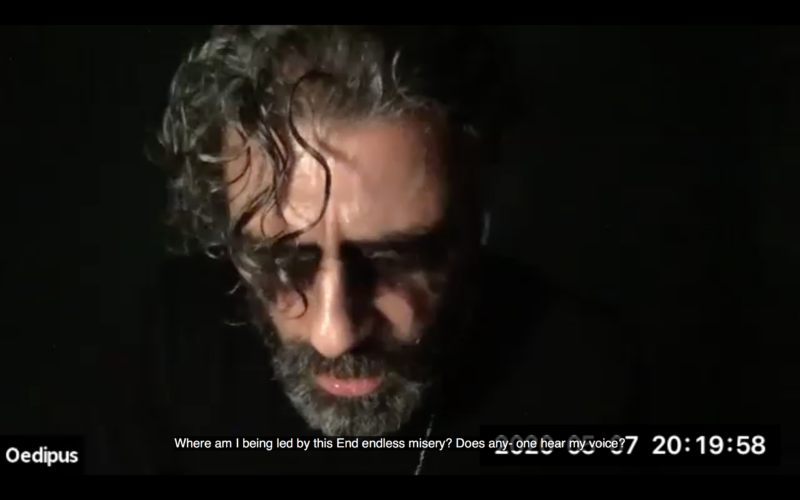 Pandemic & Climate CrisisThe Oedipus Project
The Oedipus Project presents acclaimed actors reading scenes from Sophocles’ Oedipus the King as a catalyst for powerful, constructive, global discussions about the climate crisis, ecological disaster, ethical leadership, and environmental justice. Sophocles’ ancient play, first performed in 429 BC, just after the first wave of a plague that killed nearly one-third of the Athenian population, is a story of arrogant leadership, ignored prophecy, intergenerational curses, and a pestilence and ecological collapse that ravages the archaic city of Thebes. Seen through this lens, Oedipus the King appears to have been a powerful tool for helping Athenians communalize trauma and loss, while interrogating their own complicit role in the suffering, not just of those around them but of generations to come.
-
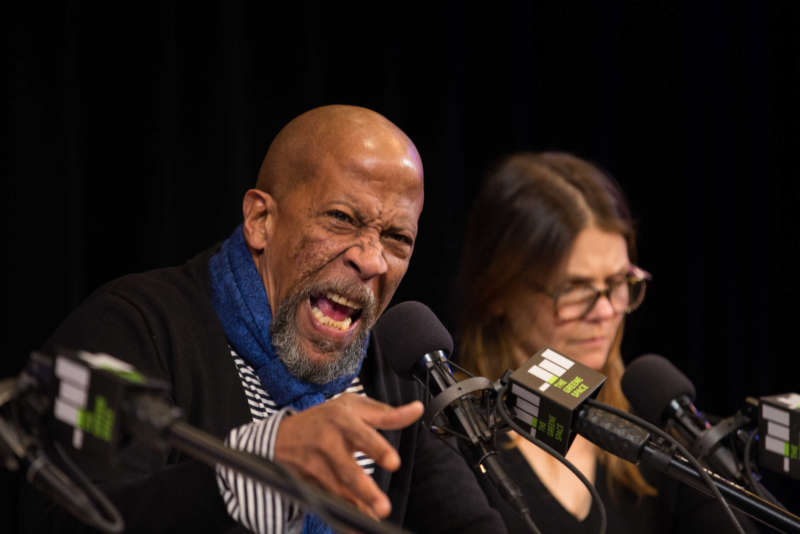 War & Mental HealthTheater of War
Rooted in discussions about the invisible and visible wounds of war, the company’s hallmark project is designed to increase awareness of psychological health issues, disseminate information on available resources, and foster greater community cohesion.
-
 Pandemic & Climate CrisisAn Enemy of The People
An Enemy of the People presents acclaimed actors, public health leaders, scientists, journalists, elected officials, and local community members performing dramatic readings of scenes from Henrik Ibsen’s 1882 play An Enemy of the People to help frame powerful, guided audience discussions aimed at generating connection, understanding, compassion, moral repair, and much-needed healing. The play tells the story of a doctor who discovers the water supply in his small, rural town has been poisoned by a tannery. Despite his efforts to convey the truth to the public, the doctor fails to save his community from environmental disaster and is ultimately scapegoated for his whistleblowing. An Enemy of the People was first performed in Norway in 1882, and yet it speaks to the present moment as if it were written for our times — to the corrosive influence of power and money in politics, the distortions of the media, and the many other challenges to public health in our culture today, especially during times of crisis.