Open to Public
American Psychiatric Association Conference
Sun, May 19.2013
About the play
-
Long Day's Journey Into Night by Eugene O'neill
Eugene O'Neill's Long Day's Journey into Night depicts the struggles of Mary Tyrone, a woman who abuses prescription painkillers and relapses into full-blown morphine addiction. It is also the story of how Mary's addiction rips her family apart, as her morphine use slowly becomes apparent to her husband and two sons, who struggle with alcohol abuse and addiction. It is widely believed that Long Day's Journey into Night is an autobiographical play, and that the troubled characters in it are based on members of O'Neill's own family, including his mother, Ella, who struggled with morphine addiction for most of her life. In his dedication of the play to his wife Carlotta, O'Neill states that it is a "play of old sorrow, written in tears and blood," and that he wrote it "with deep pity and understanding and forgiveness for all the four haunted Tyrones." O'Neill wrote the play for personal reasons, and the Addiction Performance Project present the plays to diverse audiences to elicit personal responses and candid discussion about addiction.
Explore Projects
-
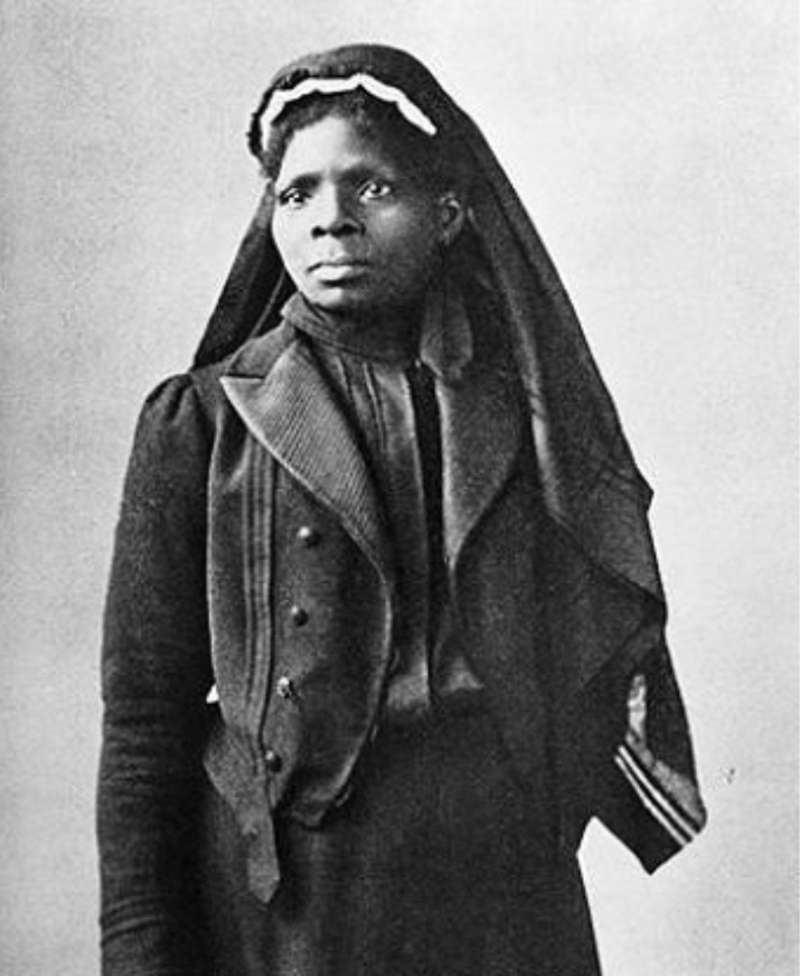 Caregiving & DeathThe Susie King Taylor Project
A dramatic reading of Susie King Taylor's memoir to help frame powerful, guided discussions about challenges faced by Nurses and Veterans.
-
 Ethics & The Justice SystemTheater of Law
Developed with New York University’s Forum on Law, Culture, & Society, and designed as a professional development program for legal professionals, as well as for the general public, Theater of Law drives conversations about moral justice in the court system. The project is aimed at engaging audiences who have in some way been disenfranchised by the law in constructive, powerful dialogue.
-
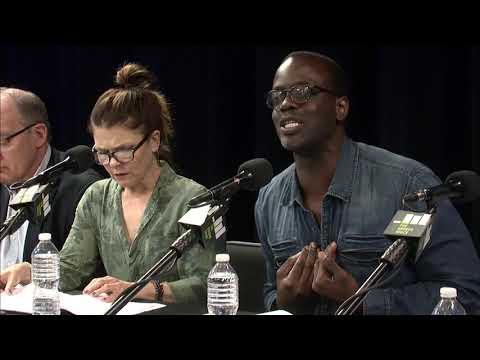 IncarcerationPrometheus in Prison
Prometheus in Prison is an innovative public health project that presents readings of Aeschylus’ Prometheus Bound, an ancient Greek play about god who is imprisoned for stealing fire and giving it to humans, as a catalyst for powerful discussions about the challenges faced by individuals, families, and communities whose lives have been touched by the criminal justice system. For the past decade years, this groundbreaking project has been used to open up healing dialogue in a variety of settings, including prisons, detention centers, and public venues throughout the country and the world.