Open to Public
American Academy of Family Physicians (AAFP) Scientific Assembly 2012
Free Event
Sat, Oct 20.2012
About the play
-
Long Day's Journey Into Night by Eugene O'neill
Eugene O'Neill's Long Day's Journey into Night depicts the struggles of Mary Tyrone, a woman who abuses prescription painkillers and relapses into full-blown morphine addiction. It is also the story of how Mary's addiction rips her family apart, as her morphine use slowly becomes apparent to her husband and two sons, who struggle with alcohol abuse and addiction. It is widely believed that Long Day's Journey into Night is an autobiographical play, and that the troubled characters in it are based on members of O'Neill's own family, including his mother, Ella, who struggled with morphine addiction for most of her life. In his dedication of the play to his wife Carlotta, O'Neill states that it is a "play of old sorrow, written in tears and blood," and that he wrote it "with deep pity and understanding and forgiveness for all the four haunted Tyrones." O'Neill wrote the play for personal reasons, and the Addiction Performance Project present the plays to diverse audiences to elicit personal responses and candid discussion about addiction.
Explore Projects
-
 Natural DisasterBook of Job
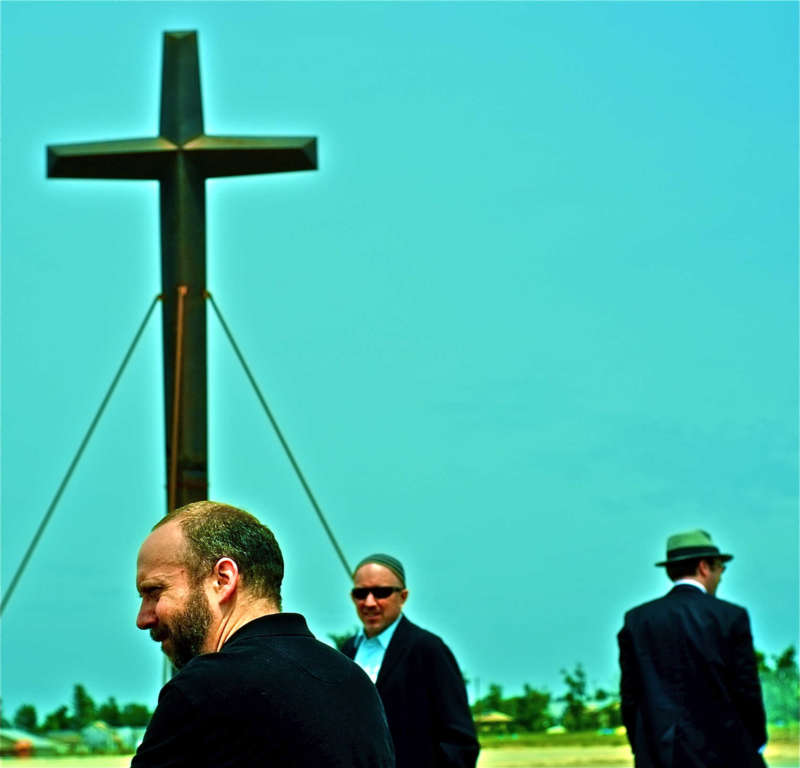
The Book of Job Project presents dramatic readings by acclaimed actors of The Book of Job as a catalyst for powerful, guided conversations about the impact of natural and manmade disasters upon individuals, families, and communities.
-
 RacismThe Drum Major Instinct
Commissioned by BRIC, The Drum Major Instinct engages audiences in dialogue about racism and inequality. The performance features a dramatization of Dr. Martin Luther King Jr.’s final sermon, embodied by prominent actors and supported by a large gospel choir, composed of singers, activists, police officers, and musicians from St. Louis, MO, and Brooklyn, NY.
-
 RacismAntigone in Savannah
Dramatic readings of Sophocles’ Antigone with live music to frame powerful dialogue about honoring the dead and healing historical wounds.