Open to Public
A REFUTATION: American Nurses Association Opportunity and Impact in Nursing Summit
Fri, Feb 13.2026
A REFUTATION presents dramatic readings by acclaimed actors of excerpts from conflicting historic accounts of Philadelphia’s 1793 yellow fever epidemic as a catalyst for guided audience discussions about health inequities in America today, grounded in the perspectives of nurses, caregivers, and first responders.
Featuring pamphlets, letters, and rebuttals by Richard Allen, Absalom Jones, Matthew Carey, and Benjamin Rush performed by Frankie Faison (The Wire, Coming to America, The Rookie), Bill Camp (Presumed Innocent, 12 Years a Slave, The Queen’s Gambit), and Eric Berryman (Atlanta, A Complete Unknown, Godfather of Harlem).
Presented by Theater of War Productions and the American Nurses Association.
Directed, adapted, and facilitated by Bryan Doerries.
About the plays
-
A Narrative of the Proceedings of the Black People, During the Late Awful Calamity in Philadelphia, in the Year 1793, and A REFUTATION of Some Censures, Thrown upon Them in Some Late Publications by Absalom Jones (1746 – 1818) and Richard Allen (1760 – 1831)
A Narrative of the Proceedings of the Black People, During the Late Awful Calamity in Philadelphia, in the Year 1793, and A REFUTATION of Some Censures, Thrown upon Them in Some Late Publications, by Absalom Jones (1746 – 1818) and Richard Allen (1760 – 1831), highly distinguished civic and religious leaders from Philadelphia’s free Black community, was the first publication by Black authors to receive a federal copyright in the United States. Both men were born into slavery, purchased their freedom, and rose to become the important leaders in the nation’s largest free Black community. Jones was the nation’s first Black Episcopal priest, and Allen founded Bethel Church, the oldest African Methodist Episcopal congregation in the nation. Their pamphlet is the only depiction of the 1793 yellow fever epidemic that foregrounds the perspectives and experiences of Black people and the first known text to express Black community anger and directly challenge accusations and libelous statements by a white author. It had a print run of 250-500 copies.
-
A Short Account of the Malignant Fever, Lately Prevalent in Philadelphia, With a Statement of the Proceedings That Took Place on the Subject in Different Parts of the United States by Matthew Carey (1760 -1839)
A Short Account of the Malignant Fever, Lately Prevalent in Philadelphia, With a Statement of the Proceedings That Took Place on the Subject in Different Parts of the United States, by Matthew Carey (1760 -1839), an Irish immigrant and the nation’s most preeminent publisher at the time, was a runaway success. Roughly 10,000 copies of the pamphlet were sold in four editions over the span of two months. The pamphlet made distorted, racist claims about Black nurses, care givers, and first responders during the height of the epidemic, prompting Absalom Jones and Richard Allen to publish a rebuttal seven weeks after its first print run.
Cast Members
-

Frankie Faison
-

Bill Camp
-

Eric Berryman
Explore Projects
-
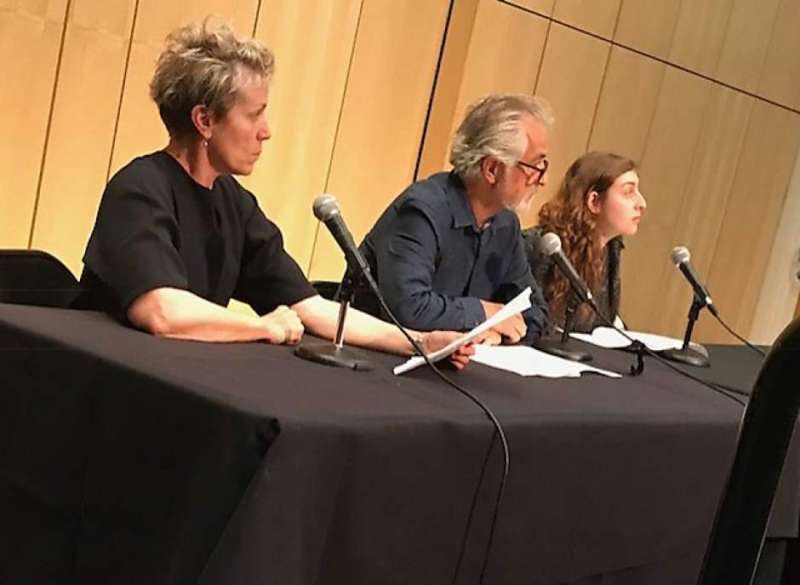 Caregiving & DeathTheater of War Frontline
Theater of War Frontline is an innovative project—developed by Theater of War Productions, the Johns Hopkins Berman Institute of Bioethics and the Johns Hopkins Program in Arts, Humanities & Health—that presents dramatic readings by acclaimed actors of scenes from ancient Greek plays for audiences of frontline medical professionals to open up powerful dialogue about difficult subjects, fostering a sense of connection and promoting health-seeking behavior. By presenting ancient plays to doctors, nurses, EMTs, respiratory therapists, and the frontline community about emotionally-charged, ethically complex situations, Theater of War Frontline aims to create a brave space for open, candid dialogue and reflection, fostering compassion, a renewed sense of community, and positive action.
-
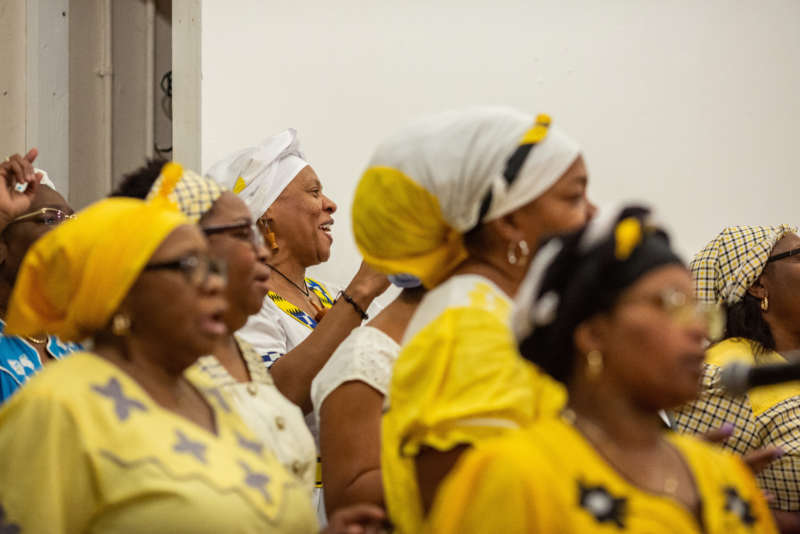 Refugees & ImmigrationThe Suppliants Project
The Suppliants Project tells the timeless story of fifty female refugees seeking asylum at a border from forced marriage and domestic violence. The play not only depicts the struggle of these women to cross into safety, but also the internal struggle within the city that ultimately receives them. Using a 2,500-year-old tragedy by Aeschylus as a catalyst for powerful gatherings and crucial conversations, The Suppliants Project engages diverse audiences in humanizing, constructive dialogue about the challenges and impact of war, migration, and seeking asylum.
-
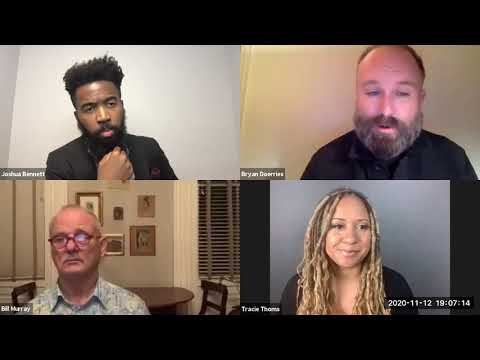 Pandemic & Climate CrisisPoetry for the Pandemic
Using poetry as a catalyst for an Intergenerational performance and discussion during the Covid-19 pandemic.