Invitation Only
What Happens After A.I. Destroys College Writing?
This event has ended.
View upcoming events.
Mon, Nov 17.2025
A live, dramatic reading of Hua Hsu’s recent article for The New Yorker, "What Happens After A.I. Destroys College Writing?” to frame a guided audience discussion about the use of A.I. in and out of the classroom and its implications for the future of higher education.
Featuring performances by Paul Giamatti (Billions), Dominic Sessa (The Holdovers), Amy Ryan (The Office), Eric Berryman (Atlanta), and Marjolaine Goldsmith (Dress).
Presented by Theater of War Productions, the Undergraduate Community Initiative, the Center for the Core Curriculum, Columbia Journalism School, Arts & Sciences, and CJS2030: The Initiative on AI, with special thanks to The New Yorker.
Cast Members
-
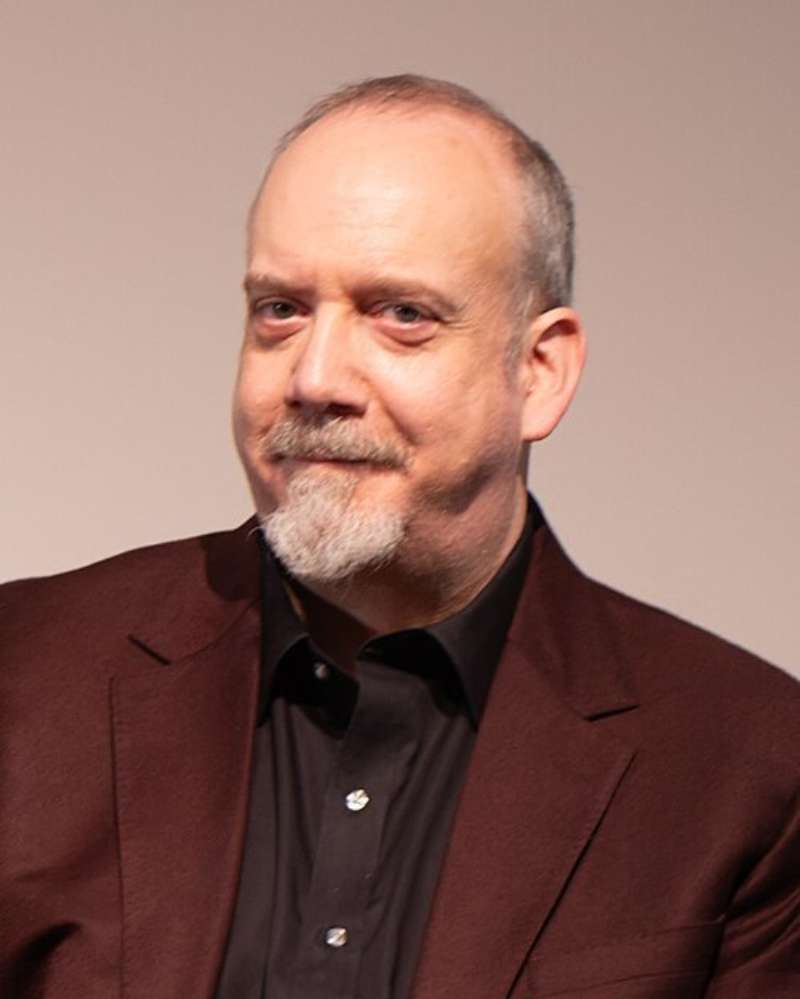
Paul Giamatti
-

Amy Ryan
-
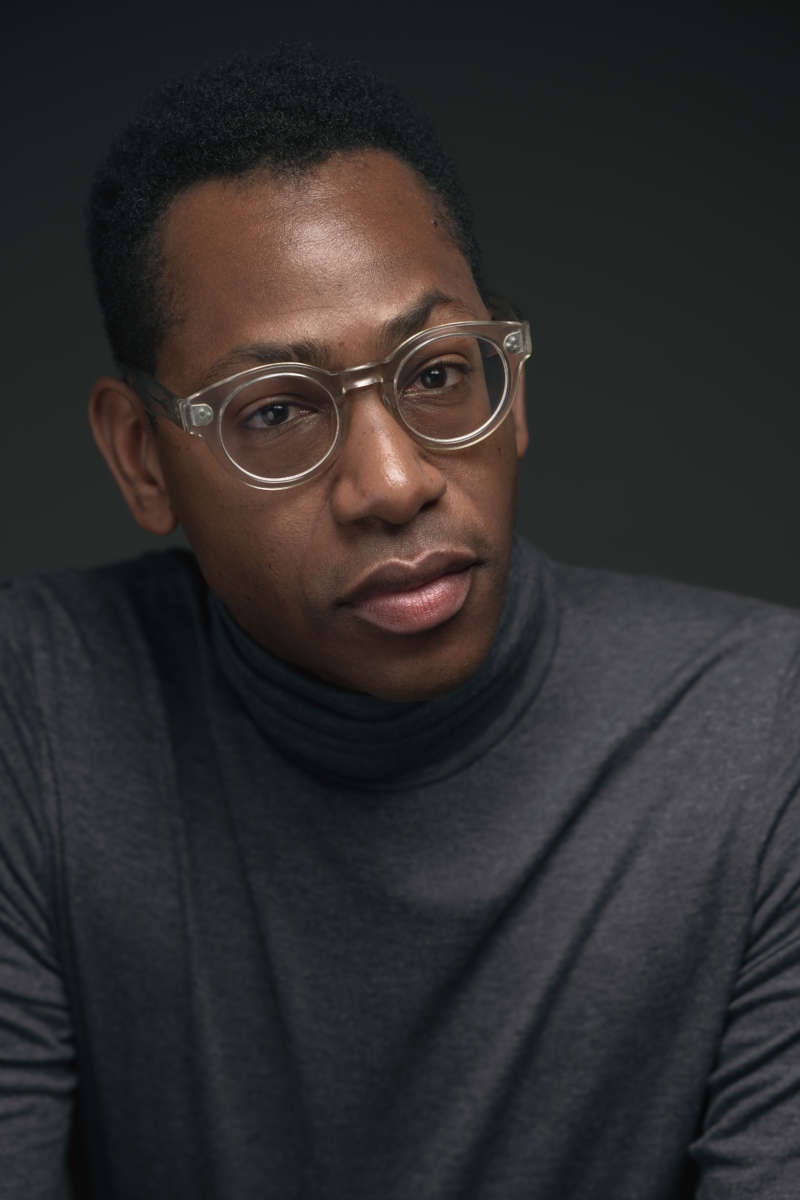
Eric Berryman
-
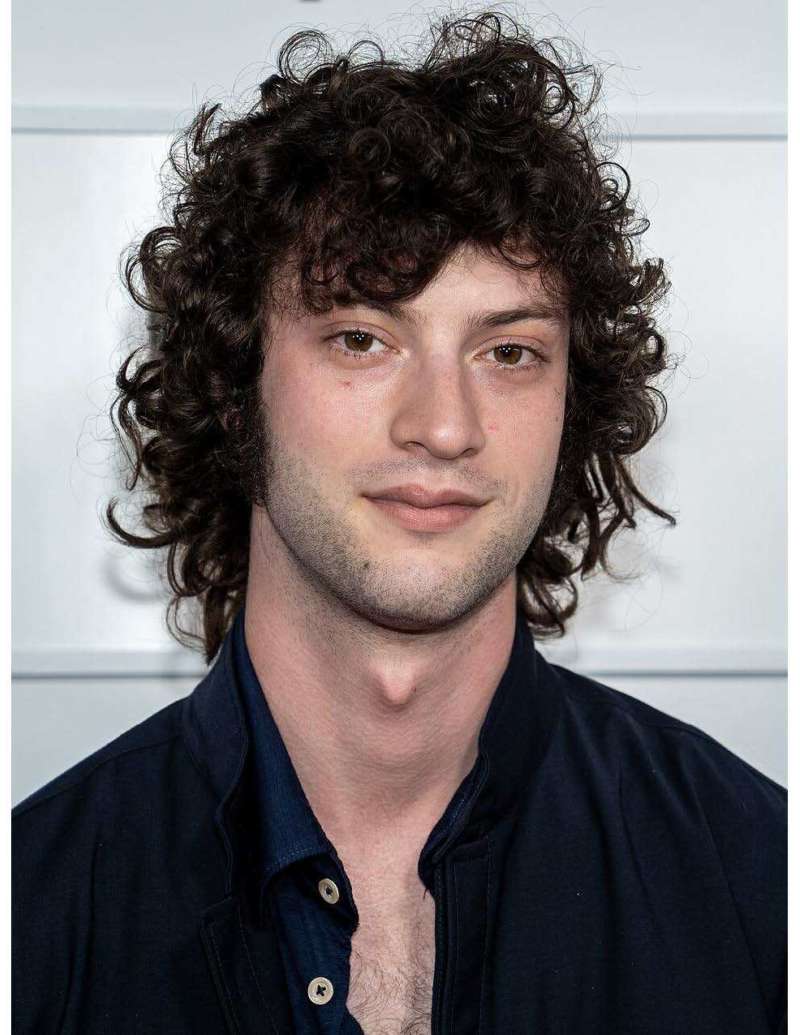
Dominic Sessa
-

Marjolaine Goldsmith
Explore Projects
-
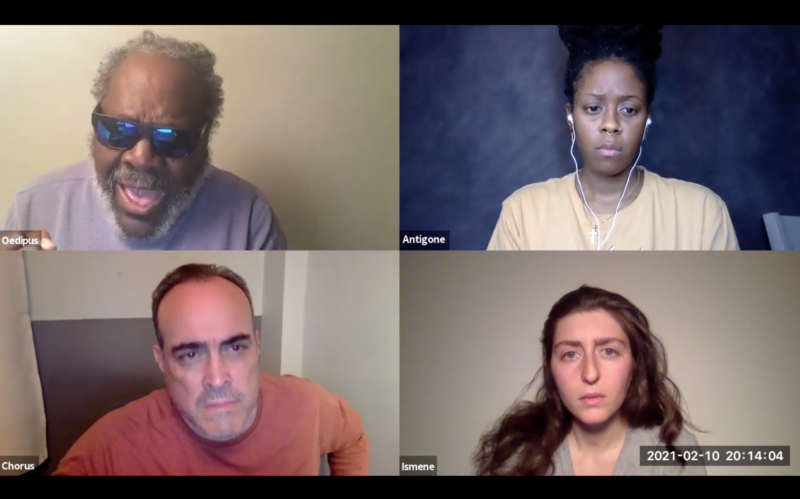 HomelessnessThe Oedipus at Colonus Project
The Oedipus at Colonus Project presents readings of scenes from Sophocles’ final play, Oedipus at Colonus, as catalyst for powerful, community-driven conversations about homelessness, the immigration and refugee crisis, and the challenges of eldercare during and after the pandemic.
-
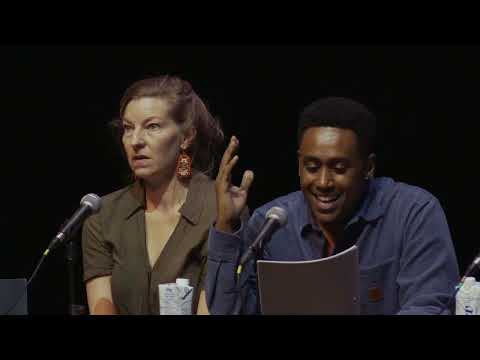 Domestic ViolencePatient and Impatient Griselda
Theater of War Productions and Margaret Atwood return to the Toronto International Festival of Authors with an exciting new collaboration exploring power and control, domestic violence, and family dynamics by way of two versions of the same story, one written by Giovanni Boccaccio in 1348 during the bubonic plague and the other by Atwood in 2020 during the Covid-19 pandemic. In Bocaccio’s version, a woman named Griselda remains in an abusive and controlling relationship, showing great patience and forbearance in the face of her husband’s sadism and cruelty. In Atwood’s version, Griselda takes matters in her own hands and, with the help of her sister, turns the tables on her husband.
This free, public event featured a live, dramatic reading of the “Patient Griselda” story from Boccaccio's Decameron by Jesse Eisenberg (The Social Network, Fleishman is in Trouble), Maev Beaty (Beau is Afraid, Mouthpiece), and Araya Mengesha (Tiny Pretty Things, Nobody). Then, in response, Margaret Atwood performed “Impatient Grisleda,” a story that is narrated to a group of humans in quarantine by an alien that looks like an octopus. The readings of both texts was followed by immediate responses by community panelists and culminated in a guided audience discussion, facilitated by Bryan Doerries (Artistic Director, Theater of War Productions).
Co-presented by Theater of War Productions and Toronto International Festival of Authors.
This hybrid presentation took place in person at the Toronto Harbourfront Centre Theatre and on Zoom Webinar on September 30, 2023.
-
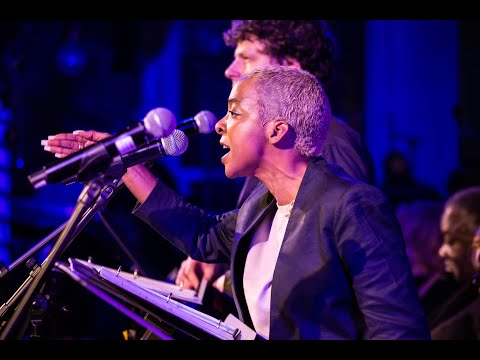 RacismAntigone in Savannah
Dramatic readings of Sophocles’ Antigone with live music to frame powerful dialogue about honoring the dead and healing historical wounds.