Open to Public / Digital Initiative
Theater of War for Frontline Medical Providers
Thu, Jul 30.2020
On the Radio!
About the play
-
Ajax by Sophocles
Sophocles’ Ajax tells the story of a fierce warrior who is passed over for recognition by his command after losing his cousin Achilles in battle during the Trojan War. Feeling betrayed, Ajax attempts to murder his superior officers, fails, and—ultimately—takes his own life. The play tells the story of the events leading up to Ajax’ suicide, as well as the story of his wife and troops’ attempt to intervene before it's too late. The play also depicts the devastating impact of Ajax’ suicide upon his wife, son, brother, troops, and chain of command.
Cast Members
-

Amy Ryan
-

Chad Coleman
-

Anthony Almojera
Event Partners





Explore Projects
-
 Political ViolenceActs of Violence
Acts of Violence presents scenes from Seneca's Thyestes, a Roman tragedy that was written during the gruesome reign of Nero, as a catalyst for town hall discussions about the impact of political violence upon individuals, families, caregivers, health and human rights advocates, communities, and nations.
-
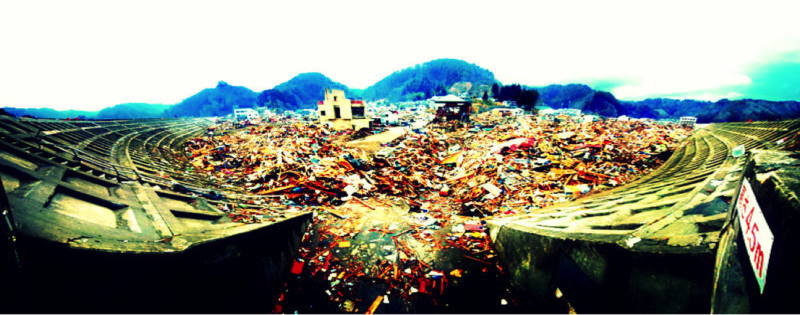 Natural DisasterThe Tohoku Project
The Tohoku Project: Sumidagawa presents powerful dramatic readings by professional actors of Sumidagawa, a Noh play from the early 15th Century that timelessly depicts the unique challenges faced by parents in the wake of unimaginable disaster. Each reading is followed by the responses of community panelists, culminating in a lively, facilitated audience discussion. This interactive event promotes healthy, constructive dialogue about the lasting impact of the Tohoku disaster upon individuals, families, and communities—fostering compassion, understanding, awareness, and positive action.
-
 War & Mental HealthTheater of War: Hector, Andromache, and the Death of Astyanax
Theater of War: Hector, Andromache, and the Death of Astyanax presents live, dramatic readings of selections from Homer’s Iliad, Book VI and scenes from The Trojan Women by Euripides—featuring acclaimed actors and a Chorus of students, from a variety of backgrounds, whose lives have been impacted by war—to help frame powerful, healing dialogue about the human cost of war, centered on the suffering of children and civilians. The project uses ancient texts that explore and depict the dehumanization of war to create a vocabulary for openly discussing challenging and divisive subjects, with the aim of generating compassion, empathy, moral repair, understanding, and positive action.