Invitation Only / Digital Initiative
Theater of War for Frontline Medical Providers
This event has ended.
View upcoming events.
Sun, May 24.2020
On the Radio!
Theater of War for Frontline Medical Providers is an innovative project that presents dramatic readings by acclaimed actors of scenes from Sophocles' Philoctetes and Women of Trachis to help nurses, doctors, medical students, first responders, and other heath care providers engage in healing, constructive discussions about the unique challenges and stressors of the COVID-19 pandemic. Using plays by Sophocles to create a vocabulary for discussing themes such as personal risk, death/dying, grief, deviation from standards of care, abandonment, helplessness, and complex ethical decisions, the project aims to foster connection, community, moral resilience, and positive action.
About the plays
-
Philoctetes by Sophocles
Sophocles’ Philoctetes tells the story of decorated warrior who is abandoned on a deserted island because of mysterious chronic illness that he contracts on the way to the Trojan War. Nine years later, the Greeks learn from an oracle that in order to win the war they must rescue him from the island. When they finally come for him, the wounded warrior must overcome nine long years of festering resentment and shame in order to accept help from the very men who betrayed him.
-
Women of Trachis by Sophocles
Sophocles’ Women of Trachis, tells the story of Heracles—the strongest of all Greek heroes—who has been unintentionally poisoned by his wife, Deineira, after she discovers that he has fallen in love with a younger woman. In an attempt to win back her husband’s affection mistakes a lethal toxin, which was given to her by a dying centaur years ago for a love potion. Deineira sends him a robe dipped in the liquid. When Heracles puts on the robe it immediately eats through his skin, muscle tissue, down through his bones to the marrow. Heracles falls to the ground, clutching his sides, crying out in pain, calling for his teenage son, Hyllus, to come to his aid and to help him put an end to the seemingly endless waves of pain.
Cast Members
-

Jesse Eisenberg
-

Frances McDormand
-

Frankie Faison
-

David Strathairn
Event Partners



Explore Projects
-
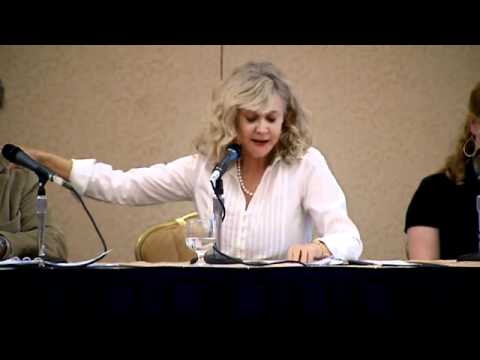 Addiction & Substance AbuseAddiction Performance Project
Designed to raise awareness about opiate addiction and alcohol abuse, the project is intended to promote dialogue about helping those who are struggling with addiction.
-
 Addiction & Substance AbuseThe Dionysus Project
The Dionysus Project is an innovative public health project that presents readings of scenes from Euripides' Bacchae, an ancient Greek play about the destructive power of intoxication, as a catalyst for town hall discussions about the impact of substance abuse and addiction upon individuals, families, and communities. The project uses an ancient Greek tragedy, written nearly 2500 years ago, to engage audiences in crucial discussions about the timelessness of the human struggle with substance abuse and addiction, as well as resources and solutions that communities can utilize today.
-
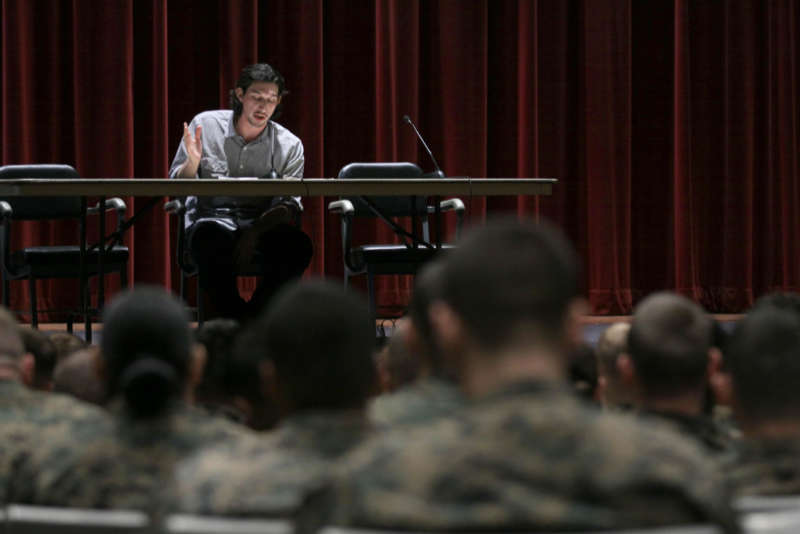 Addiction & Substance AbuseRum and Vodka
This project presents a one-man Irish play about a 24-year-old whose life is coming apart, due to drinking, in order to provoke discussions about alcoholism and addiction within diverse communities.