Open to Public / New York City Public Artist In Residence
Theater of Law: Aeschylus' Eumenides
Translated and Directed by Bryan Doerries
A Collaboration with The Forum on Law, Culture, & Society at NYU School of Law
Free Event
Thu, May 03.2018
About the play
-
Eumenides by Aeschylus
Aeschylus’ Eumenides dramatizes the trial of Orestes, a young man who is tormented by the avenging Furies after killing his mother Clytemnestra in retaliation for his father Agamemnon’s death. Orestes seeks refuge in the temple of Apollo, who brings him to Athens and defends him before a jury of twelve Athenians. The goddess Athena hears arguments from both sides, including the forceful prosecution of the Furies, who maintain that the social order of the city will unravel if the matricide goes unpunished. Ultimately, after the jury is hung, Athena casts the deciding vote, acquitting Orestes of his crime and, after doing so, she must also find a way to appease the avenging Furies, so that their violent and destructive anger is not unleashed upon the city.
Explore Projects
-
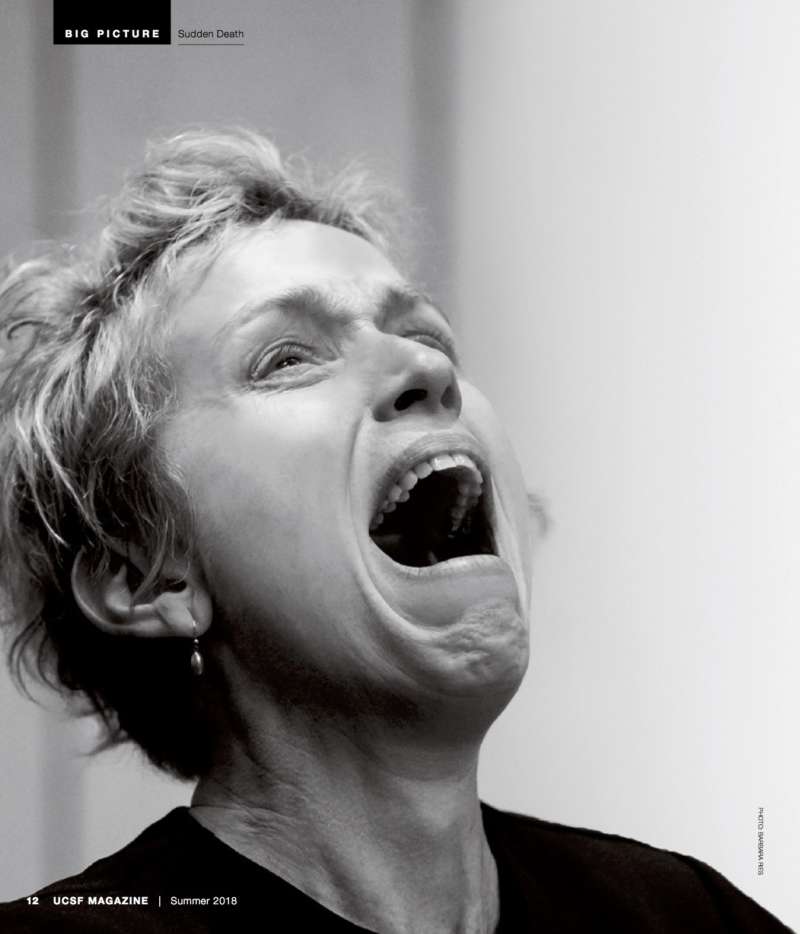 Caregiving & DeathEnd of Life
End of Life presents readings of ancient Greek plays in public settings and medical communities as a catalyst for facilitated discussions about challenges faced by patients, families, and health professionals today around end of life care. This unique, participatory event is intended to promote powerful, open discussion among diverse communities - public and professional - fostering compassion, cooperation, and understanding about living with chronic suffering and the mortality we all share.
-
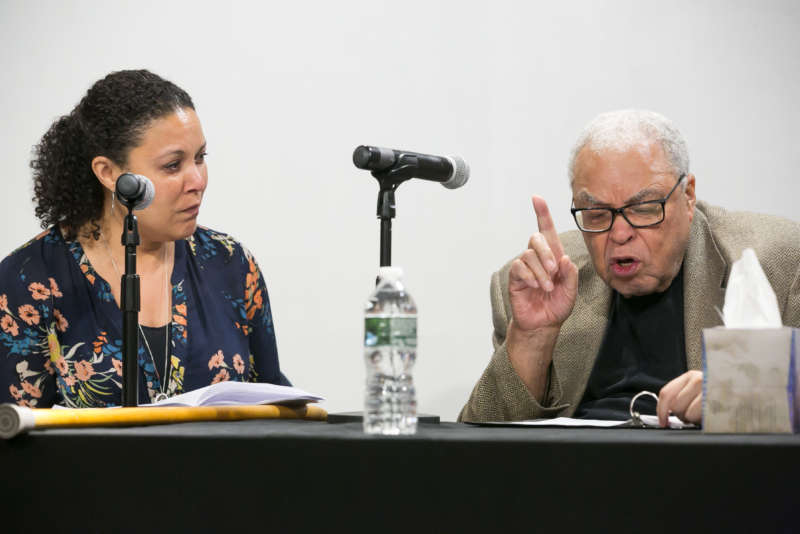 Caregiving & DeathKing Lear Project
The King Lear Project presents streamlined readings of scenes from Shakespeare’s King Lear to engage diverse audiences—including older adults, caregivers, and family members—in open, healing, constructive, discussions about the challenges of aging, dementia, and caring for friends and loved ones.
-
 Pandemic & Climate CrisisAn Enemy of The People
An Enemy of the People presents acclaimed actors, public health leaders, scientists, journalists, elected officials, and local community members performing dramatic readings of scenes from Henrik Ibsen’s 1882 play An Enemy of the People to help frame powerful, guided audience discussions aimed at generating connection, understanding, compassion, moral repair, and much-needed healing. The play tells the story of a doctor who discovers the water supply in his small, rural town has been poisoned by a tannery. Despite his efforts to convey the truth to the public, the doctor fails to save his community from environmental disaster and is ultimately scapegoated for his whistleblowing. An Enemy of the People was first performed in Norway in 1882, and yet it speaks to the present moment as if it were written for our times — to the corrosive influence of power and money in politics, the distortions of the media, and the many other challenges to public health in our culture today, especially during times of crisis.