Open to Public
The Oedipus Project: Nobel Prize Summit
Tue, Apr 27.2021
On the Radio!
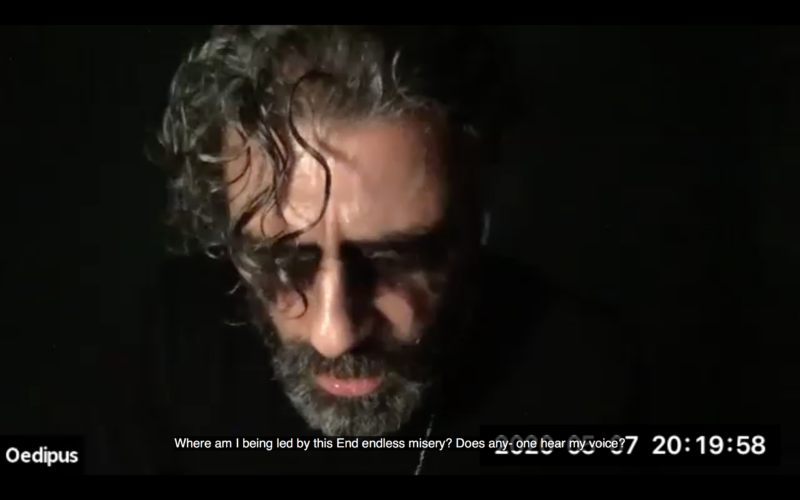
The Oedipus Project presents acclaimed actors reading scenes from Sophocles’ Oedipus the King on Zoom as a catalyst for powerful, constructive, global conversations about climate change, ecological disaster, and environmental justice. Sophocles’ ancient play, first performed in 429 BC, just after a plague that killed nearly one-third of the Athenian population, is a story of arrogant leadership, ignored prophecy, intergenerational curses, willful blindness, and a pestilence and ecological collapse that ravages the archaic city of Thebes. Seen through this lens, Oedipus the King appears to have been a powerful tool for helping Athenians communalize trauma and loss, while interrogating their own complicit role in the suffering, not just of those around them but of generations to come.
This event is presented as part of the Nobel Prize Summit: Our Planet, Our Future, hosted by the Nobel Foundation and organized by the U.S. National Academy of Sciences in partnership with the Potsdam Institute for Climate Impact Research/Stockholm Resilience Centre/Beijer Institute.
You are warmly invited to register for the full Nobel Prize Summit, " Our Planet, Our Future" on April 26-28, 2021.
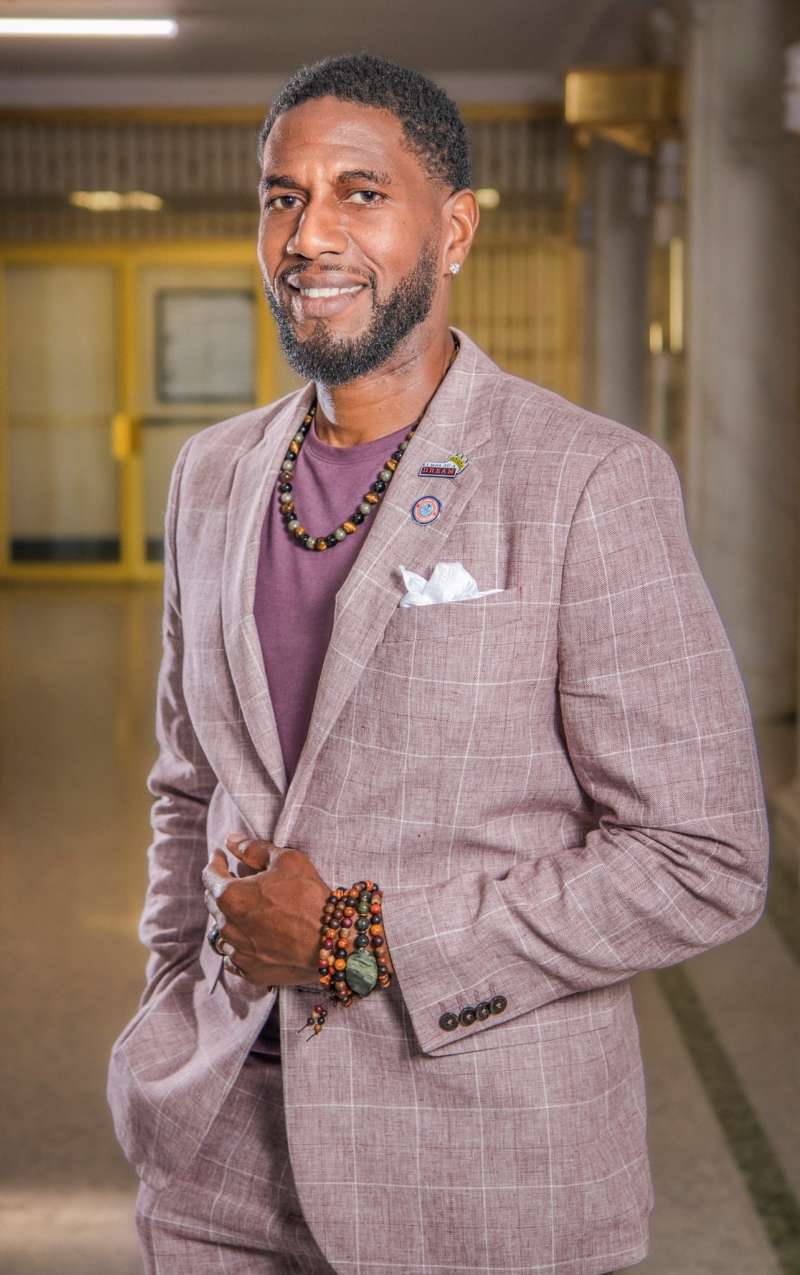
Featuring performances by Bill Murray (Lost in Translation), Frances McDormand (Nomadland), Jeffrey Wright (Westworld), Frankie Faison(The Wire), David Strathairn (Good Night, and Good Luck), Marjolaine Goldsmith (Company Manager of Theater of War Productions), and Jumaane Williams (New York City Public Advocate), and a Chorus of Nobel Prize-winning scientists, including Elizabeth Blackburn and Harold Varmus.
Translated, directed, and facilitated by Bryan Doerries.
Support for our digital programming is provided, in part, by The Andrew W. Mellon Foundation.
We are very pleased to be able to offer the Nobel Prize Summit audiences this special opportunity to attend a performance hosted by Theater of War Productions in the Digital Amphitheater. The topics we are broaching as part of our Summit are scientifically complex, often emotionally difficult, and even potentially contentious as we acknowledge different points of view. Performance and storytelling provide a critical common ground and a shared language to discuss important topics in new ways.

About the play
-
Oedipus the King by Sophocles
Sophocles’ Oedipus the King tells the story of an overconfident ruler during the time of a great plague, who refuses to listen to trusted advisors, ignores prophecy, and—after launching an investigation—discovers that he is the source of the contagion that is ravaging his people and his land. Upon uncovering the truth about himself and his role in the disaster, the king loses nearly everything—his crown, his wife, his power, his country, his honor—and wanders off into exile, a fate worse than death in ancient Greece. Oedipus the King is a timeless story about leadership, accountability, and the challenges faced by citizens and elected officials during pandemics and plagues.
Cast Members
-

Bill Murray
-
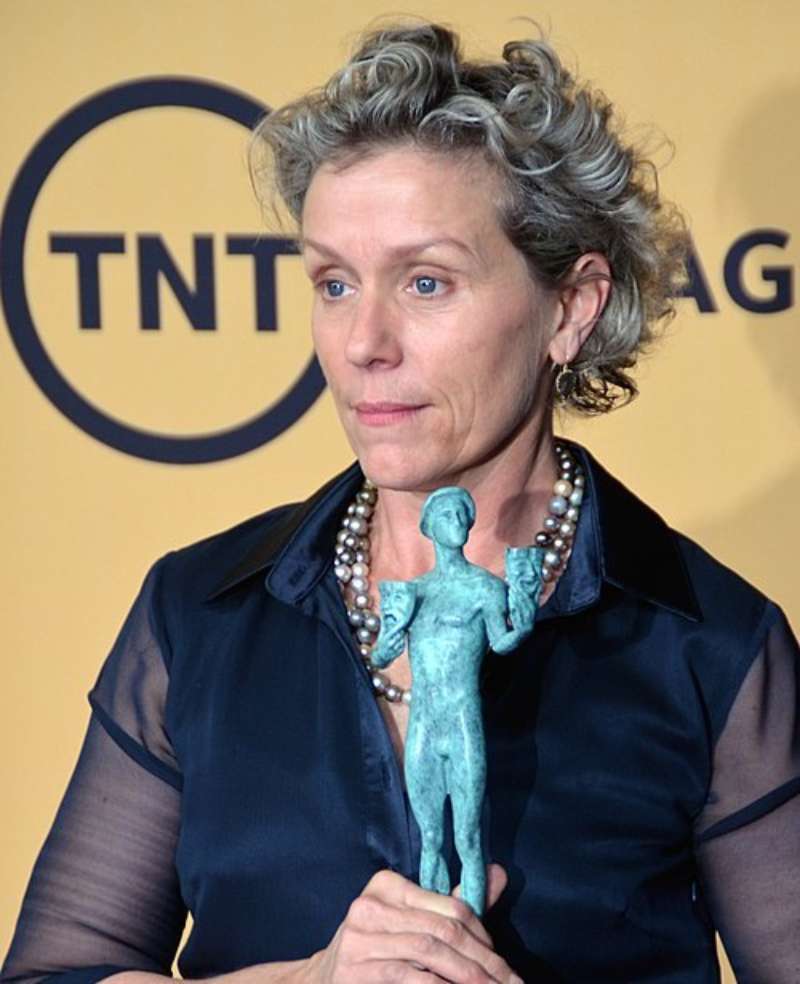
Frances McDormand
-

Corey Hawkins
-
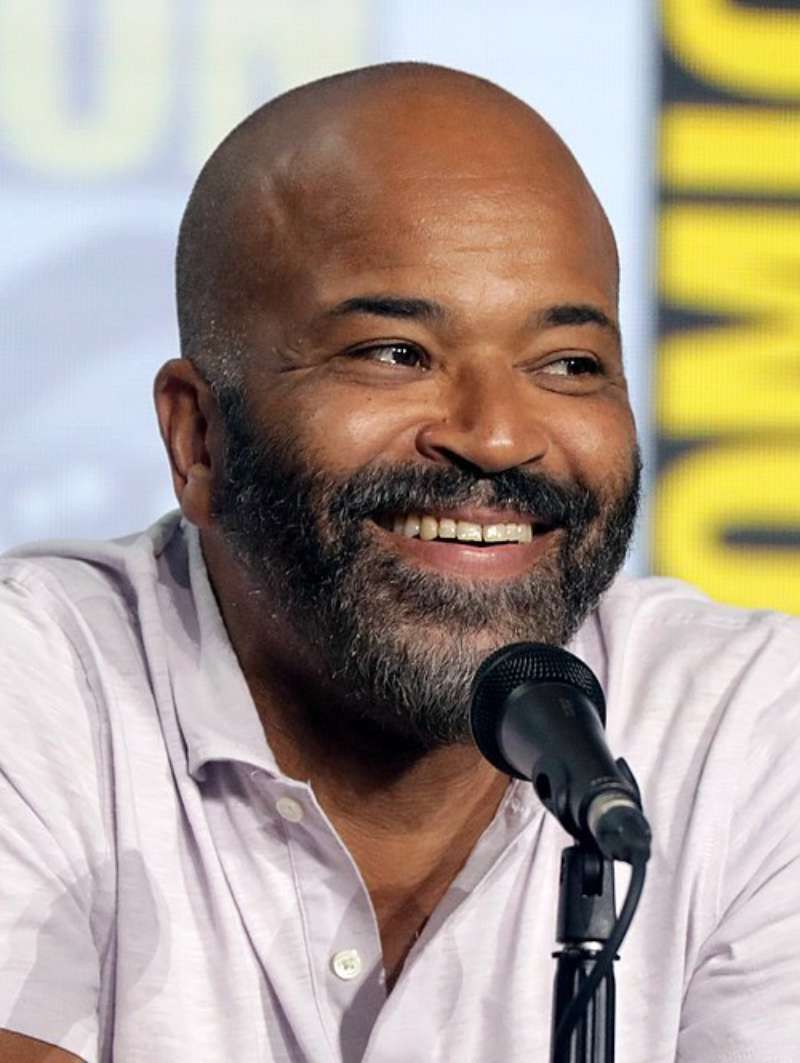
Jeffrey Wright
-

Marjolaine Goldsmith
-
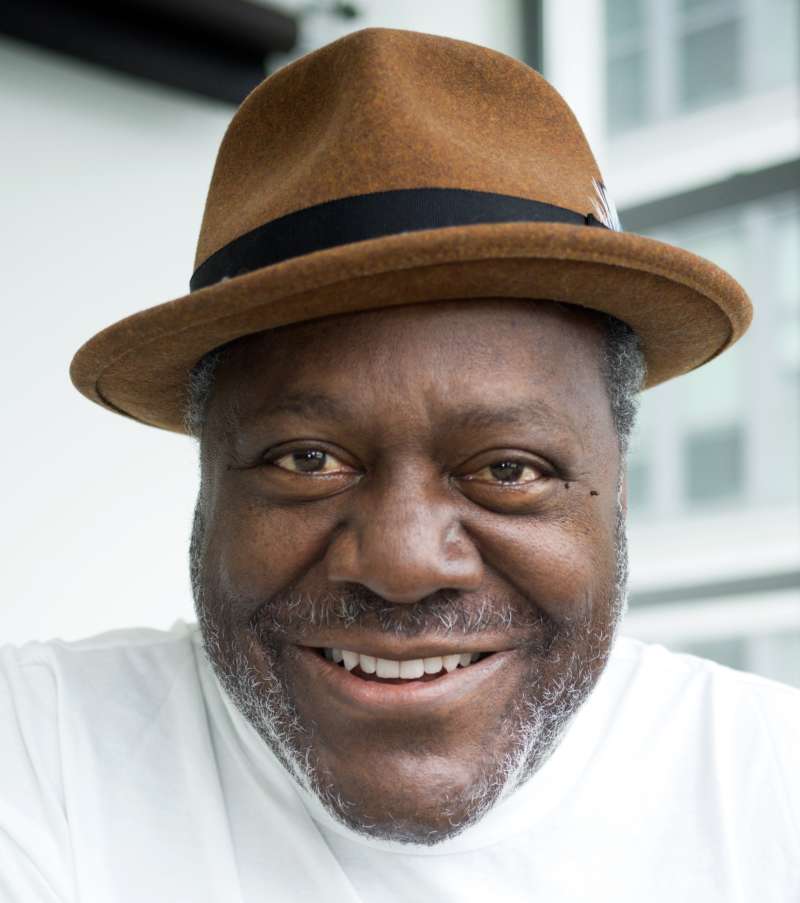
Frankie Faison
-
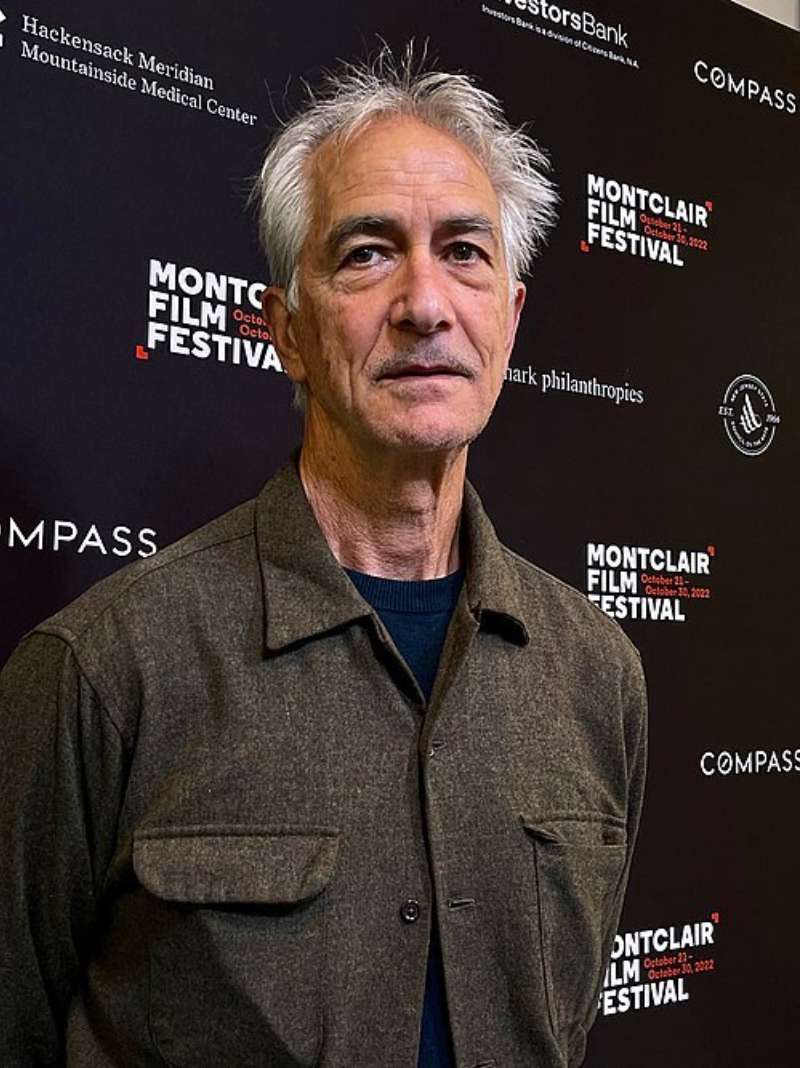
David Strathairn
-
Jumaane Williams
-

Harold Varmus
-

Elizabeth H. Blackburn
Explore Projects
-
 Pandemic & Climate CrisisThe Oedipus Project
The Oedipus Project presents acclaimed actors reading scenes from Sophocles’ Oedipus the King as a catalyst for powerful, constructive, global discussions about the climate crisis, ecological disaster, ethical leadership, and environmental justice. Sophocles’ ancient play, first performed in 429 BC, just after the first wave of a plague that killed nearly one-third of the Athenian population, is a story of arrogant leadership, ignored prophecy, intergenerational curses, and a pestilence and ecological collapse that ravages the archaic city of Thebes. Seen through this lens, Oedipus the King appears to have been a powerful tool for helping Athenians communalize trauma and loss, while interrogating their own complicit role in the suffering, not just of those around them but of generations to come.
-
 Caregiving & DeathTheater of War Frontline
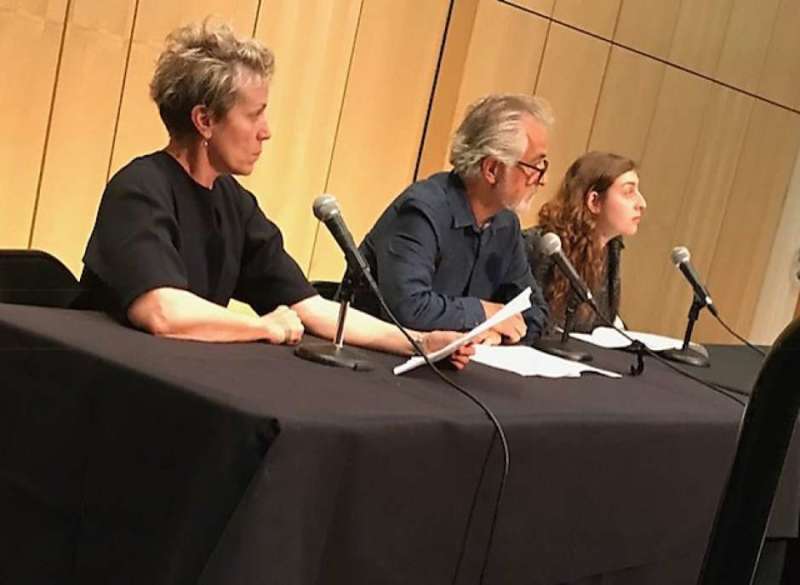
Theater of War Frontline is an innovative project—developed by Theater of War Productions, the Johns Hopkins Berman Institute of Bioethics and the Johns Hopkins Program in Arts, Humanities & Health—that presents dramatic readings by acclaimed actors of scenes from ancient Greek plays for audiences of frontline medical professionals to open up powerful dialogue about difficult subjects, fostering a sense of connection and promoting health-seeking behavior. By presenting ancient plays to doctors, nurses, EMTs, respiratory therapists, and the frontline community about emotionally-charged, ethically complex situations, Theater of War Frontline aims to create a brave space for open, candid dialogue and reflection, fostering compassion, a renewed sense of community, and positive action.
-
 Pandemic & Climate CrisisAn Enemy of The People
An Enemy of the People presents acclaimed actors, public health leaders, scientists, journalists, elected officials, and local community members performing dramatic readings of scenes from Henrik Ibsen’s 1882 play An Enemy of the People to help frame powerful, guided audience discussions aimed at generating connection, understanding, compassion, moral repair, and much-needed healing. The play tells the story of a doctor who discovers the water supply in his small, rural town has been poisoned by a tannery. Despite his efforts to convey the truth to the public, the doctor fails to save his community from environmental disaster and is ultimately scapegoated for his whistleblowing. An Enemy of the People was first performed in Norway in 1882, and yet it speaks to the present moment as if it were written for our times — to the corrosive influence of power and money in politics, the distortions of the media, and the many other challenges to public health in our culture today, especially during times of crisis.