Open to Public / New York City Public Artist In Residence
The Dionysus Project: Euripides' Bacchae, WNYC
Free Event
Wed, Apr 11.2018
About the play
-
The Bacchae by Euripides
First produced in 405 BC, Euripides' Bacchae tells the ancient story of the arrival of Dionysus, the god of wine and intoxication, in Greece. When Dionysus comes to the city of Thebes, he liberates the people from their homes, sending the citizens - dancing and drinking - into the hills. A young king, named Pentheus, tries to subdue the revelry and restore order to his city, waging an all-out war against the god. But when Pentheus first tastes the drug that has ravaged his city, he too succumbs to its power and is murdered by his own mother, in a deranged state of intoxication.
Explore Projects
-
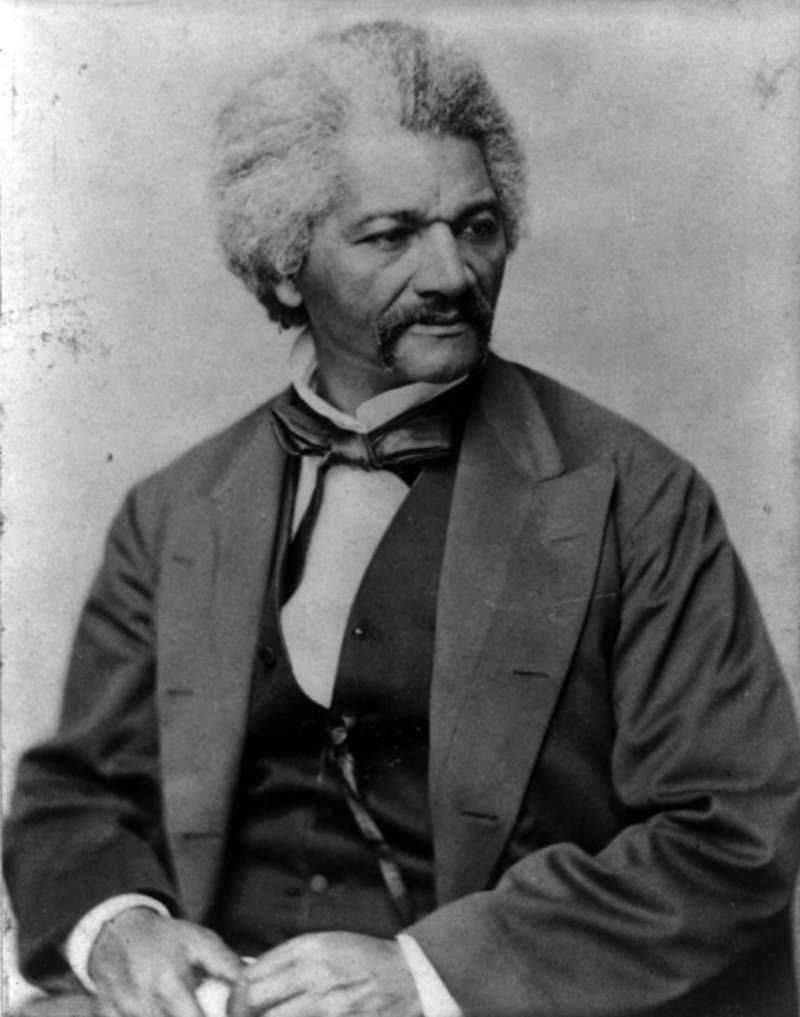 RacismFrederick Douglass
Frederick Douglass is a project that presents dramatic readings of Douglass' speeches by professional actors as a catalyst for powerful dialogue about racism, inequality, civil rights, education, and the legal system with the objective of fostering compassion, understanding, and positive action.
-
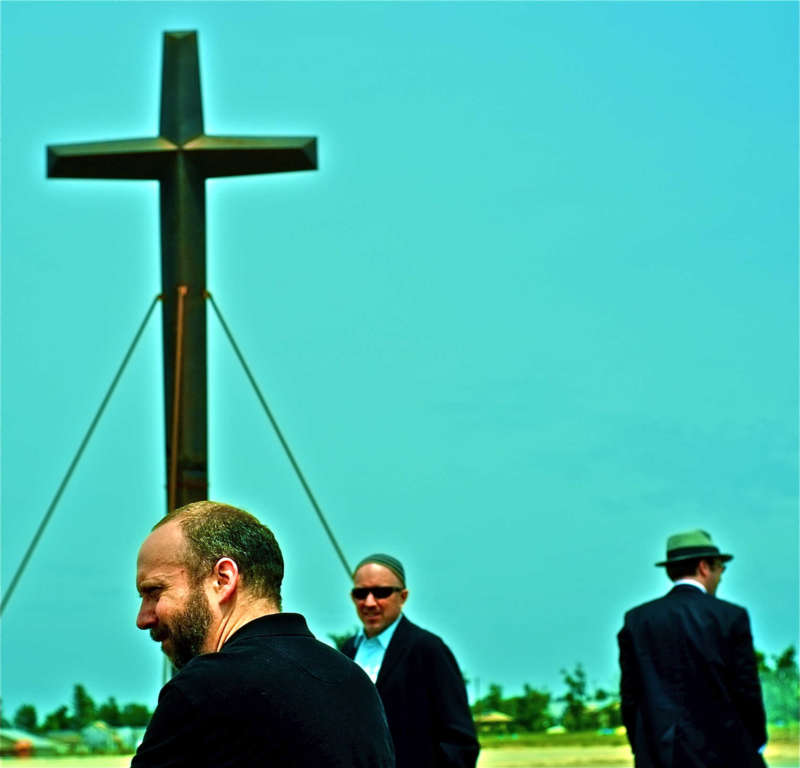 Natural DisasterBook of Job
The Book of Job Project presents dramatic readings by acclaimed actors of The Book of Job as a catalyst for powerful, guided conversations about the impact of natural and manmade disasters upon individuals, families, and communities.
-
 HomelessnessThe Oedipus at Colonus Project
The Oedipus at Colonus Project presents readings of scenes from Sophocles’ final play, Oedipus at Colonus, as catalyst for powerful, community-driven conversations about homelessness, the immigration and refugee crisis, and the challenges of eldercare during and after the pandemic.