Invitation Only
Rum and Vodka: United States Air Force Academy
This event has ended.
View upcoming events.
Sat, Jan 11.2025
About the play
-
Rum and Vodka by Conor Mcpherson
Rum and Vodka tells the story of a 24-year-old man living in Dublin, whose life is falling apart, in large part due to his drinking. But drinking, he believes, is the only way he can cope with his shame, anger, and an overwhelming feeling of being trapped in a life he did not choose for himself. The story follows the young man on a three-day bender, during which time he loses his job, cheats on his wife, and nearly destroys his family.
Cast Members
-
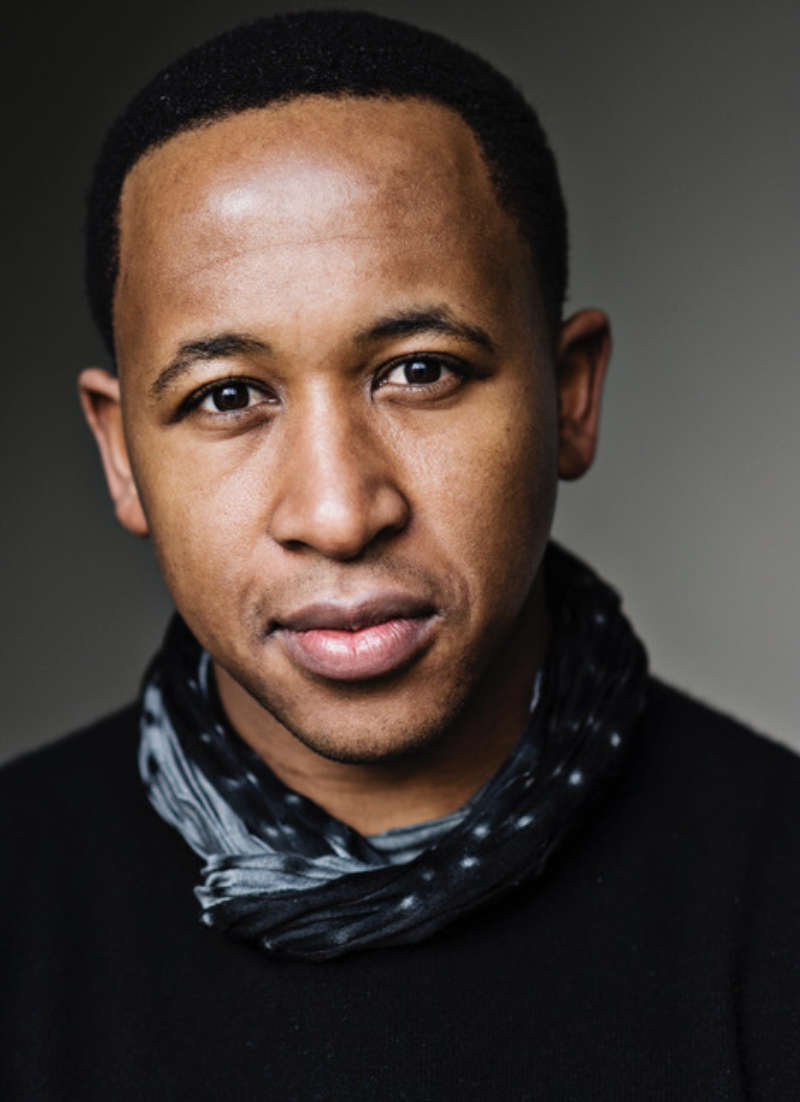
Nyasha Hatendi
Explore Projects
-
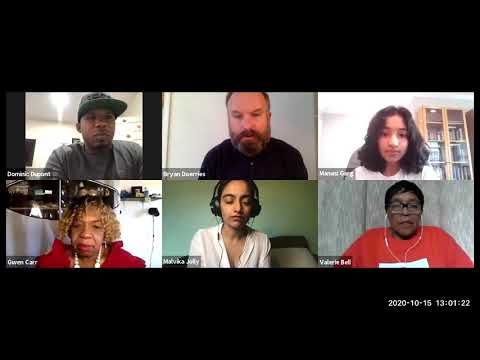 RacismMothers of The Movement
A conversation with Gwen Carr—mother of Eric Garner, author of This Stops Today—and Valerie Bell—mother of Sean Bell, author of Just 23—about their tireless work as Mothers of the Movement to end police violence.
-
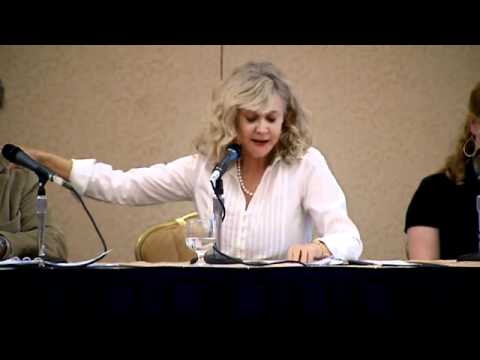 Addiction & Substance AbuseAddiction Performance Project
Designed to raise awareness about opiate addiction and alcohol abuse, the project is intended to promote dialogue about helping those who are struggling with addiction.
-
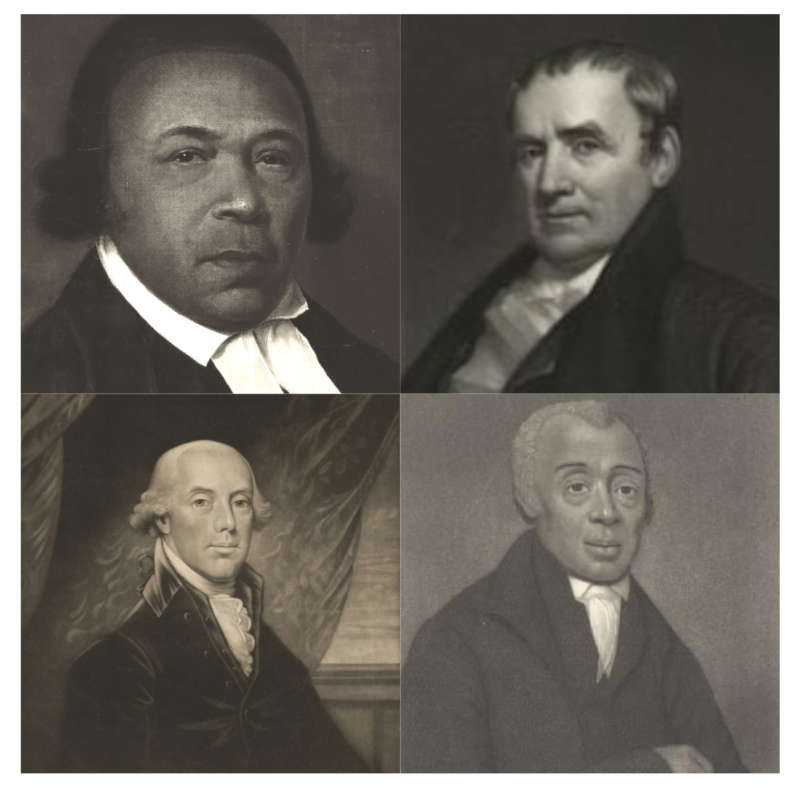 RacismA REFUTATION
A REFUTATION presents dramatic readings by acclaimed actors of excerpts from two conflicting historic accounts of Philadelphia’s 1793 yellow fever epidemic as a catalyst for guided audience discussions about health inequities in America today, grounded in the perspectives of nurses, caregivers, and first responders.