Open to Public / New York City Public Artist In Residence
Hercules in Riverdale
Sun, Mar 11.2018
About the play
-
Madness of Hercules by Euripides
When the Greek hero Hercules returns to Thebes and finds his home occupied by a local tyrant, he goes on a rampage with his invincible bow, killing the men who have invaded his house and taken his family hostage. But in the heat of the battle, Hercules enters into a berserk rage and kills everyone in sight, including his wife and two young children, with his powerful weapon, mistaking them for enemies. When he comes back to his senses and takes in the horror of what he has done, Hercules contemplates suicide, but his close friend and fellow war veteran Theseus, stays by his side and offers unconditional support, encouraging him to share the burden of what he has done with his community. At its core, Euripides’ Madness of Hercules asks profound questions about how we should respond to unthinkable violence—as citizens, family members, friends, and neighbors—and how we can all work together to stop violence from occurring in our communities, before it’s too late.
Cast Members
-
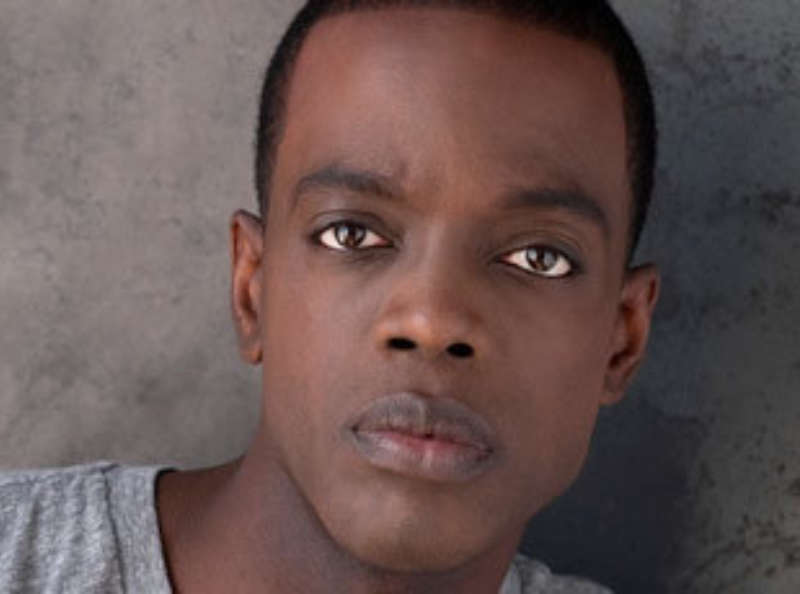
Ato Essandoh
-

Chinasa Ogbuagu
-
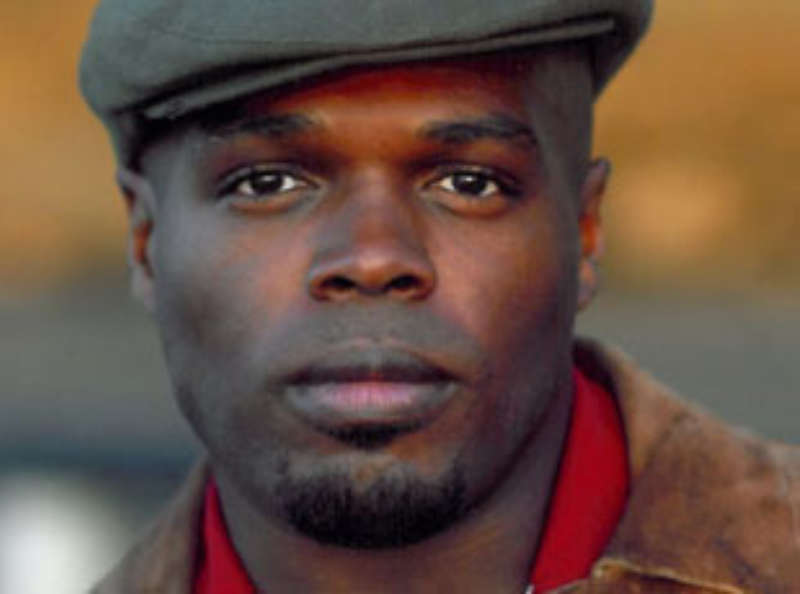
Ty Jones
-

Chris Henry Coffey
Explore Projects
-
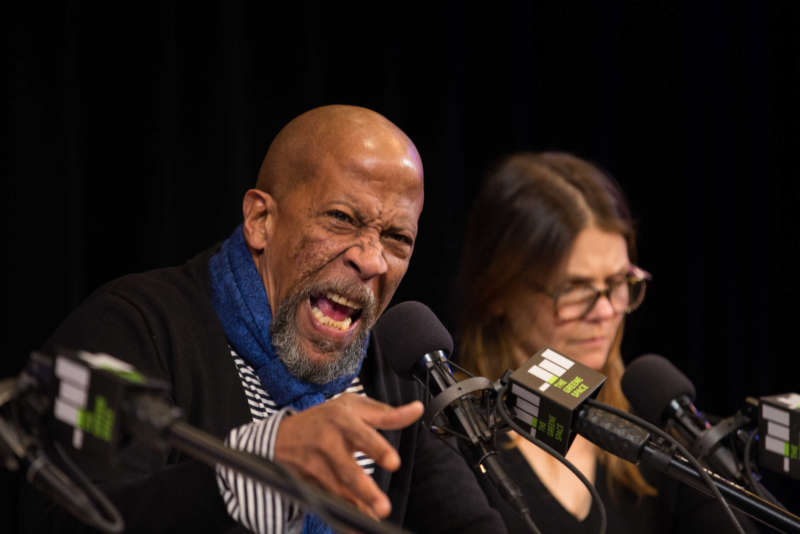 War & Mental HealthTheater of War
Rooted in discussions about the invisible and visible wounds of war, the company’s hallmark project is designed to increase awareness of psychological health issues, disseminate information on available resources, and foster greater community cohesion.
-
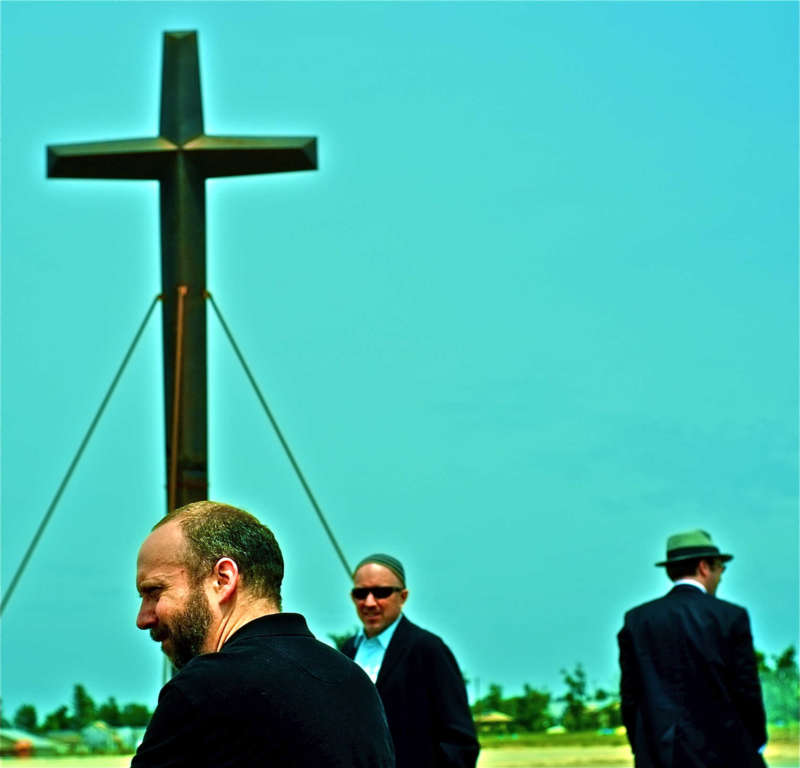 Natural DisasterBook of Job
The Book of Job Project presents dramatic readings by acclaimed actors of The Book of Job as a catalyst for powerful, guided conversations about the impact of natural and manmade disasters upon individuals, families, and communities.
-
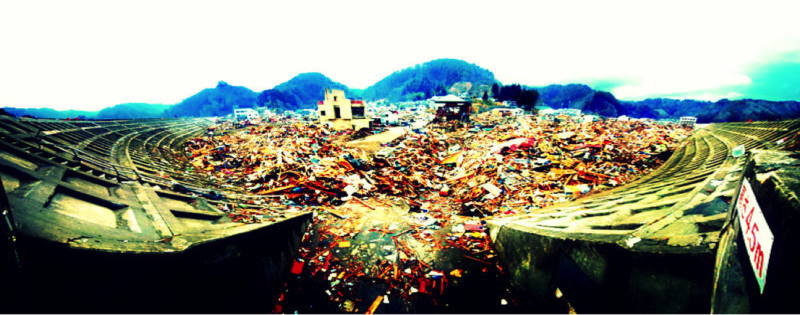 Natural DisasterThe Tohoku Project
The Tohoku Project: Sumidagawa presents powerful dramatic readings by professional actors of Sumidagawa, a Noh play from the early 15th Century that timelessly depicts the unique challenges faced by parents in the wake of unimaginable disaster. Each reading is followed by the responses of community panelists, culminating in a lively, facilitated audience discussion. This interactive event promotes healthy, constructive dialogue about the lasting impact of the Tohoku disaster upon individuals, families, and communities—fostering compassion, understanding, awareness, and positive action.