Open to Public
Domestic Violence Project / Gaylord Palms Resort
About the play
-
A Streetcar Named Desire by Tennessee Williams
The Domestic Violence Project presents scenes 3 and 4 from Tennessee Williams’ A Streetcar Named Desire, depicting the infamous poker night and its aftermath in Williams’ iconic American play: Stanley and the boys are up late playing poker in small apartment where he lives with his wife, Stella. When Stella and her sister Blanche arrive home, a violent altercation ensues, and when the drunken Stanley becomes violent, his friends are forced to pin him down while Stella retreats to a neighbor’s home. Stanley’s breaks down and begs Stella to come back to him, which she does. The next day Blanche confronts Stella over Stanley’s behavior and, much to her surprise, learns that Stella does not wish to leave Stanley.
Explore Projects
-
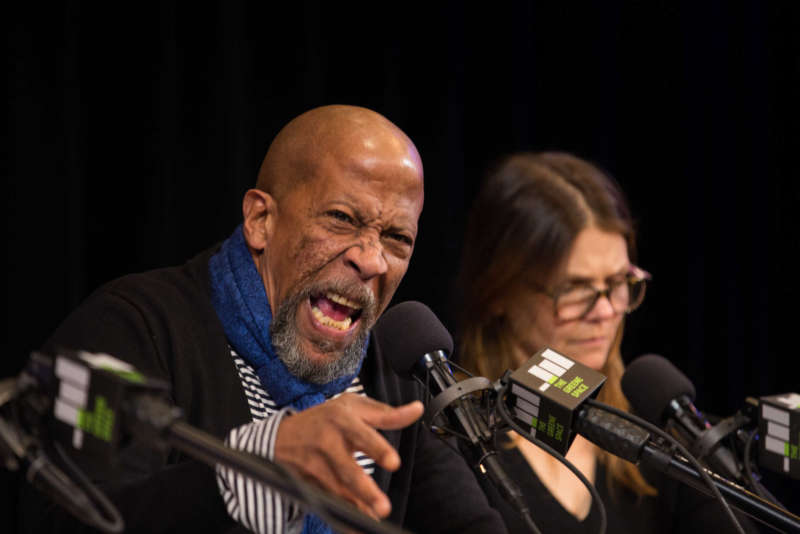 War & Mental HealthTheater of War
Rooted in discussions about the invisible and visible wounds of war, the company’s hallmark project is designed to increase awareness of psychological health issues, disseminate information on available resources, and foster greater community cohesion.
-
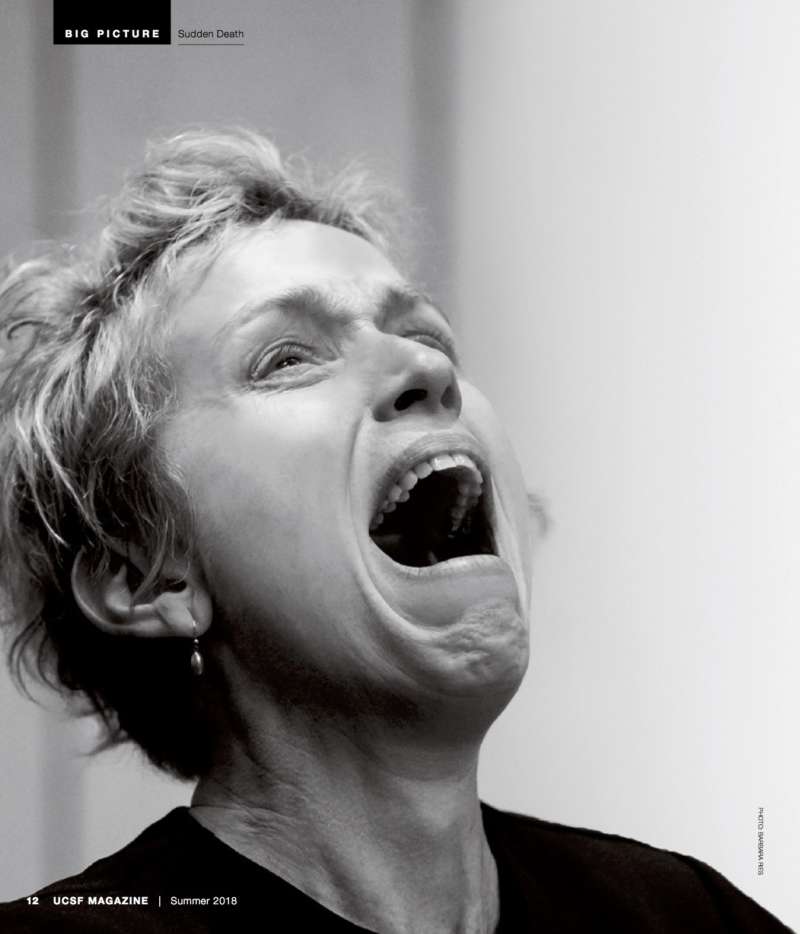 Caregiving & DeathEnd of Life
End of Life presents readings of ancient Greek plays in public settings and medical communities as a catalyst for facilitated discussions about challenges faced by patients, families, and health professionals today around end of life care. This unique, participatory event is intended to promote powerful, open discussion among diverse communities - public and professional - fostering compassion, cooperation, and understanding about living with chronic suffering and the mortality we all share.
-
 GenocideThe Investigation
Theater of War Productions and the Museum of Jewish Heritage, in partnership with the National Yiddish Theatre Folksbiene, present readings of scenes Peter Weiss' play The Investigation, a piece of documentary theater adapted from the Frankfurt Auschwitz Trials of 1963-1965. This project centers on guided discussions about mass murder and its lasting impact upon individuals, families, communities, and countries throughout the world. Performed by a diverse cast, including international performers from communities affected by genocide, The Investigation seeks to generate powerful dialogue across cultures and communities about the human capacity for evil, as well as the systems and hierarchies that create the conditions for unthinkable violence.