Open to Public
Domestic Violence / Maine Humanities Council
Wed, Apr 17.2013
About the play
-
A Streetcar Named Desire by Tennessee Williams
The Domestic Violence Project presents scenes 3 and 4 from Tennessee Williams’ A Streetcar Named Desire, depicting the infamous poker night and its aftermath in Williams’ iconic American play: Stanley and the boys are up late playing poker in small apartment where he lives with his wife, Stella. When Stella and her sister Blanche arrive home, a violent altercation ensues, and when the drunken Stanley becomes violent, his friends are forced to pin him down while Stella retreats to a neighbor’s home. Stanley’s breaks down and begs Stella to come back to him, which she does. The next day Blanche confronts Stella over Stanley’s behavior and, much to her surprise, learns that Stella does not wish to leave Stanley.
Explore Projects
-
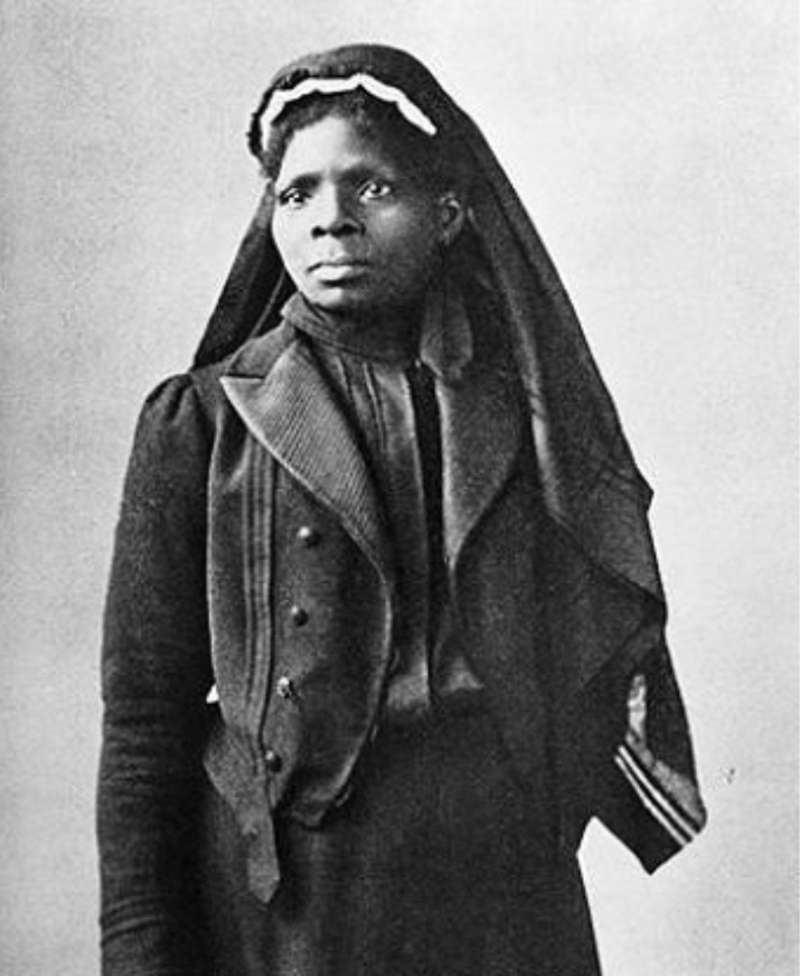 Caregiving & DeathThe Susie King Taylor Project
A dramatic reading of Susie King Taylor's memoir to help frame powerful, guided discussions about challenges faced by Nurses and Veterans.
-
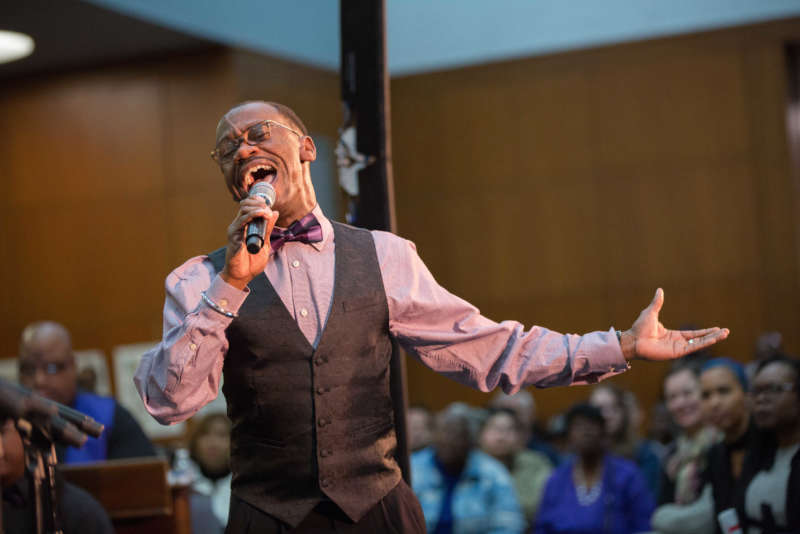 RacismThe Drum Major Instinct
Commissioned by BRIC, The Drum Major Instinct engages audiences in dialogue about racism and inequality. The performance features a dramatization of Dr. Martin Luther King Jr.’s final sermon, embodied by prominent actors and supported by a large gospel choir, composed of singers, activists, police officers, and musicians from St. Louis, MO, and Brooklyn, NY.
-
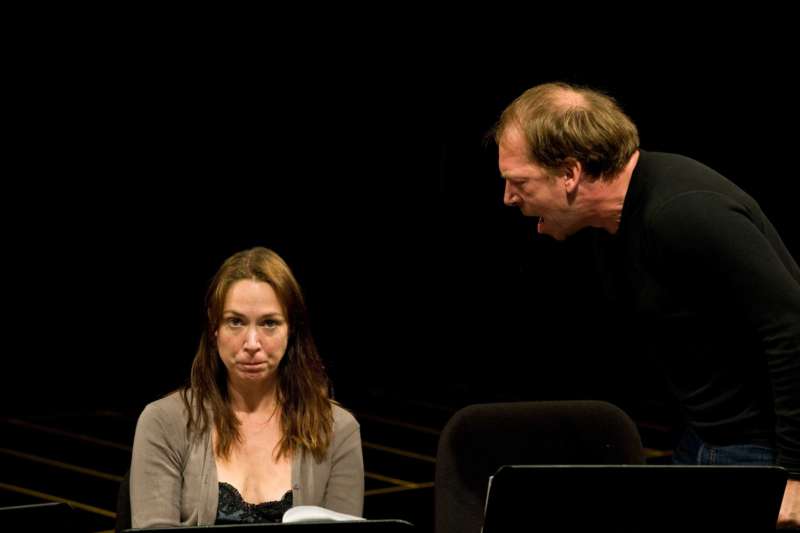 Domestic ViolenceMedea
Medea timelessly depicts how scorned passion can lead to revenge and, sometimes, unthinkable violence. This project, which premiered at the Brooklyn Academy of Music in June 2016, delves into under-discussed mental health issues that affect women and their families.