Open to Public
Antigone in Ferguson
Translated and Directed by Bryan Doerries
Music Composed By Phil Woodmore
About the play
-
Antigone by Sophocles
Sophocles’ Antigone is an ancient play about a teenage girl who wishes to bury her brother, Polyneices, who recently died in a brutal civil war. Creon, the new, untested king, has ruled that Polyneices’ body must remain above the earth, and that anyone who breaks this law will be put to death. Antigone openly and intentionally defies his edict, covering her brother’s body with dirt and publicly declaring her allegiance to a higher law, one that transcends that of the state—the law of love. Creon is then forced, by his own political rhetoric, and the by fragile social order that he has barely begun to establish since the civil war, to make an example of his niece, by sentencing her to death. In the process of following through with his own decree, Creon loses everything. At its core, Antigone is a play about what happens when personal conviction and state law clash, raising the question: When everyone is right (or feels justified), how do we avert the violence that will inevitably take place?
Explore Projects
-
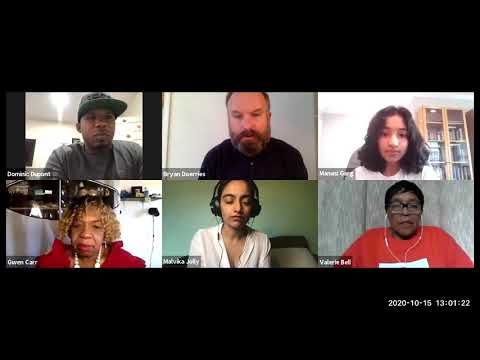 RacismMothers of The Movement
A conversation with Gwen Carr—mother of Eric Garner, author of This Stops Today—and Valerie Bell—mother of Sean Bell, author of Just 23—about their tireless work as Mothers of the Movement to end police violence.
-
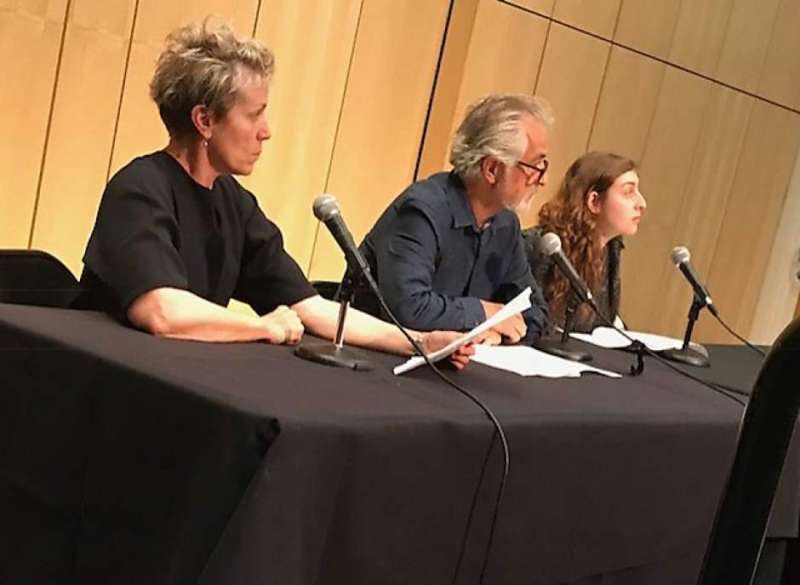 Caregiving & DeathTheater of War Frontline
Theater of War Frontline is an innovative project—developed by Theater of War Productions, the Johns Hopkins Berman Institute of Bioethics and the Johns Hopkins Program in Arts, Humanities & Health—that presents dramatic readings by acclaimed actors of scenes from ancient Greek plays for audiences of frontline medical professionals to open up powerful dialogue about difficult subjects, fostering a sense of connection and promoting health-seeking behavior. By presenting ancient plays to doctors, nurses, EMTs, respiratory therapists, and the frontline community about emotionally-charged, ethically complex situations, Theater of War Frontline aims to create a brave space for open, candid dialogue and reflection, fostering compassion, a renewed sense of community, and positive action.
-
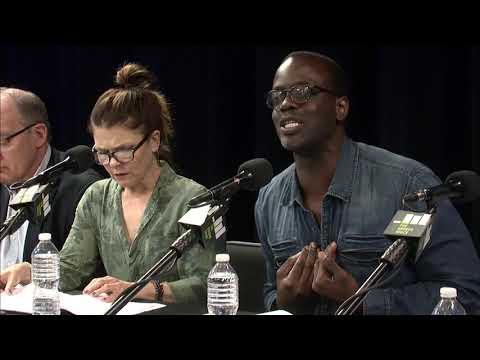 IncarcerationPrometheus in Prison
Prometheus in Prison is an innovative public health project that presents readings of Aeschylus’ Prometheus Bound, an ancient Greek play about god who is imprisoned for stealing fire and giving it to humans, as a catalyst for powerful discussions about the challenges faced by individuals, families, and communities whose lives have been touched by the criminal justice system. For the past decade years, this groundbreaking project has been used to open up healing dialogue in a variety of settings, including prisons, detention centers, and public venues throughout the country and the world.