Open to Public
Theater of War - On the Radio
Thu, Feb 19.2026
On the Radio!

This Thursday night at 8pm EST, we are joining forces again with WNYC to present a new, live show: Theater of War - On the Radio. Actors Julianne Moore, Sam Waterston and Daphne Rubin-Vega will be performing two pieces on the air: an article entitled “ICE’s Assault on a Minnesota School District,” written by Jessica Winter for The New Yorker, and Judge Fred Biery’s recent judicial opinion ordering the the immediate release of five-year-old Liam Ramos and his father from a detention facility in Texas. These texts will start a conversation with live call-in radio listeners about ICE and its impact on our schools and our children.
Tune in on Thursday, February 19, at 8pm EST on WNYC 93.9 FM or on WNYC.org to catch the live broadcast!
Cast Members
-
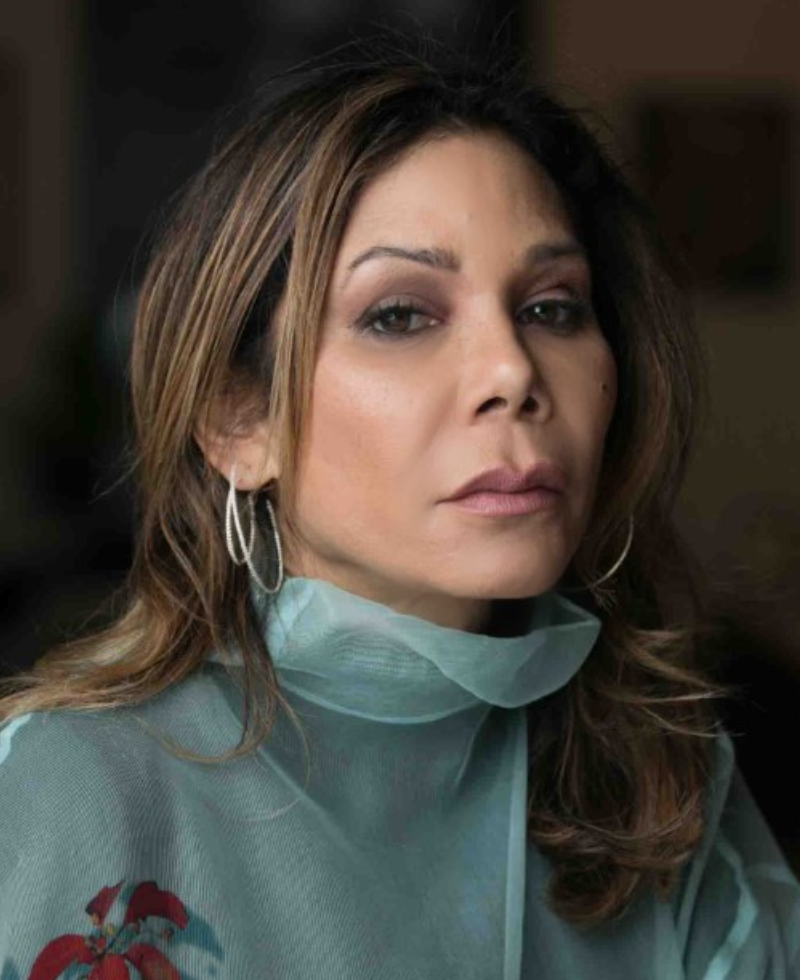
Daphne Rubin-Vega
-

Sam Waterston
-

Julianne Moore
Explore Projects
-
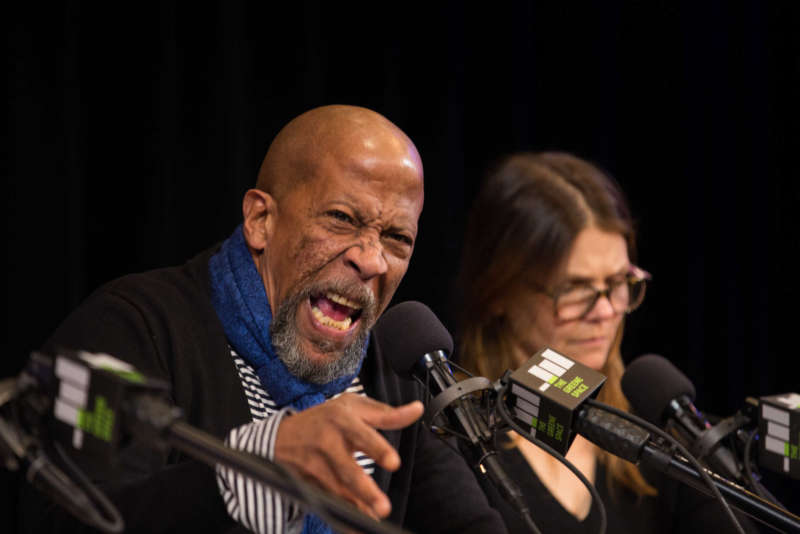 War & Mental HealthTheater of War
Rooted in discussions about the invisible and visible wounds of war, the company’s hallmark project is designed to increase awareness of psychological health issues, disseminate information on available resources, and foster greater community cohesion.
-
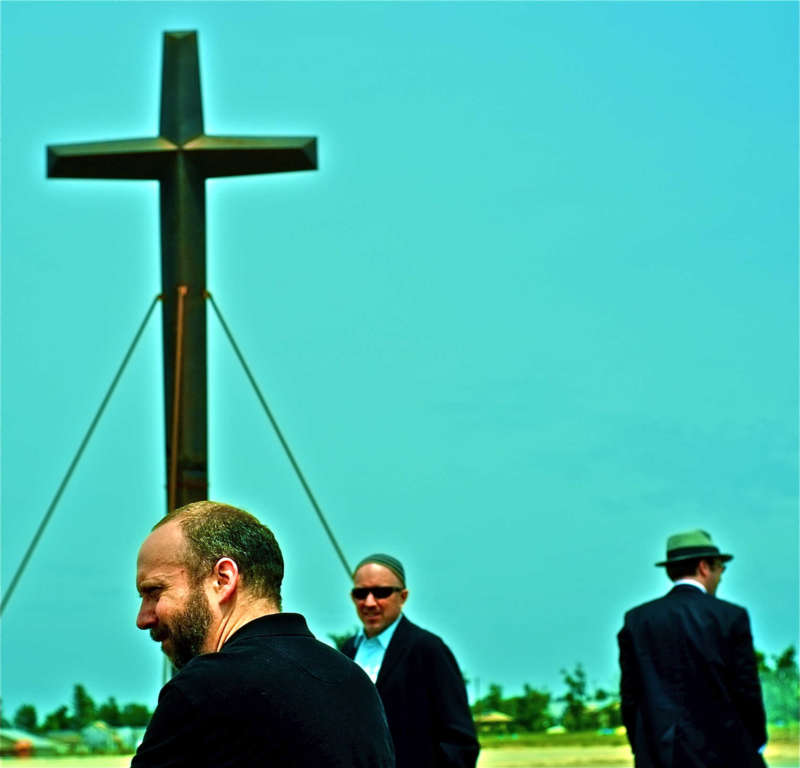 Natural DisasterBook of Job
The Book of Job Project presents dramatic readings by acclaimed actors of The Book of Job as a catalyst for powerful, guided conversations about the impact of natural and manmade disasters upon individuals, families, and communities.
-
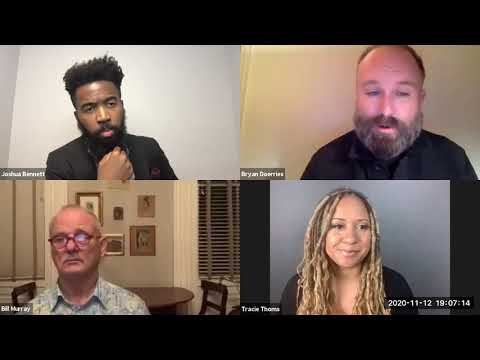 Pandemic & Climate CrisisPoetry for the Pandemic
Using poetry as a catalyst for an Intergenerational performance and discussion during the Covid-19 pandemic.