Invitation Only
Theater of War: Hector, Andromache, and the Death of Astyanax at Villanova
Translated, directed, and facilitated Bryan Doerries
This event has ended.
View upcoming events.
Theater of War: Hector, Andromache, and the Death of Astyanax presents live, dramatic readings of selections from Homer’s Iliad, Book VI and scenes from The Trojan Women by Euripides—featuring acclaimed actors and a Chorus of Villanova students, from a variety of backgrounds, whose lives have been impacted by war—to help frame powerful, healing dialogue about the human cost of war, centered on the suffering of children and civilians.
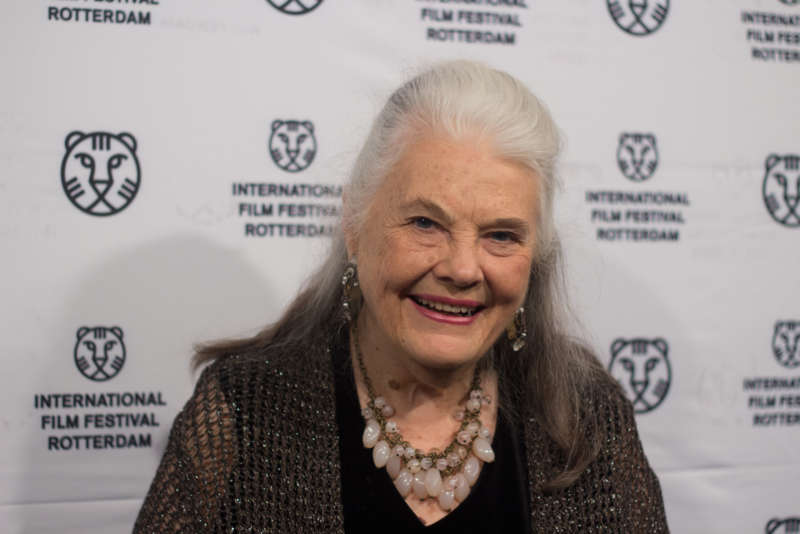
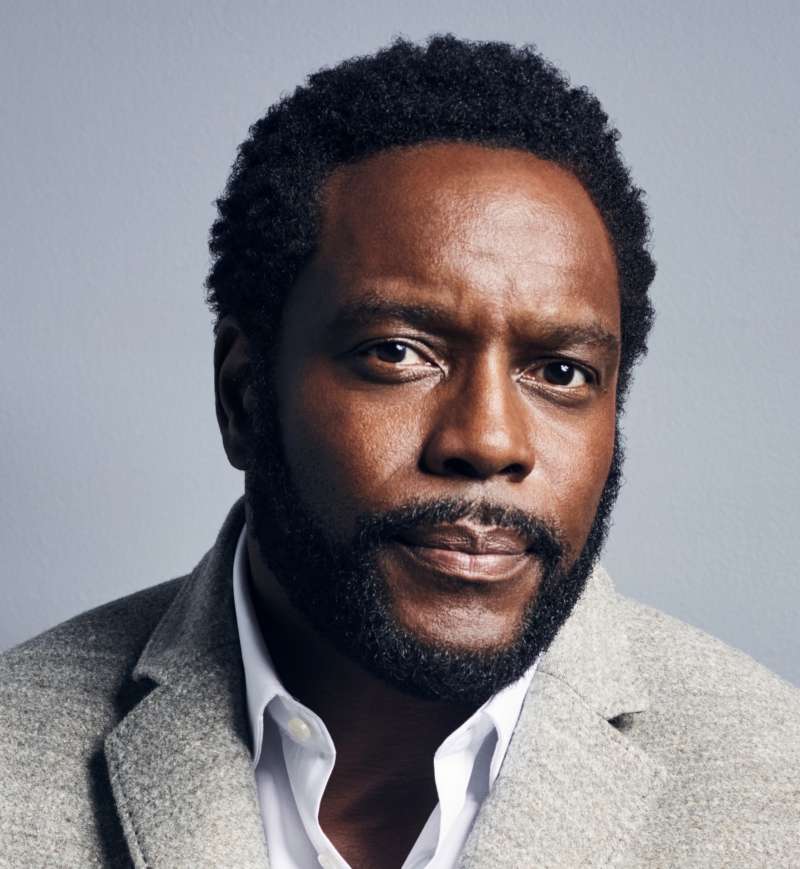
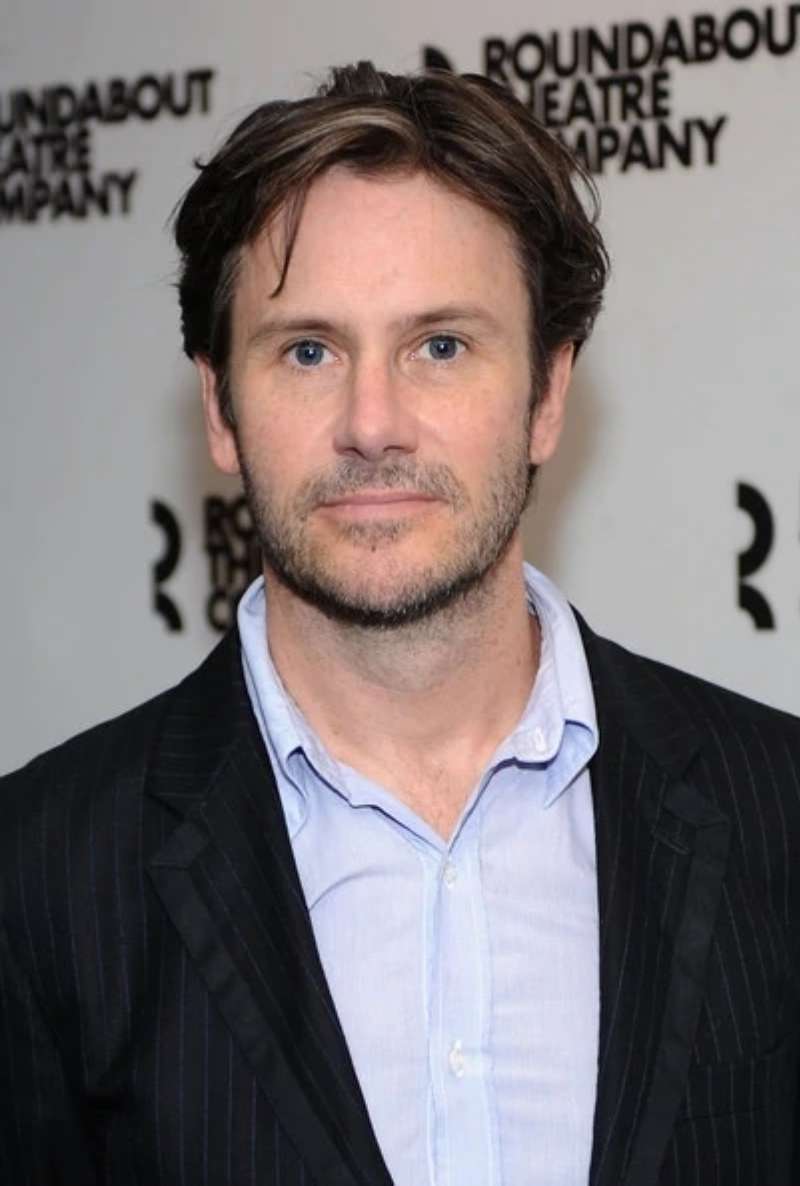
Featuring performances by Chad Coleman (The Wire, The Walking Dead), Lois Smith (East of Eden, The French Dispatch), Josh Hamilton (Eighth Grade, The Walking Dead), and Marjolaine Goldsmith (Company Manager, Theater of War Productions).
Translated, directed, and facilitated by Bryan Doerries.
Co-presented by Theater of War Productions and Villanova University.
About the play
-
The Trojan Women by Euripides
The selected scenes from Euripides’ Trojan Women take place at the end of the Trojan War, after Hector has been slain and Troy has been destroyed. Andromache and her son Astyanax are led through the ruins of the city on a wagon with Hector’s helmet and amour piled next to them. Andromache is being taken away by Achilles’ son Neoptolemus to live as his concubine and slave. The women of Troy, who have all lost their husbands in battle, mourn Andromache’s fate, as well as their own. Suddenly, a herald arrives and announces that the Greek army has decided to execute Astyanax by throwing him off the Trojan towers to prevent him from one day avenging his father’s death. Andromache says goodbye to her son before he is taken away and executed by Odysseus and she is taken from Troy on Neoptolemus’ ship. In the final scene, Astyanax’ body is brought to his grandmother Hecuba, the Queen of Troy, and the play ends with a funeral procession in which Astyanax is buried on his father’s shield while the remains of Troy are burned to ashes.
Cast Members
-
Lois Smith
-
Chad Coleman
-
Josh Hamilton
-

Marjolaine Goldsmith
Event Partner

Explore Projects
-
 RacismThe Drum Major Instinct
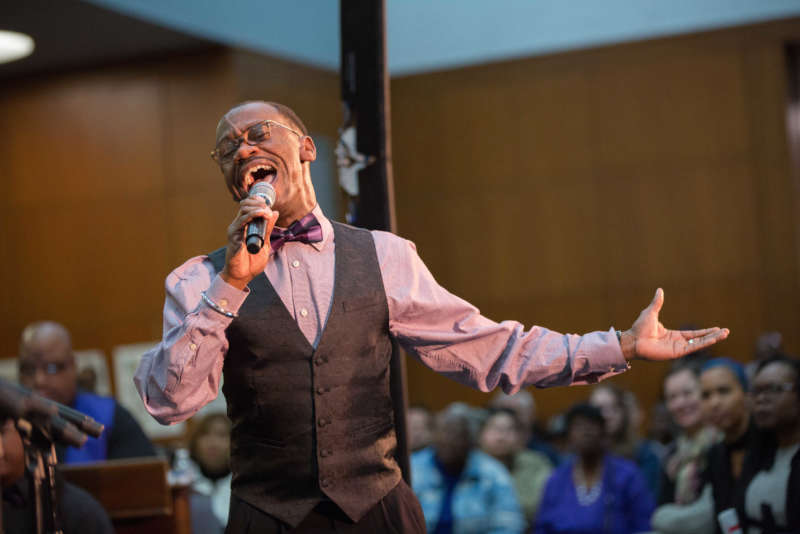
Commissioned by BRIC, The Drum Major Instinct engages audiences in dialogue about racism and inequality. The performance features a dramatization of Dr. Martin Luther King Jr.’s final sermon, embodied by prominent actors and supported by a large gospel choir, composed of singers, activists, police officers, and musicians from St. Louis, MO, and Brooklyn, NY.
-
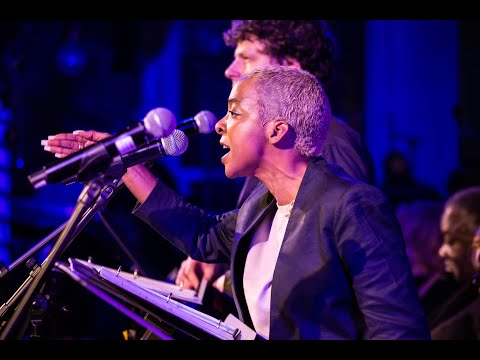 RacismAntigone in Savannah
Dramatic readings of Sophocles’ Antigone with live music to frame powerful dialogue about honoring the dead and healing historical wounds.
-
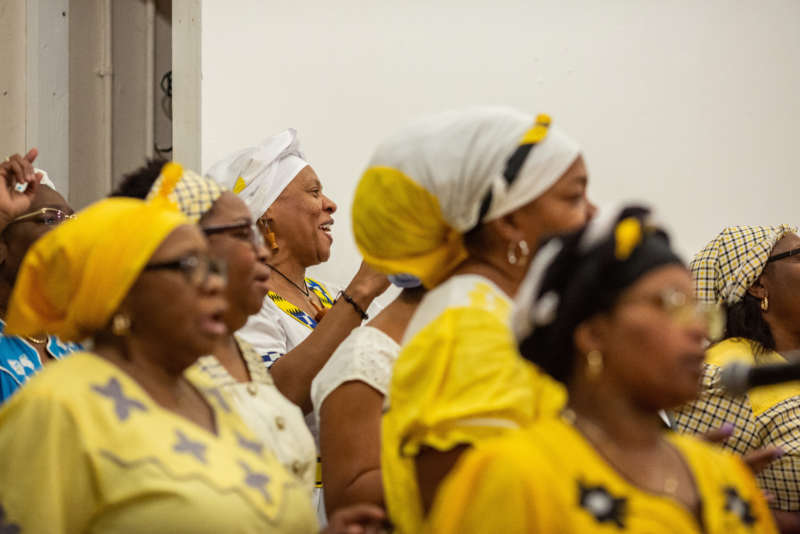 Refugees & ImmigrationThe Suppliants Project
The Suppliants Project tells the timeless story of fifty female refugees seeking asylum at a border from forced marriage and domestic violence. The play not only depicts the struggle of these women to cross into safety, but also the internal struggle within the city that ultimately receives them. Using a 2,500-year-old tragedy by Aeschylus as a catalyst for powerful gatherings and crucial conversations, The Suppliants Project engages diverse audiences in humanizing, constructive dialogue about the challenges and impact of war, migration, and seeking asylum.