Open to Public / New York City Public Artist In Residence
Domestic Violence Project: Streetcar Named Desire
Free Event
Thu, Mar 01.2018
About the play
-
A Streetcar Named Desire by Tennessee Williams
The Domestic Violence Project presents scenes 3 and 4 from Tennessee Williams’ A Streetcar Named Desire, depicting the infamous poker night and its aftermath in Williams’ iconic American play: Stanley and the boys are up late playing poker in small apartment where he lives with his wife, Stella. When Stella and her sister Blanche arrive home, a violent altercation ensues, and when the drunken Stanley becomes violent, his friends are forced to pin him down while Stella retreats to a neighbor’s home. Stanley’s breaks down and begs Stella to come back to him, which she does. The next day Blanche confronts Stella over Stanley’s behavior and, much to her surprise, learns that Stella does not wish to leave Stanley.
Cast Members
-

Chinasa Ogbuagu
-

Adepero Oduye
-

Ty Jones
-

Rich Orlow
Explore Projects
-
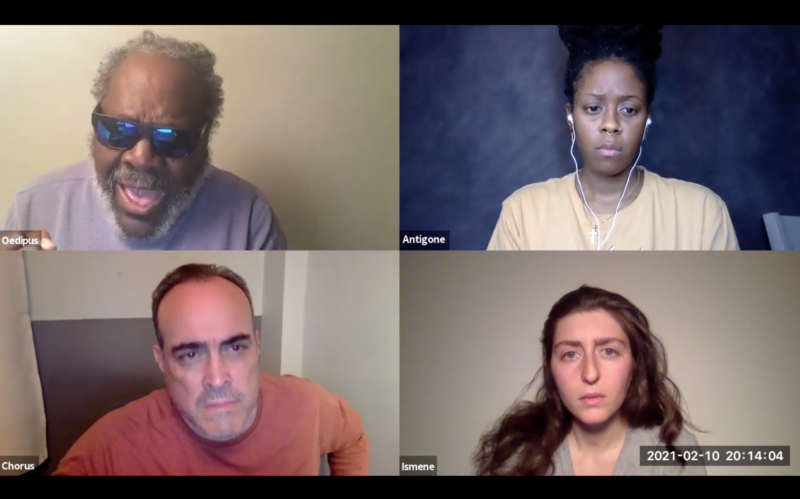 HomelessnessThe Oedipus at Colonus Project
The Oedipus at Colonus Project presents readings of scenes from Sophocles’ final play, Oedipus at Colonus, as catalyst for powerful, community-driven conversations about homelessness, the immigration and refugee crisis, and the challenges of eldercare during and after the pandemic.
-
 RacismMothers of The Movement
A conversation with Gwen Carr—mother of Eric Garner, author of This Stops Today—and Valerie Bell—mother of Sean Bell, author of Just 23—about their tireless work as Mothers of the Movement to end police violence.
-
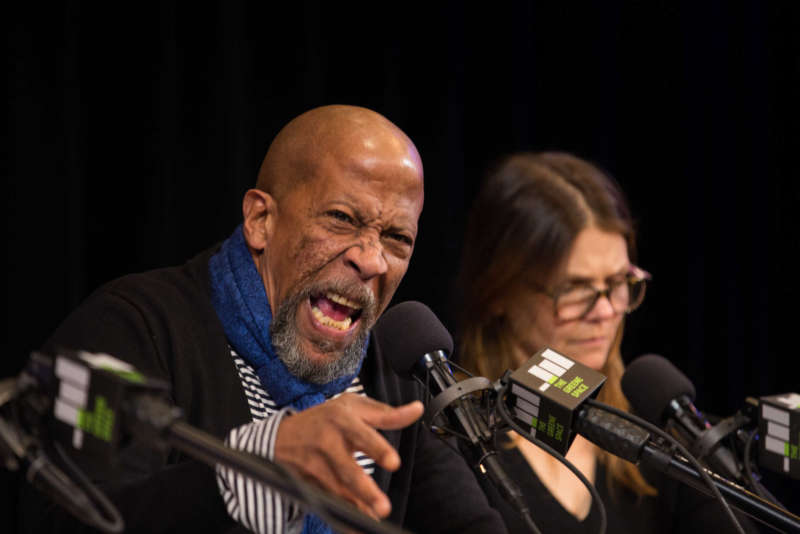 War & Mental HealthTheater of War
Rooted in discussions about the invisible and visible wounds of war, the company’s hallmark project is designed to increase awareness of psychological health issues, disseminate information on available resources, and foster greater community cohesion.