Open to Public
Domestic Violence / Maine Humanities Council
Thu, Apr 18.2013
About the play
-
A Streetcar Named Desire by Tennessee Williams
The Domestic Violence Project presents scenes 3 and 4 from Tennessee Williams’ A Streetcar Named Desire, depicting the infamous poker night and its aftermath in Williams’ iconic American play: Stanley and the boys are up late playing poker in small apartment where he lives with his wife, Stella. When Stella and her sister Blanche arrive home, a violent altercation ensues, and when the drunken Stanley becomes violent, his friends are forced to pin him down while Stella retreats to a neighbor’s home. Stanley’s breaks down and begs Stella to come back to him, which she does. The next day Blanche confronts Stella over Stanley’s behavior and, much to her surprise, learns that Stella does not wish to leave Stanley.
Explore Projects
-
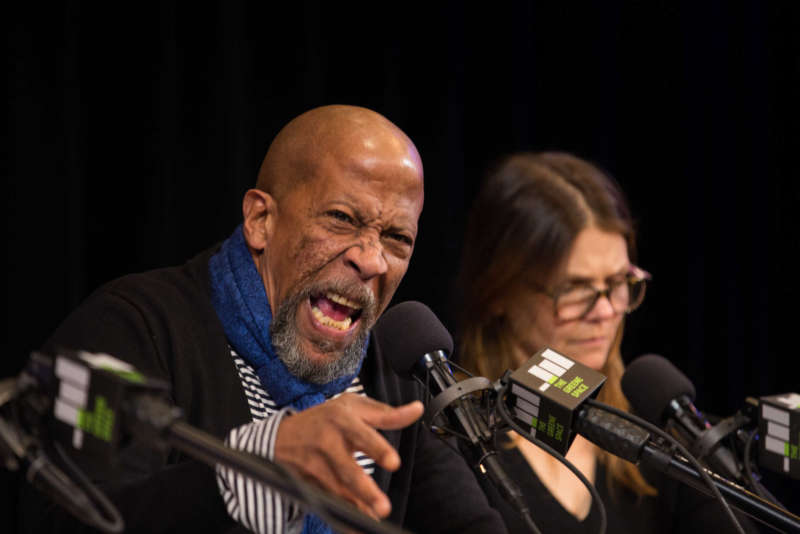 War & Mental HealthTheater of War
Rooted in discussions about the invisible and visible wounds of war, the company’s hallmark project is designed to increase awareness of psychological health issues, disseminate information on available resources, and foster greater community cohesion.
-
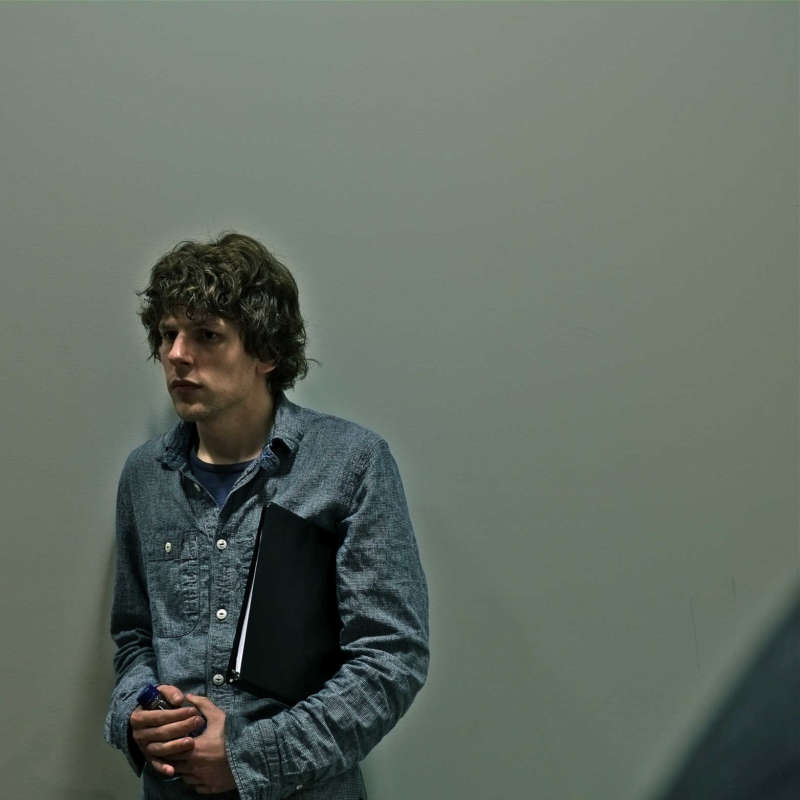 Addiction & Substance AbuseThe Dionysus Project
The Dionysus Project is an innovative public health project that presents readings of scenes from Euripides' Bacchae, an ancient Greek play about the destructive power of intoxication, as a catalyst for town hall discussions about the impact of substance abuse and addiction upon individuals, families, and communities. The project uses an ancient Greek tragedy, written nearly 2500 years ago, to engage audiences in crucial discussions about the timelessness of the human struggle with substance abuse and addiction, as well as resources and solutions that communities can utilize today.
-
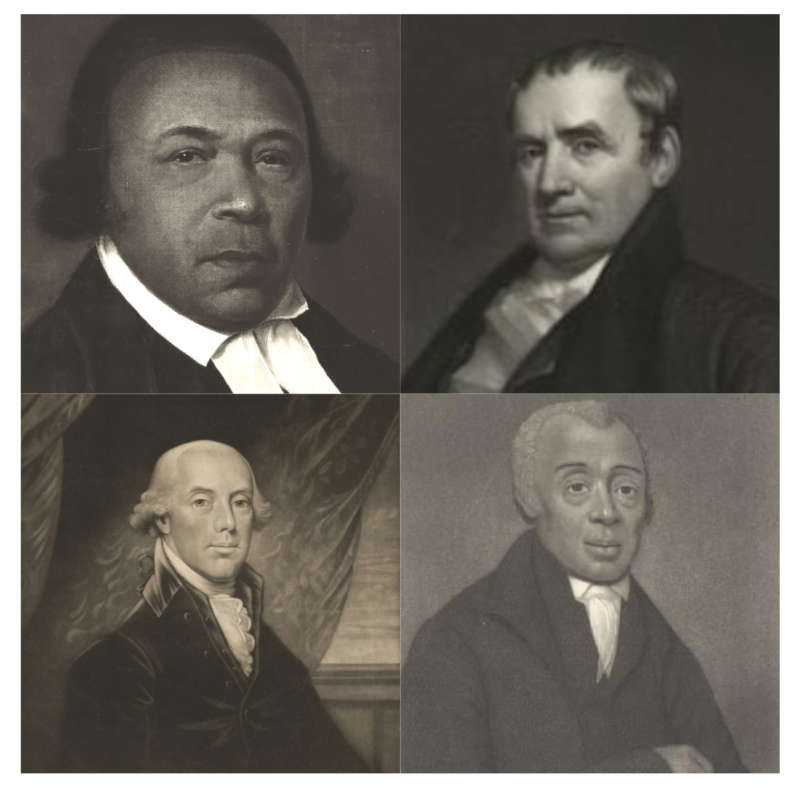 RacismA REFUTATION
A REFUTATION presents dramatic readings by acclaimed actors of excerpts from two conflicting historic accounts of Philadelphia’s 1793 yellow fever epidemic as a catalyst for guided audience discussions about health inequities in America today, grounded in the perspectives of nurses, caregivers, and first responders.